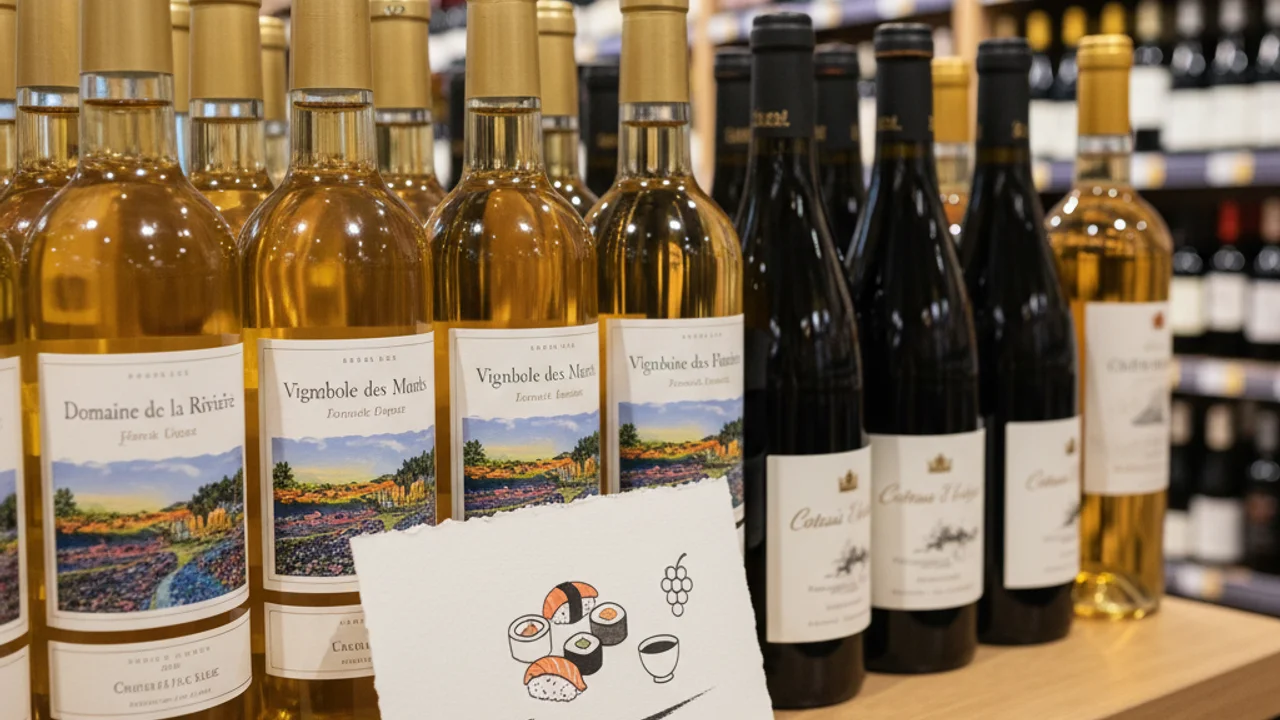
Bringing your own bottle to a restaurant is one of the most distinctive features of dining in Montréal. The tradition traces back to an era when alcohol permits were expensive and rare. Restaurants adapted by building tight, focused menus and intimate rooms. The result was a dining culture unlike anything else in North America: serious food, no wine markups, and guests who choose their own bottle with care. Japanese restaurants fit this model particularly well.
The AV Permit: the Legal Foundation
To legally allow guests to bring and consume their own alcohol, a restaurant must hold an AV permit, short for "apportez votre vin," issued by the Régie des alcools, des courses et des jeux du Québec (RACJ). Without this permit, a restaurant cannot lawfully let you open a bottle on the premises, regardless of what it advertises.
The permit is usually displayed near the entrance. If you see the AV certification posted, you're in the right place. If a restaurant calls itself BYOB without holding the permit, it is operating in a legal grey zone, and you should ask before bringing a bottle.
Corkage Fees
In Montréal, the vast majority of BYOB restaurants charge no corkage fee. This is part of the culture: the restaurant passes the savings on alcohol margins to the guest, keeping the room lively without the pressure of a wine list.
Some higher-end establishments charge a nominal fee, typically between $5 and $15 per bottle, to cover glassware, ice service, and the time involved in managing your bottle during the meal. When fees exist, they are typically communicated upfront, either posted on the menu or mentioned at the time of booking. If you want to avoid surprises, just ask when you reserve.
BYOB Etiquette
The freedom of BYOB comes with a few unwritten conventions that regulars follow naturally.
Chill your white wine before you arrive. A warm white takes 20 to 30 minutes in an ice bucket to reach serving temperature. Arriving with a properly chilled bottle means the first pour happens right when you sit down, not halfway through your first course. It is a small gesture that makes a real difference to the flow of the meal.
Bring your bottles in a discreet bag or insulated tote, and hand them to the staff when you arrive. Avoid placing bottles directly on the table before the team has indicated how they want to handle service. Let them lead.
Wine Pairing with Sushi: Combinations That WorkChablis, Champagne, Muscadet: which styles to choose depending on what you order.What legal document allows a Montréal restaurant to welcome guests who bring their own wine?
Quantity and Format Guidelines
The informal standard is one to two 750 ml bottles per person. For a couple sharing an omakase or tasting menu, a single bottle is almost always enough: portions are small, the pace is unhurried, and a lighter intake makes it easier to appreciate each piece the chef sets in front of you.
Magnums (1.5 L) are generally accepted, but let the restaurant know in advance: not every ice bucket accommodates a large format. Cans of craft beer and sake bottles are welcome at most BYOB establishments, but the specific rules vary, so confirm with your restaurant before you arrive.
BYOB vs. Restaurants With a Wine List: What to Pick
BYOB is not a lower-tier model, it is a parallel one. In a fully licensed restaurant, the sommelier picks the bottle with you, and the typical 200 to 300 percent markup over SAQ retail pays in part for that guidance. You get a guide for the evening and sometimes access to rare cuvées.
BYOB flips the logic. You pay retail and nothing more, and you keep full control of the pairing. It is great if you already know what you like, want to explore your own cellar, or have a tight budget. For a $100-per-person dinner with a wine list, expect at least $60 of wine. The same evening BYOB is $25 to $35 at SAQ for an equivalent bottle.
For sushi and Japanese cuisine specifically, BYOB often wins because the ideal pairings (Chablis, Muscadet, Albariño, dry Riesling, brut nature Champagne) start at $22 at SAQ and offer better price-to-quality than the average restaurant wine list.
BYOB at Aji Bar Sushi & Izakaya MTL
At Aji, located at 929 St-Zotique Est, BYOB is a core part of the experience. There is no corkage fee. The team handles temperature and pours. You are welcome to bring a dry white wine, a chilled sake, a light craft beer, or a brut Crémant.
Our one recommendation: choose something whose acidity works with raw fish. A tannic red or a heavily oaked white can overwhelm the delicate aromatics of nigiri and sashimi. If you are unsure what to bring, read our guide on wine pairings before heading to the SAQ.
What Wine to Bring to a Japanese RestaurantPractical advice on budget, style, and temperature for your next visit.Sake vs. White Wine with Sushi: Which Should You Choose?Sake has a natural cultural and chemical affinity with sushi. White wine works beautifully when the fish is rich or fatty. Both are valid: t- 1An AV permit from the RACJ is required for a restaurant to legally allow BYOB in Québec.
- 2Most BYOB restaurants in Montréal charge no corkage fee.
- 3Chill your white before you arrive: it is the most important unwritten rule.
- 4One bottle between two guests is enough for a tasting menu or omakase.
- 5At Aji, wine, sake, and craft beer are welcome with no extra charge.
BYOB is not just a way to save money on the bottle. It is an invitation to choose with care, to make that choice part of the meal itself. At Aji, we appreciate guests who bring something as considered as what we put on the plate.
Reserve your seat at the counter and bring the bottle that inspires you.
Make a reservation