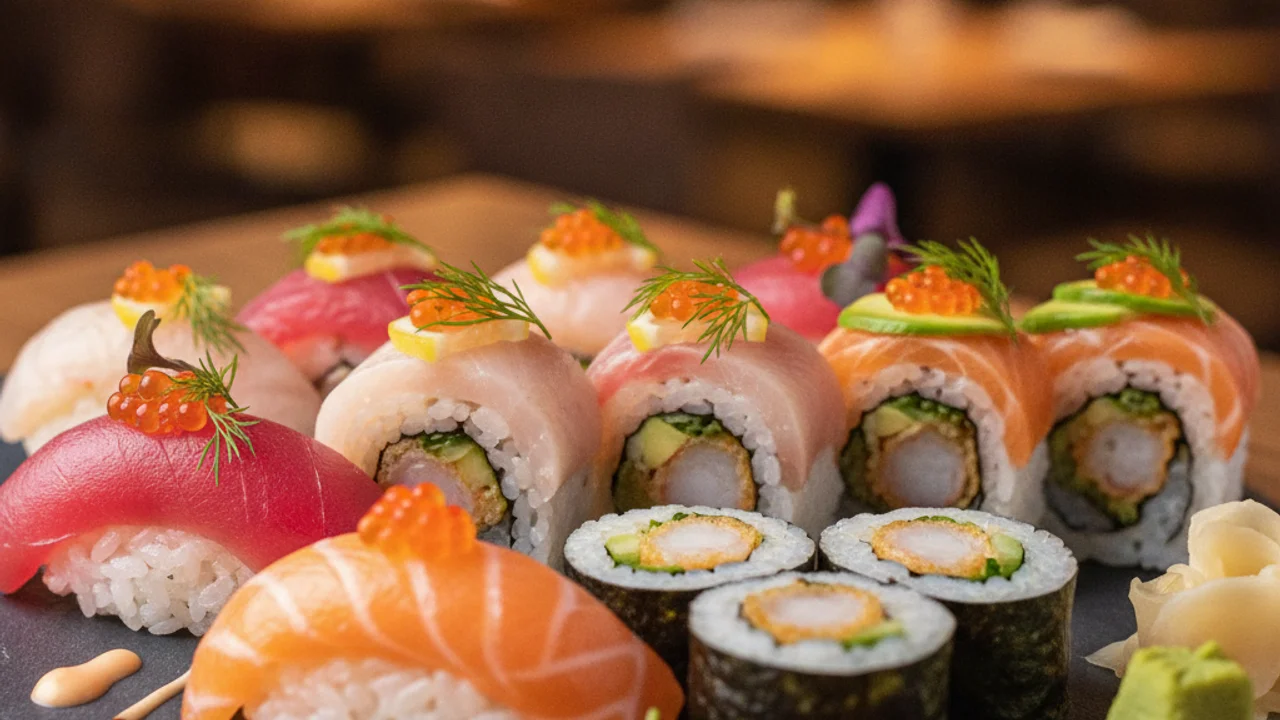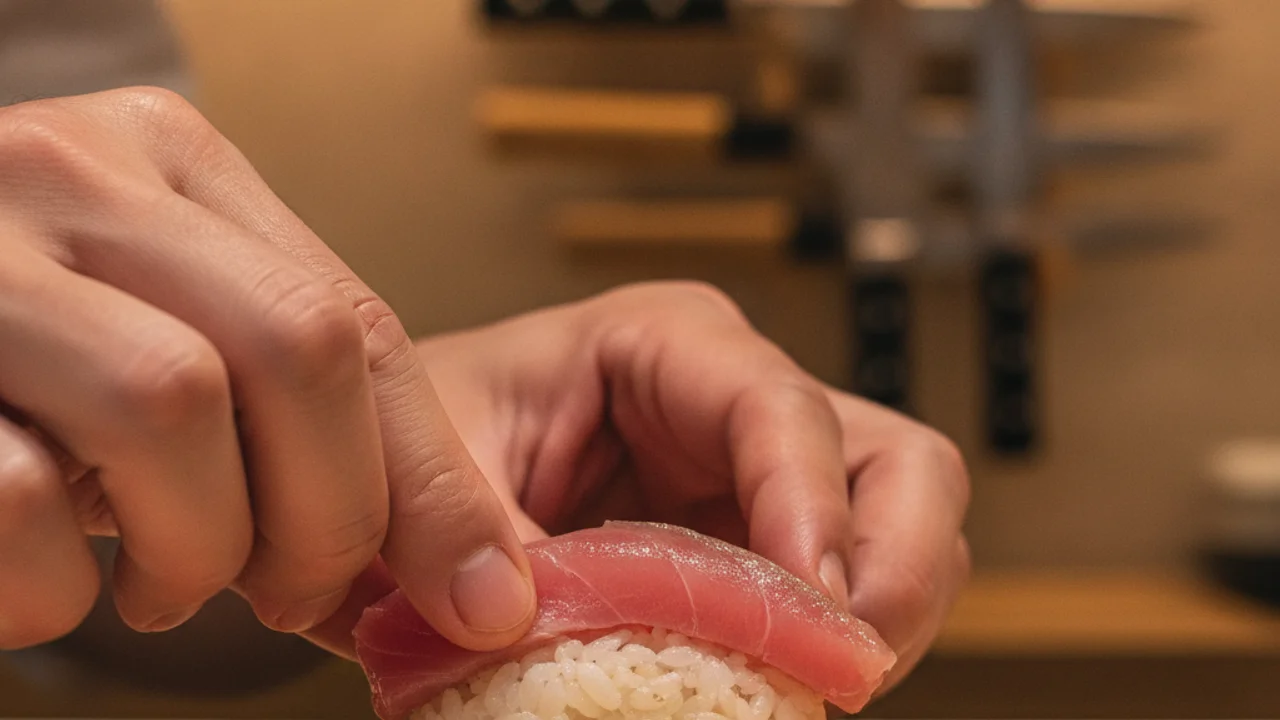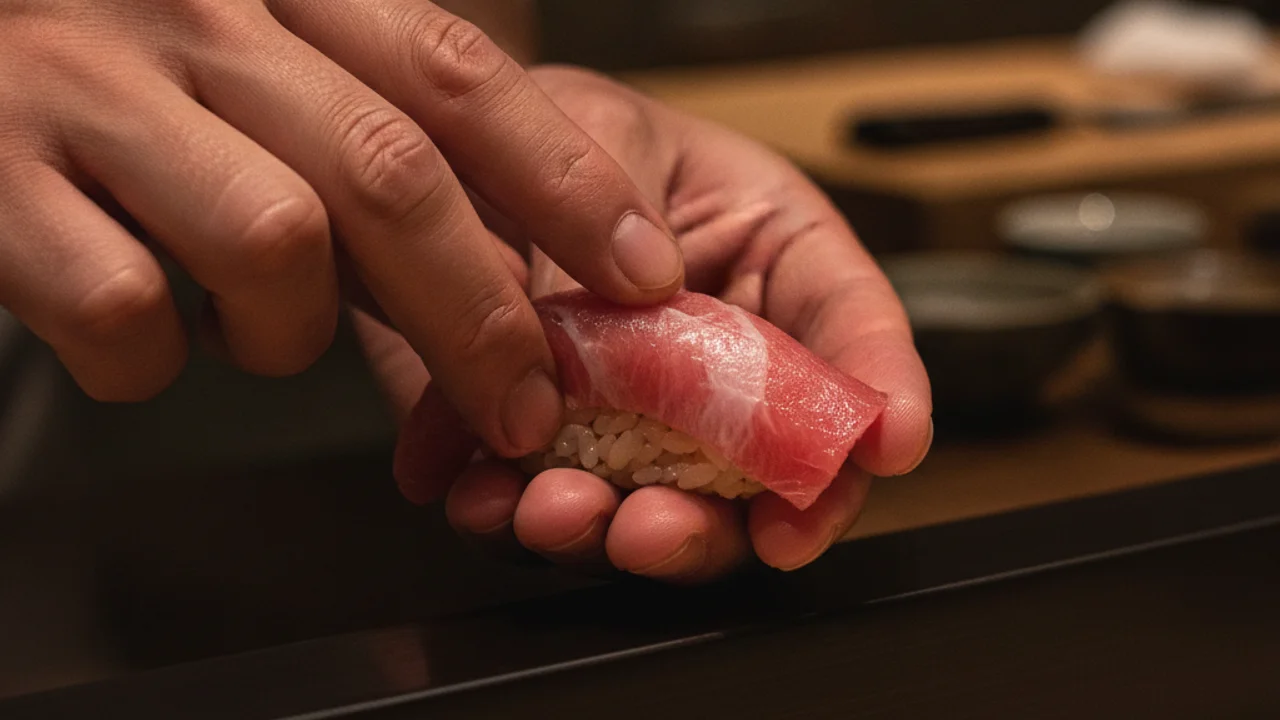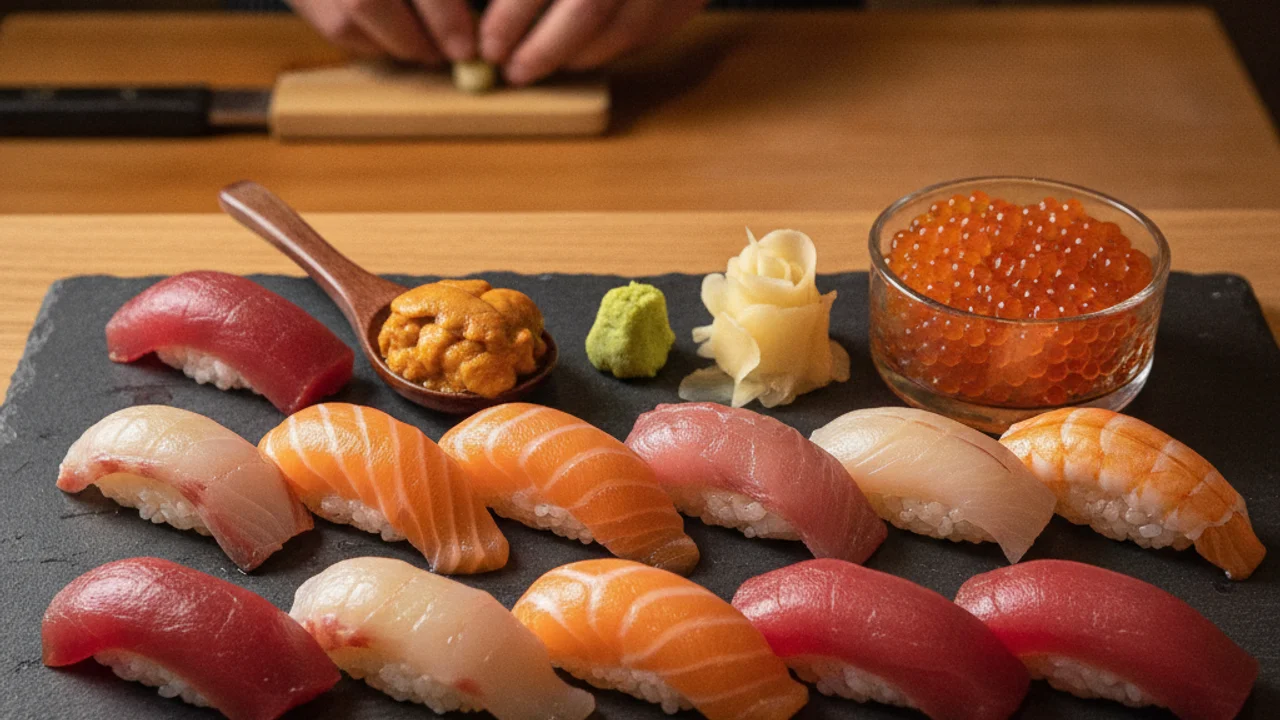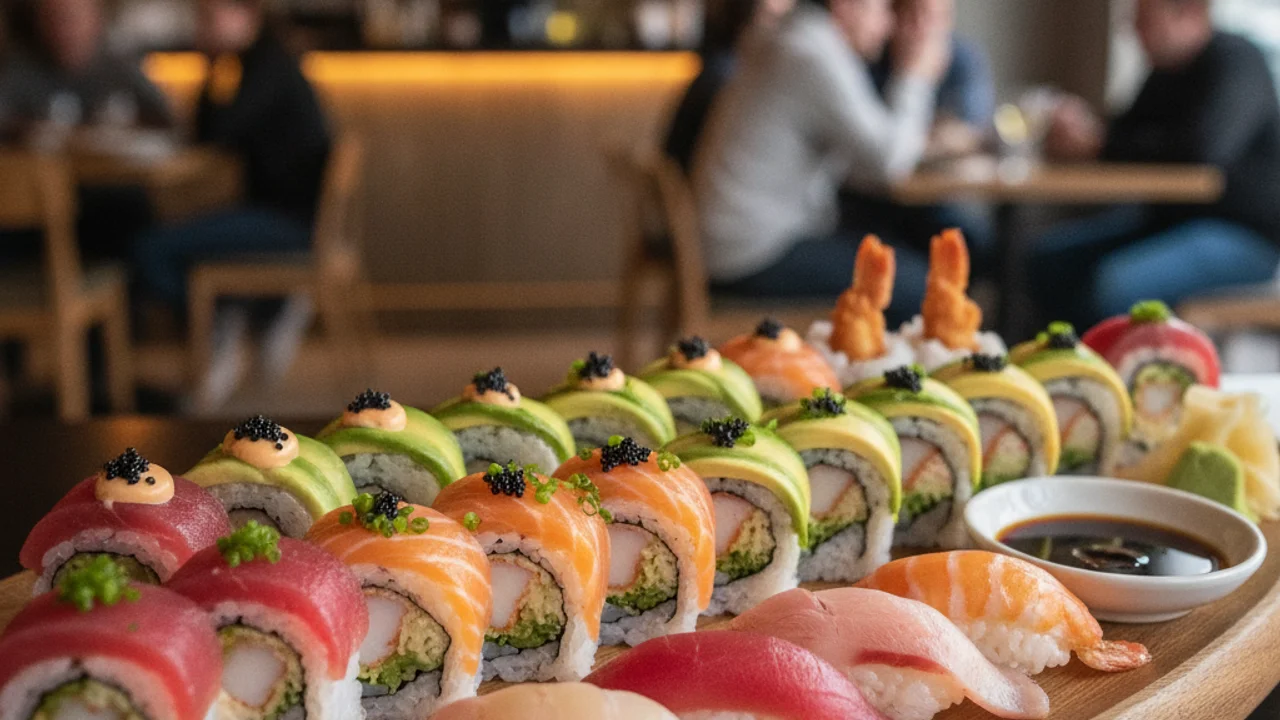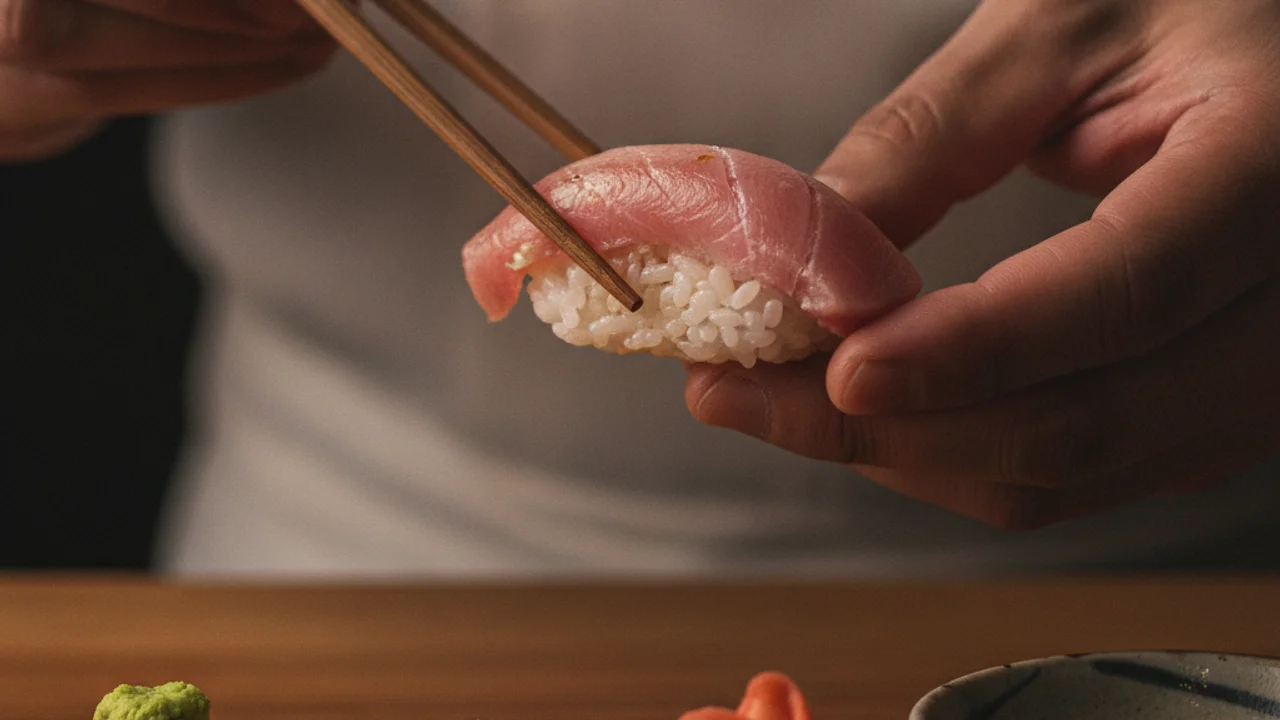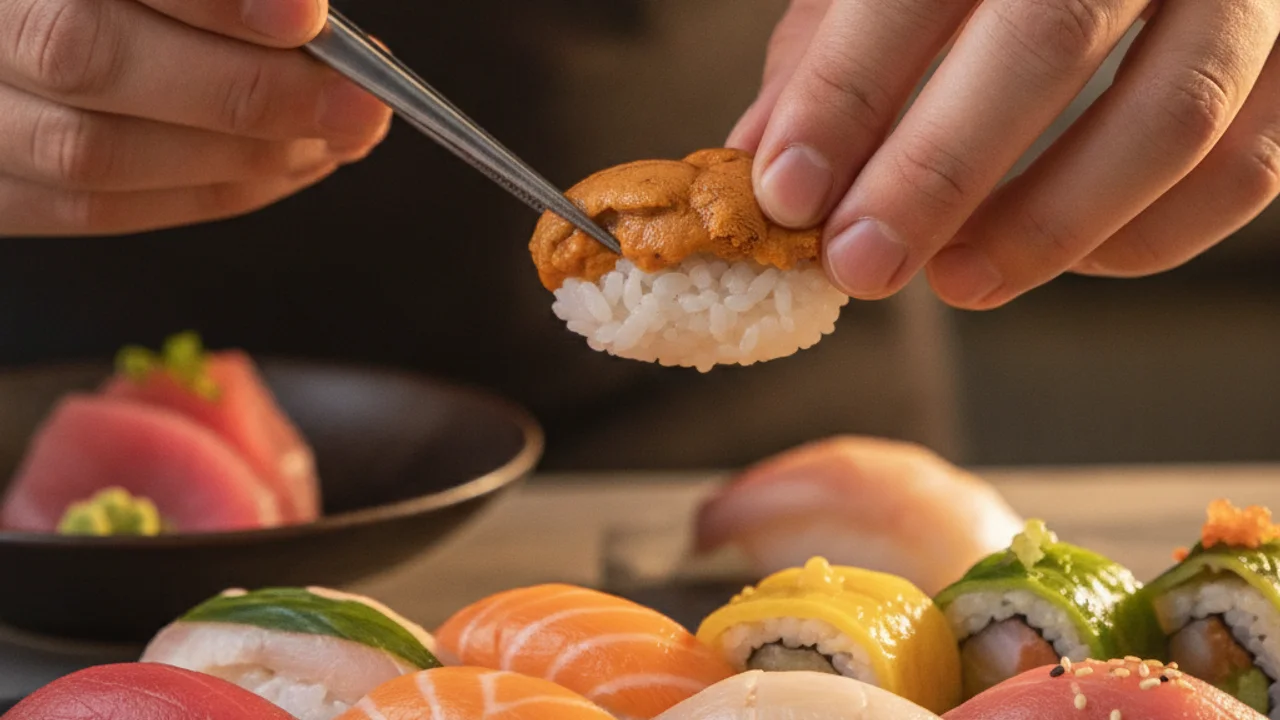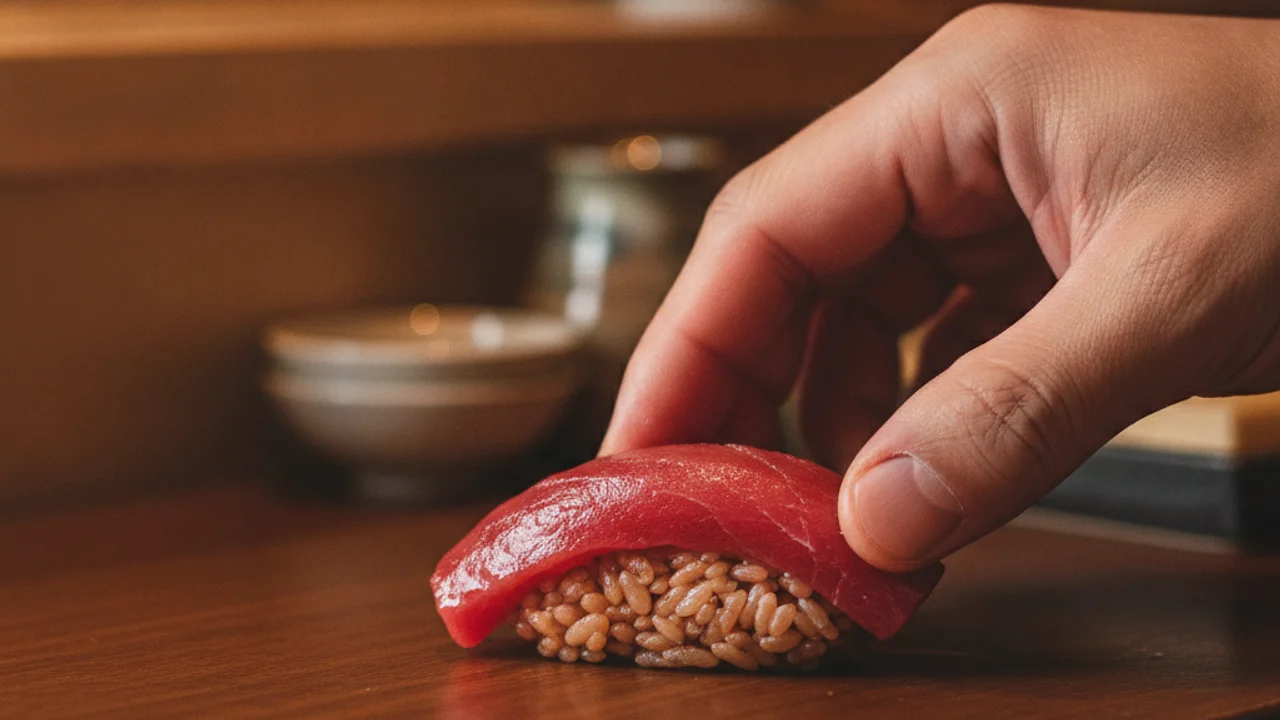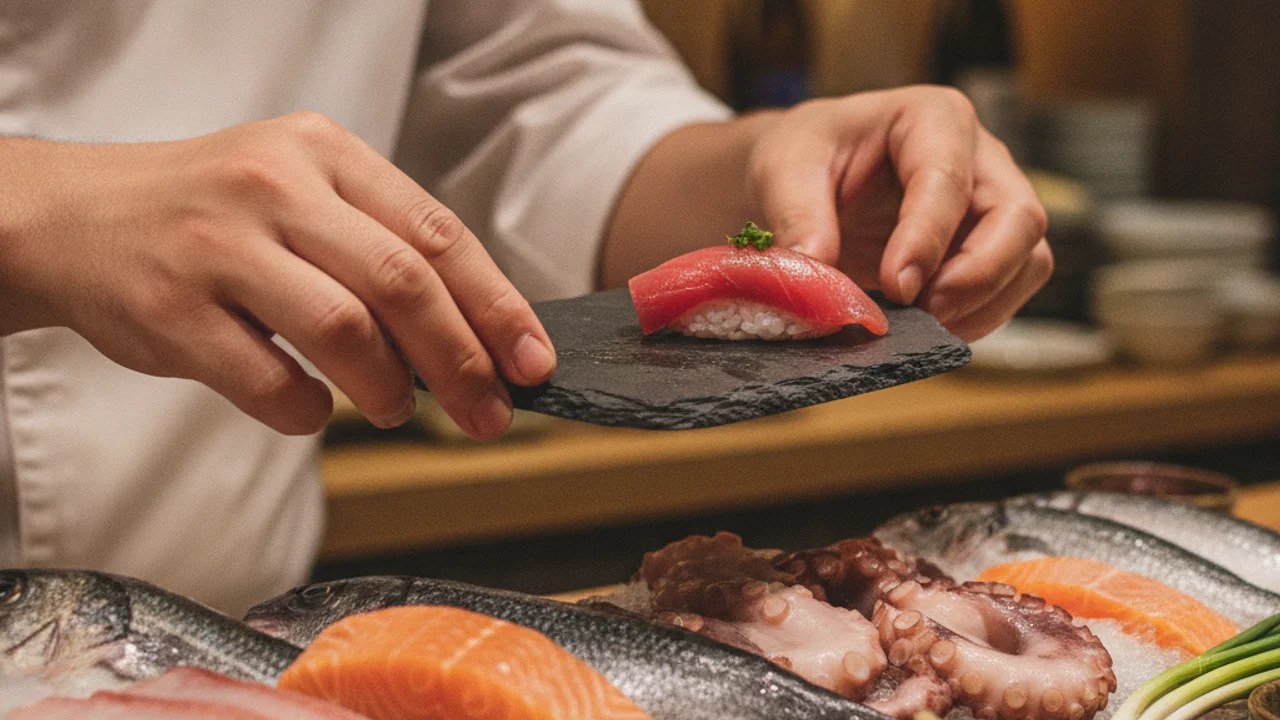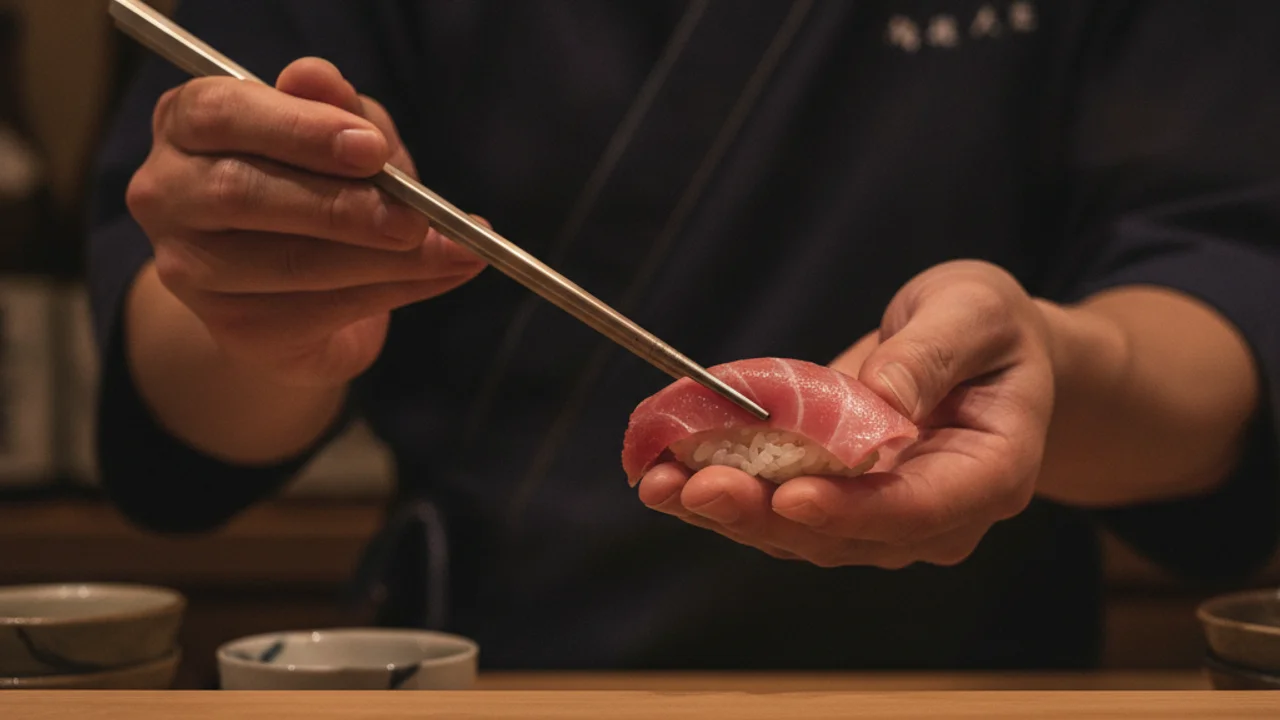
Practical guidesHow to Eat Sushi Properly
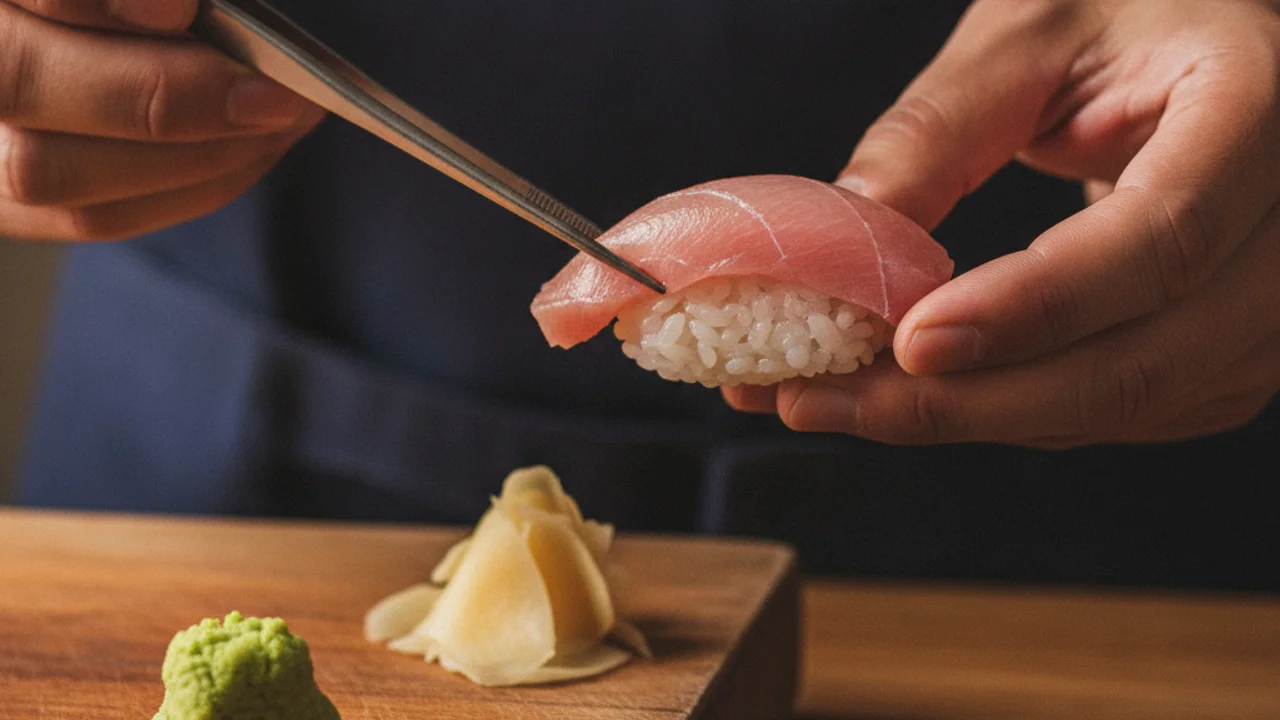
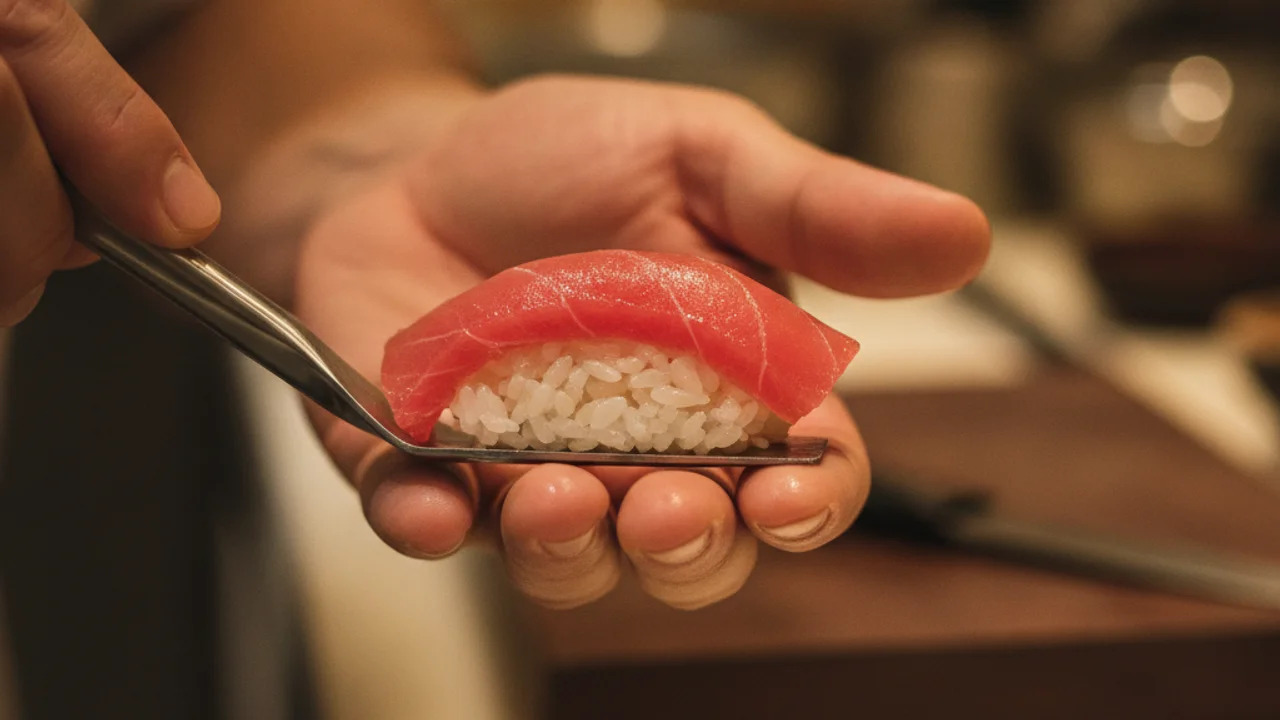
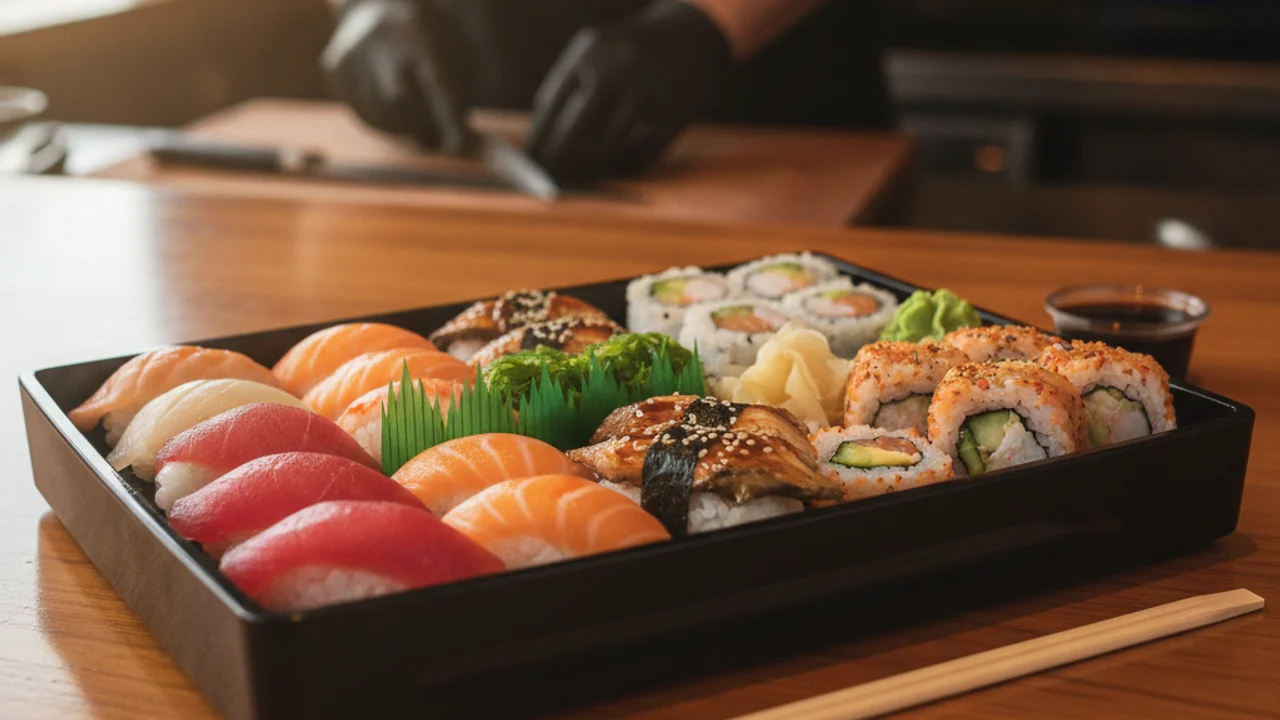
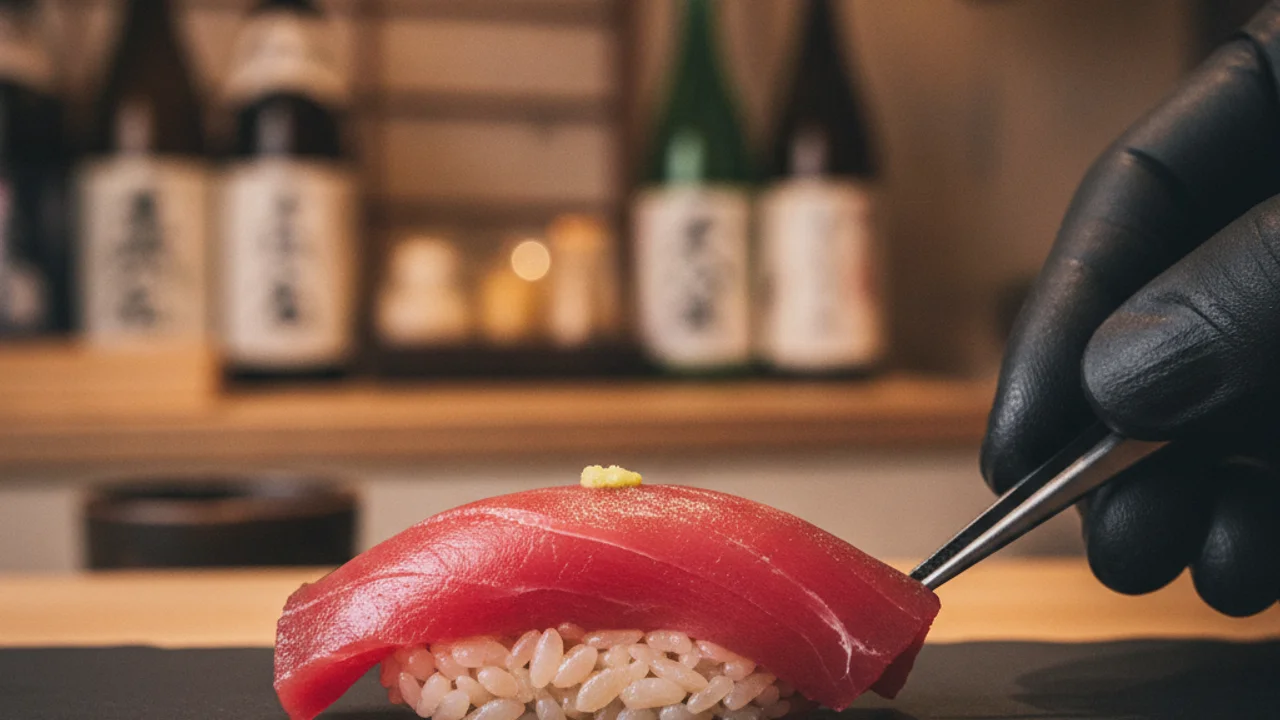
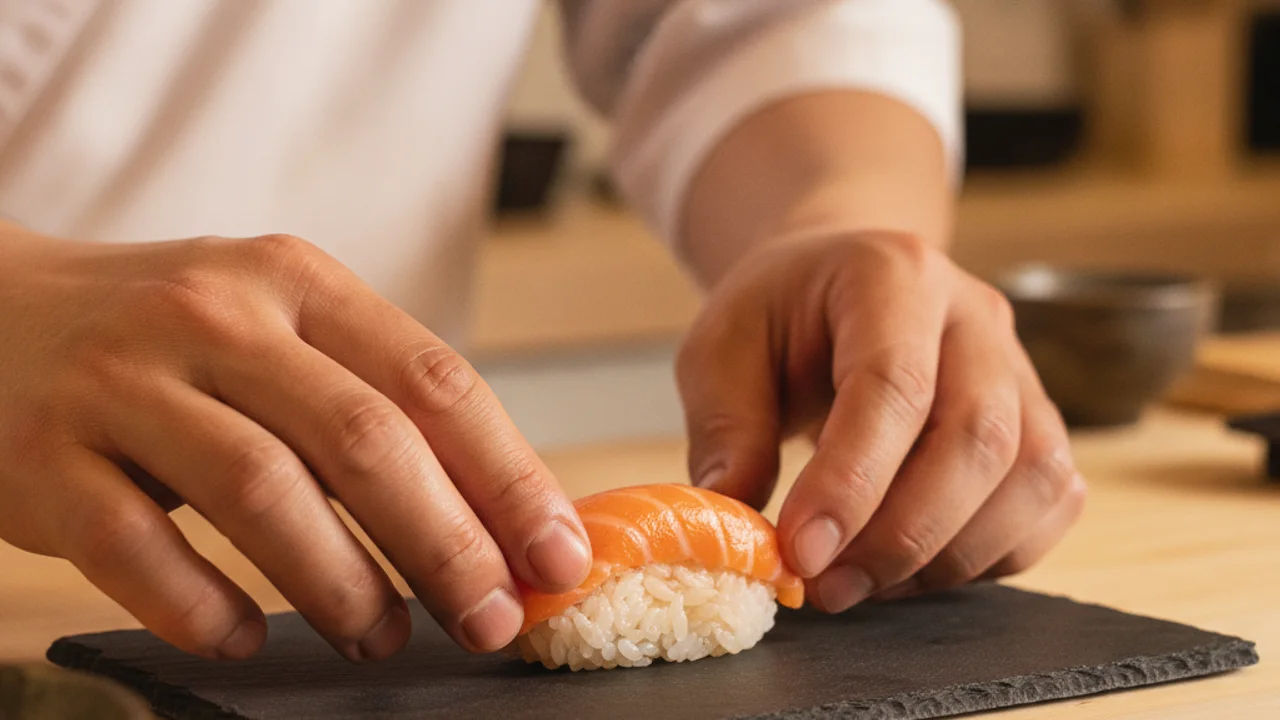
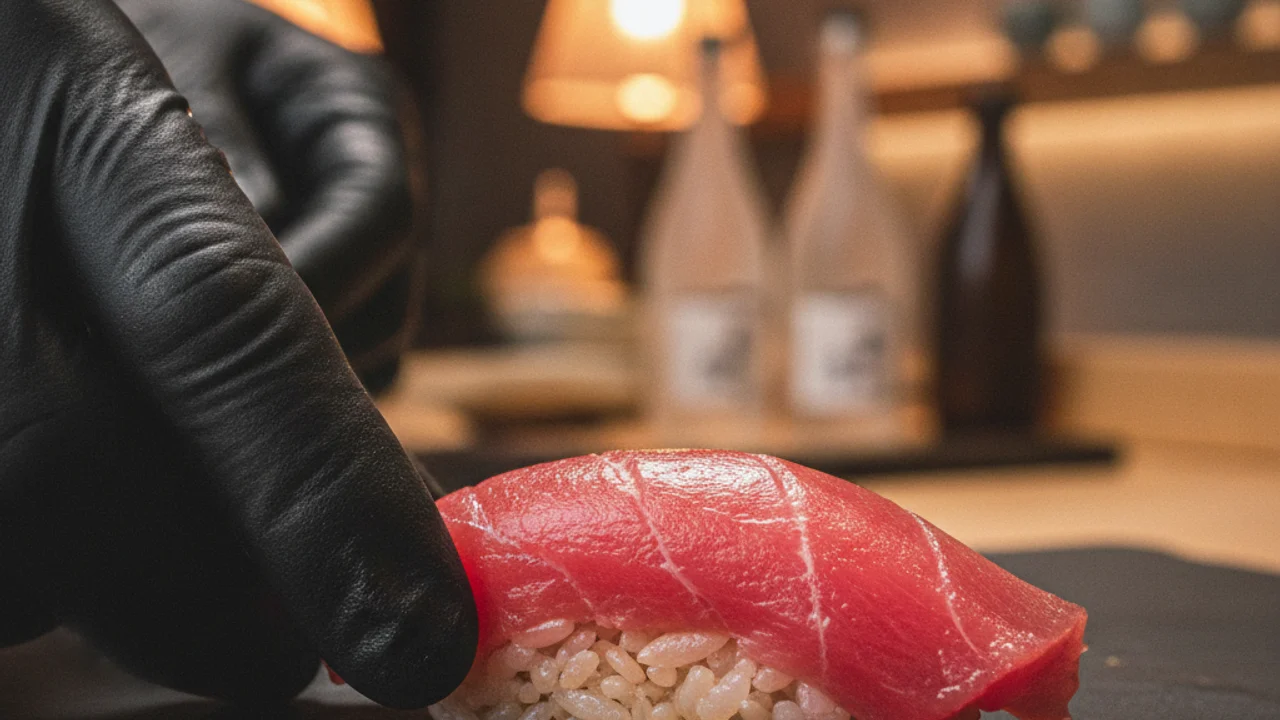
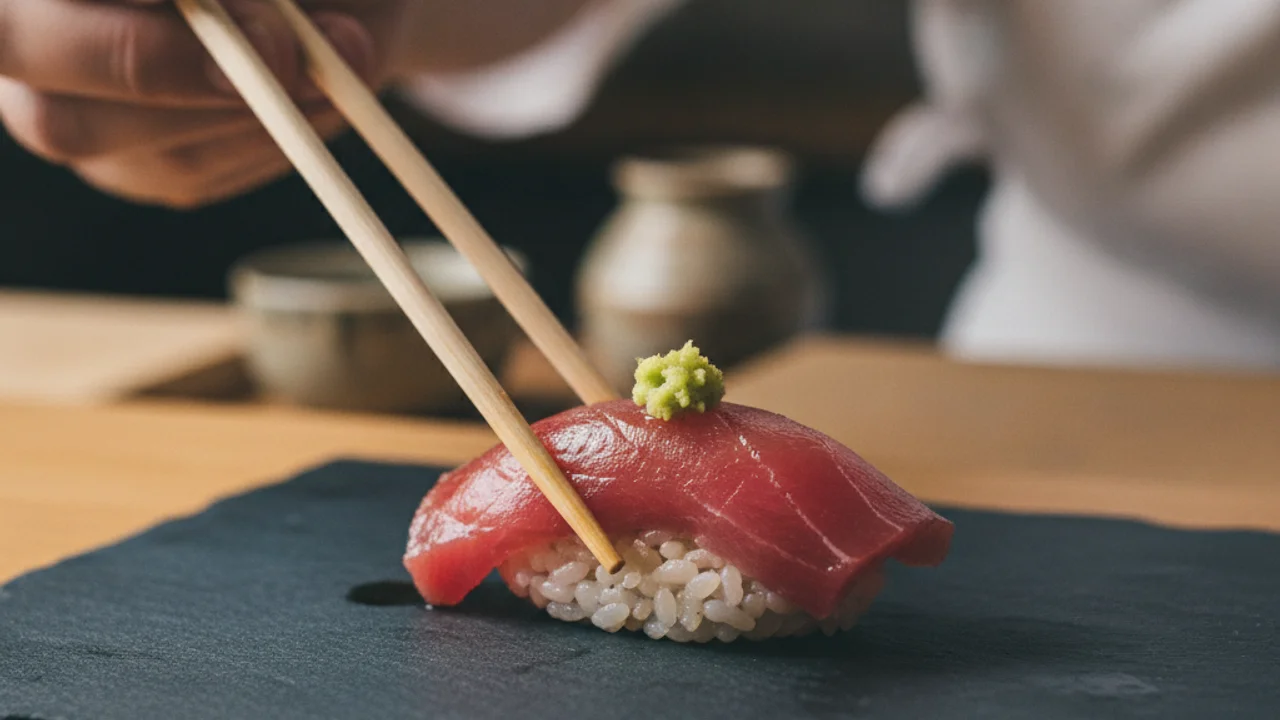
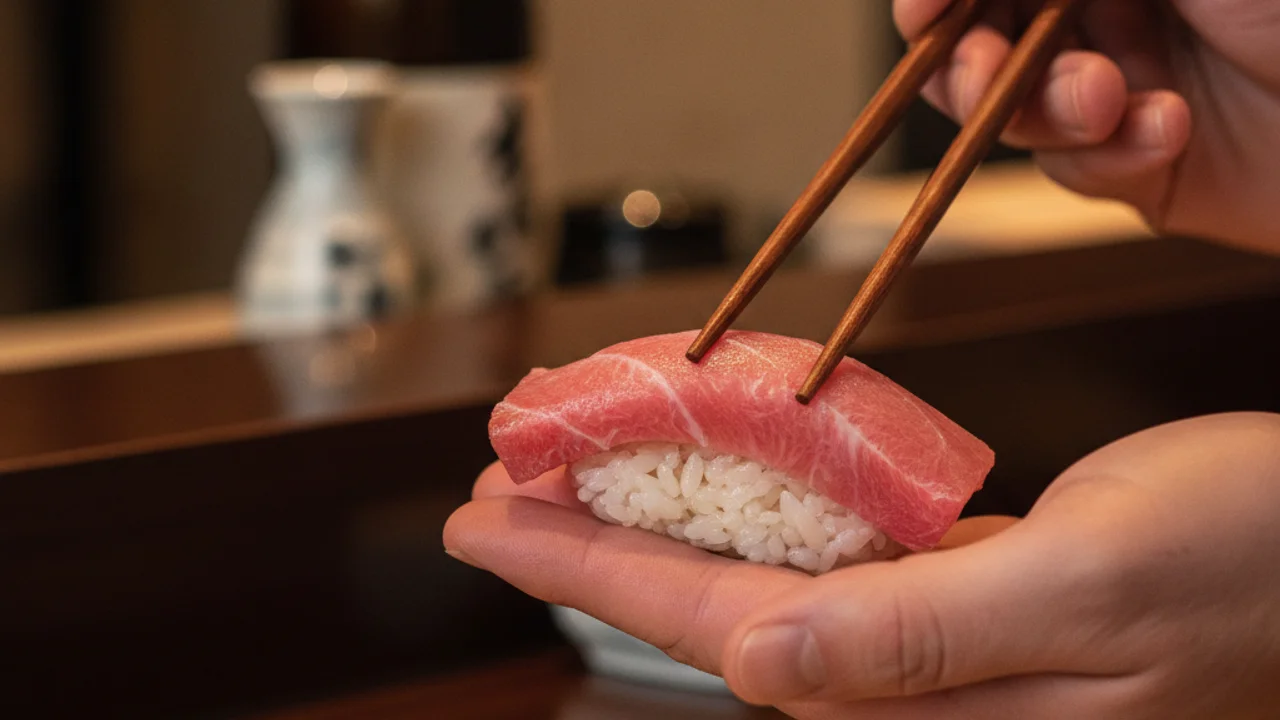
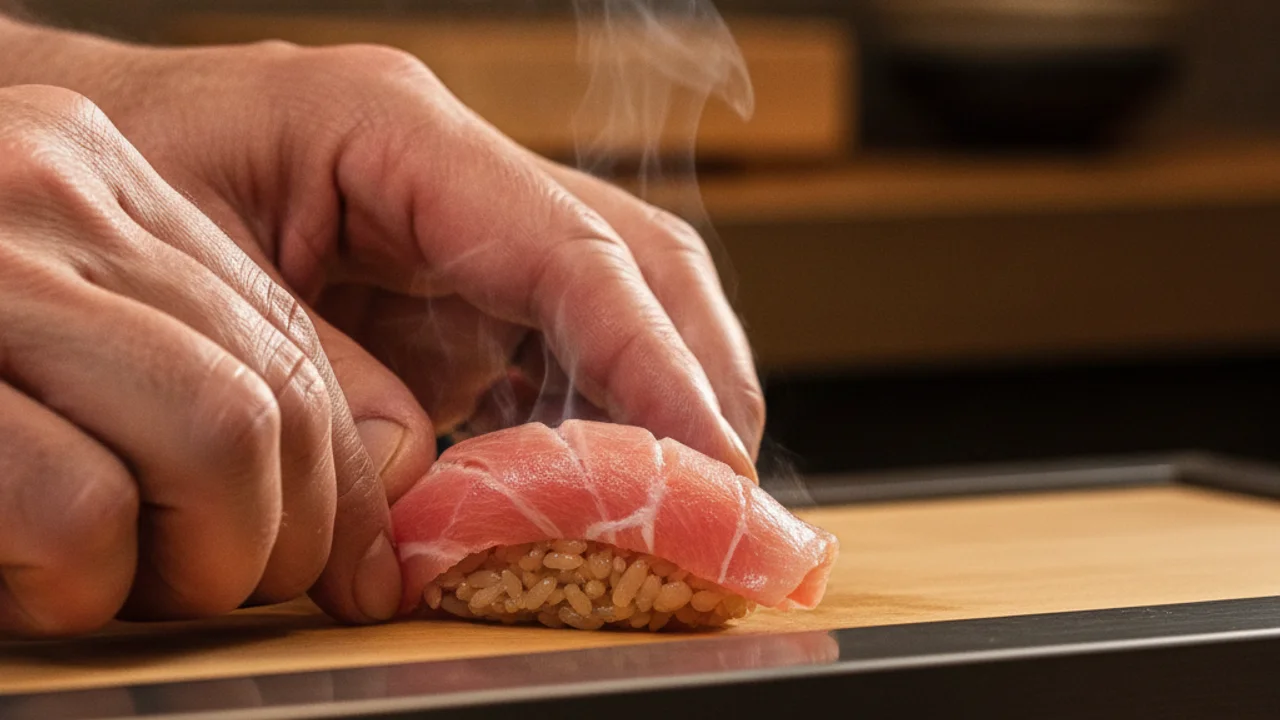
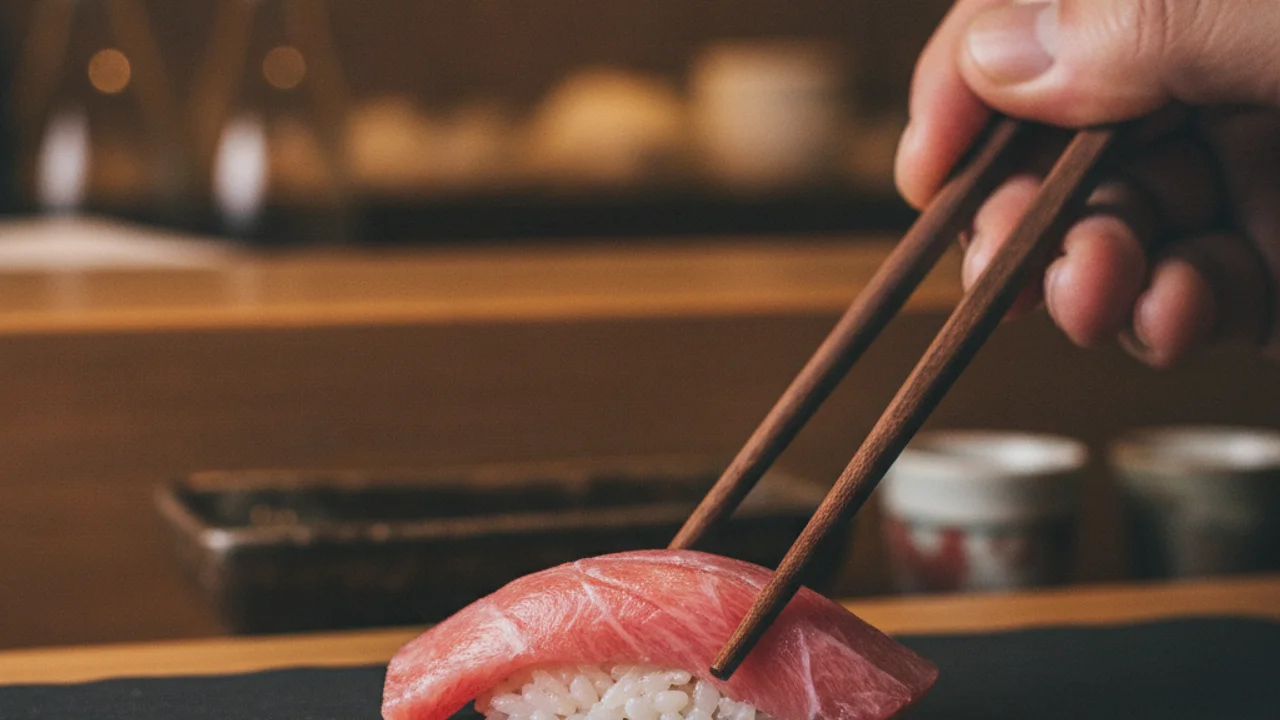
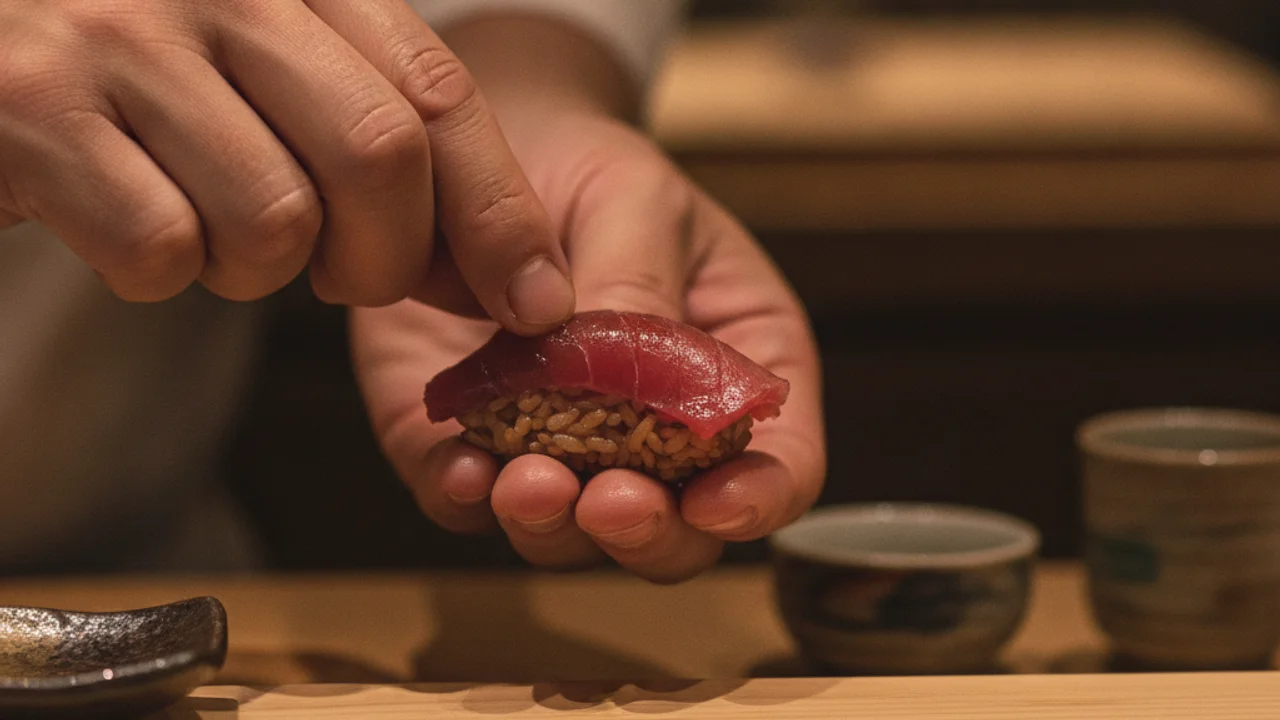
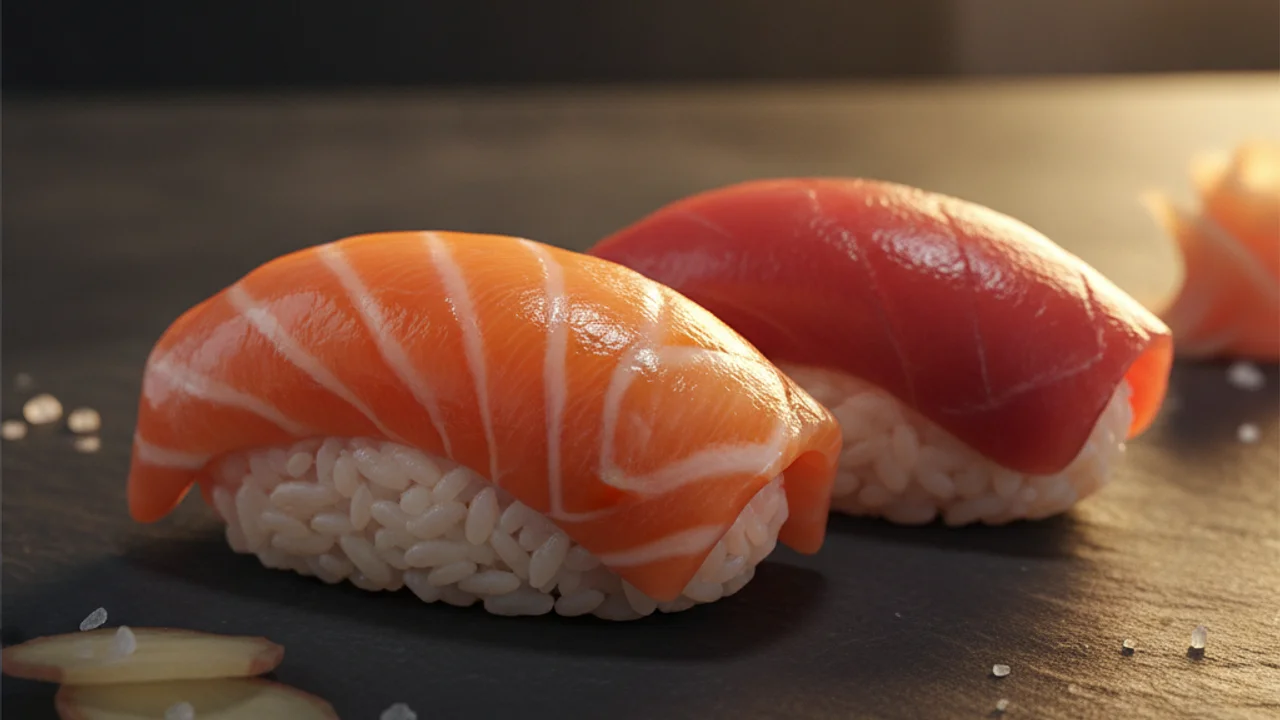
Eat nigiri in one bite, dip only the fish side lightly in soy sauce, use ginger between pieces, and trust the chef's wasabi dosing.
Read the article →The Journal · Le Journal
Methods, seasons, journeys, and the daily life of a Japanese kitchen in Montréal. No sponsors, no affiliate links.
Practical guidesEat nigiri in one bite, dip only the fish side lightly in soy sauce, use ginger between pieces, and trust the chef's wasabi dosing.
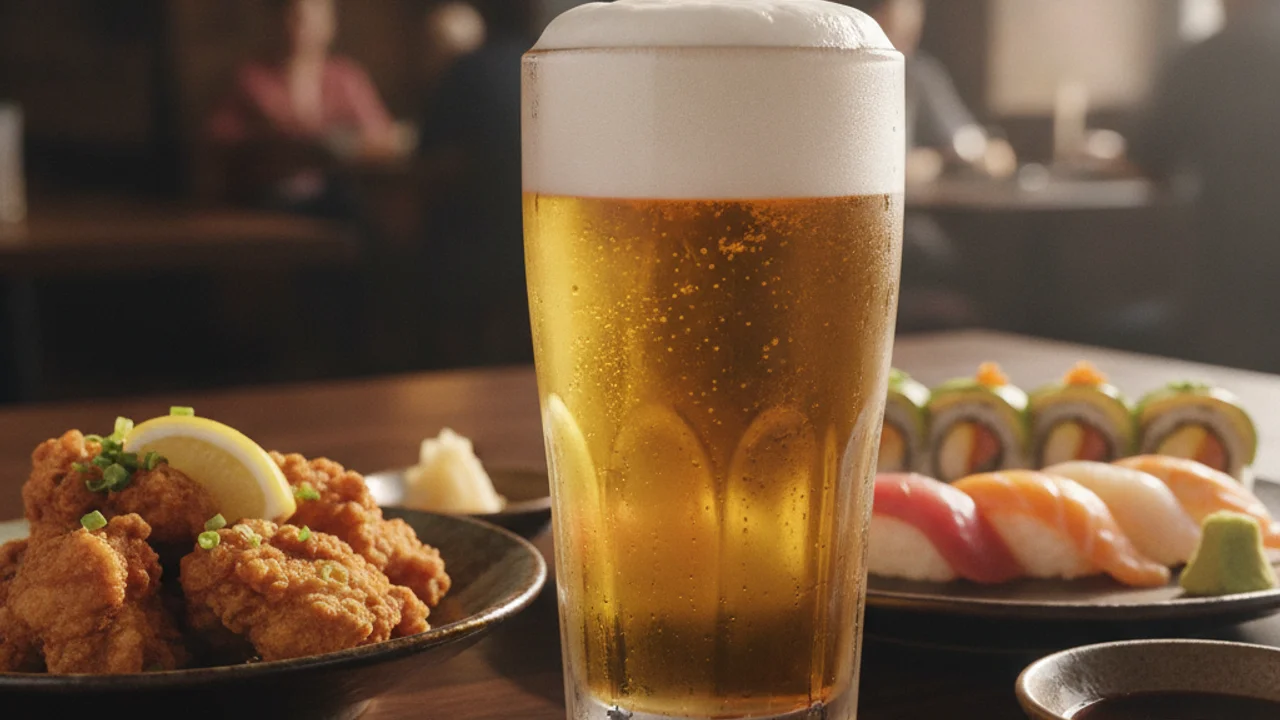
Read the article →The izakaya menu is built around small, shareable dishes designed to pair with drinks: skewered chicken grilled over charcoal, Japanese fried chicken with a rice-flour crust, salty edamame, pan-fried gyoza, and silky fried tofu. Order a few at a time, share everything.
Japanese meals are shared events, not collections of individual orders. Plates land at the centre, you pour for others before yourself, and the itamae at the counter is as much host as chef. It is a fundamentally different relationship with food.
At Aji, four principles shape every decision: ma (restraint and negative space), shun (seasonality as compass), shokunin (the craftsman's lifelong dedication), and omotenashi (hospitality without expectation of return).
An izakaya is a Japanese pub-style eatery where friends gather after work to share small plates and drinks in an informal atmosphere. The word combines 'stay,' 'sake,' and 'shop': a place you linger.
Aji opened in Rosemont with 14 seats and a single conviction: that the edomae tradition, served at the right scale and in the right neighbourhood, could become genuinely Montréalais.
A day at Aji begins with morning fish delivery, works through knife preparation and rice cooking, reaches its peak during service, and closes with care of the knives and the counter. Every step is preparation for the next.
Ten simple gestures: arrive on time, communicate restrictions at booking, eat each piece right away, taste before seasoning, keep fragrance minimal, manage your phone, engage the chef, hold your pace, tip appropriately, and say thank you.
At Aji, you sit within arm's reach of Chef Yamamoto, who composes a sequence of 12 to 18 pieces built around the season. The experience runs roughly 90 minutes: unhurried, personal, and precise.
Chef Yamamoto spent thirty years moving from teppanyaki to edomae sushi, training in Japan and Europe, before choosing Montréal and fourteen seats as the right scale for the cooking he wanted to do.
Kaiseki is a formal multi-course meal rooted in Kyoto's tea ceremony tradition, with a fixed sequence and elegant tableware. Omakase is a counter experience where the chef composes the meal in real time, piece by piece. Both honour seasonality and ingredients; the setting and spirit differ significantly.
An omakase at Aji makes an exceptional birthday gift: it is an experience, not a plate. Book early, mention the occasion, bring wine, and let the chef do the rest.
Aji seats up to 14 guests at the counter. Groups of 8 or more should inquire about privatizing the full counter. Book well in advance, declare restrictions early, and expect a shared sequence that becomes a shared memory.
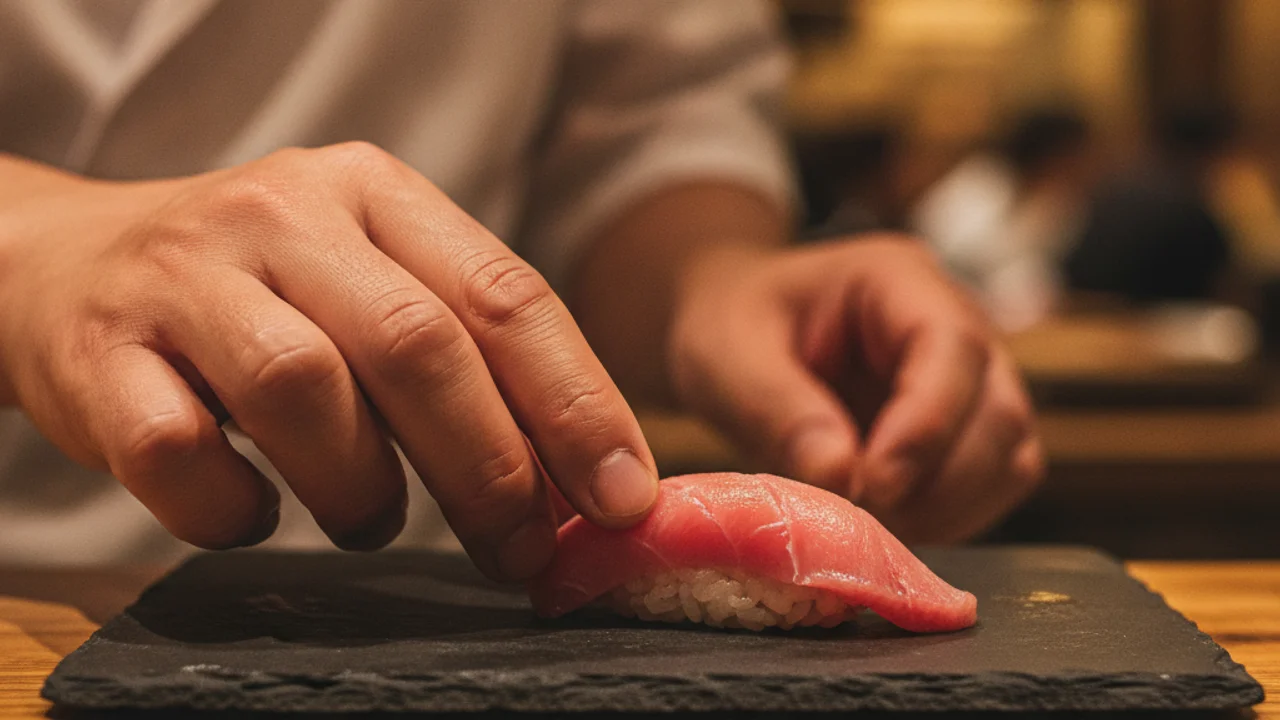
Your first omakase is simpler than it sounds: book early, mention your restrictions, arrive on time, eat each piece immediately, and let the chef lead.
Saint-Zotique Est is a residential Rosemont street with a strong local character: independent shops, neighbourhood cafes, Père-Marquette park, and easy access by métro and bus. Aji is at number 929.
A 14-seat sushi counter offers natural intimacy, a chef-set pace, and shared attention on each piece. Book early, mention the occasion, and bring a bottle you both love.
Omakase is a chef-led tasting experience where you hand over all decisions and trust the chef to compose the meal, piece by piece, based on the season and the day's best ingredients.
Montréal's Japanese restaurant landscape ranges from conveyor-belt sushi to serious omakase counters. Knowing what signals quality, from rice sourcing to chef training, changes how you choose where to eat.
A sushi bar is defined by counter seating, direct chef interaction, and a focused menu. A Japanese restaurant may offer broader formats. Knowing the spectrum, from conveyor belt to omakase, helps you choose the right experience.
Akazu is red vinegar made from sake lees. Richer in umami, softer in acidity, and more complex than white rice vinegar, it is the traditional vinegar of edomae sushi and is rarely used today outside of a handful of dedicated counters.
Japanese cuisine offers a rich palette for non-alcoholic drinks: yuzu, matcha, shiso, hojicha, and umeshu-inspired preparations all pair naturally with sushi and counter-style dining.
Rosemont-La Petite-Patrie has become one of Montréal's most vibrant food destinations: independent restaurants, proximity to Jean-Talon Market, and a neighbourhood culture that rewards the curious diner.
Fish aging, or nekase, uses controlled refrigeration and time to let enzymes develop umami and improve texture. It is a precise daily practice that separates an edomae counter from a standard sushi restaurant.
Japanese sake is classified by how much the rice is polished and whether distilled alcohol is added. Knowing six regulated categories, from junmai to daiginjo, gives you a reliable map of what is in the glass.
Delicate sake, such as ginjo and daiginjo, is best served cold. Simpler sake, including many junmai and honjozo, can be warmed without losing character. Temperature is a tool, not a rule.
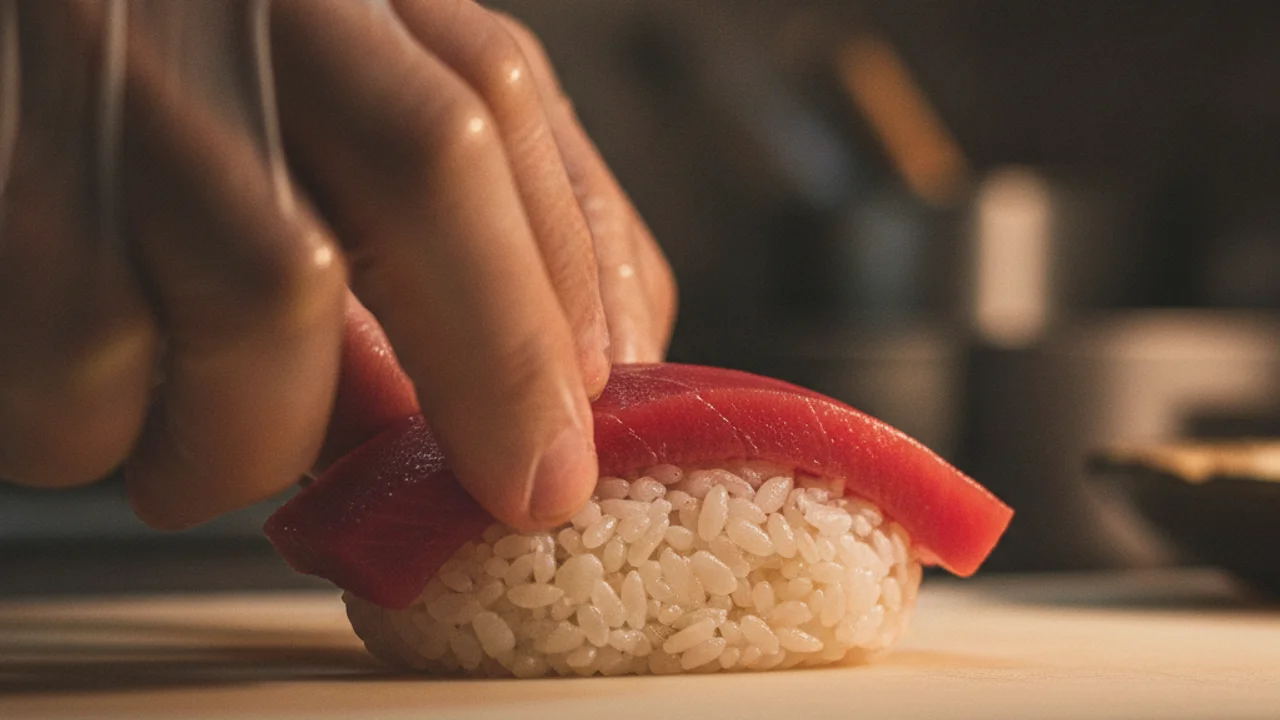
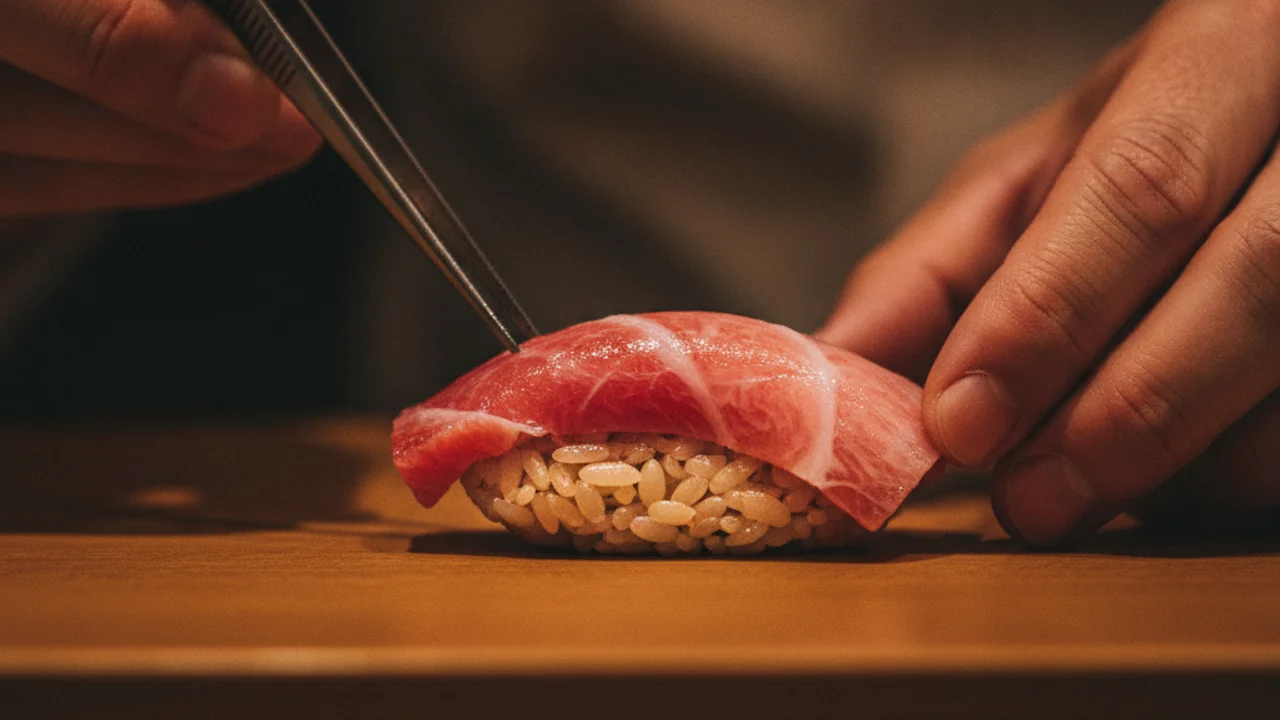
Shari is the vinegared rice at the heart of every sushi. Its variety, vinegar blend, temperature, and preparation determine the quality of a nigiri as much as the fish on top.
Uni is sea urchin gonads, prized for their oceanic sweetness. Ikura is cured salmon roe, salty and bursting. Tobiko is flying fish roe, tobiko is crunchy and briny. Masago is smelt roe. Each rewards a confident approach at the counter.
Sake is a unique fermented rice beverage, not rice wine. Made with koji, polished rice, and water, it reaches about 15% alcohol and ranges from dry and earthy to fruity and floral.
Edomae sushi was born in early 19th-century Tokyo as fast street food, then evolved into a counter art form built on fermentation, preservation, and extreme precision. It is practised today at Aji in Montréal.
For most sushi fish, flash-freezing at very low temperatures is both a food safety requirement and a quality preservation method. 'Fresh' is not always better, and 'sushi-grade' is not a regulated term.
Shun (旬) means peak season in Japanese. Each fish has a window when its flavour is at its height. Eating in season at a serious Japanese restaurant means eating the fish at its best, not just what is available.
Hold chopsticks near the top third, rest them between bites, and never plant, rub, point, pass food with, or lick them. For nigiri, fingers are perfectly correct.
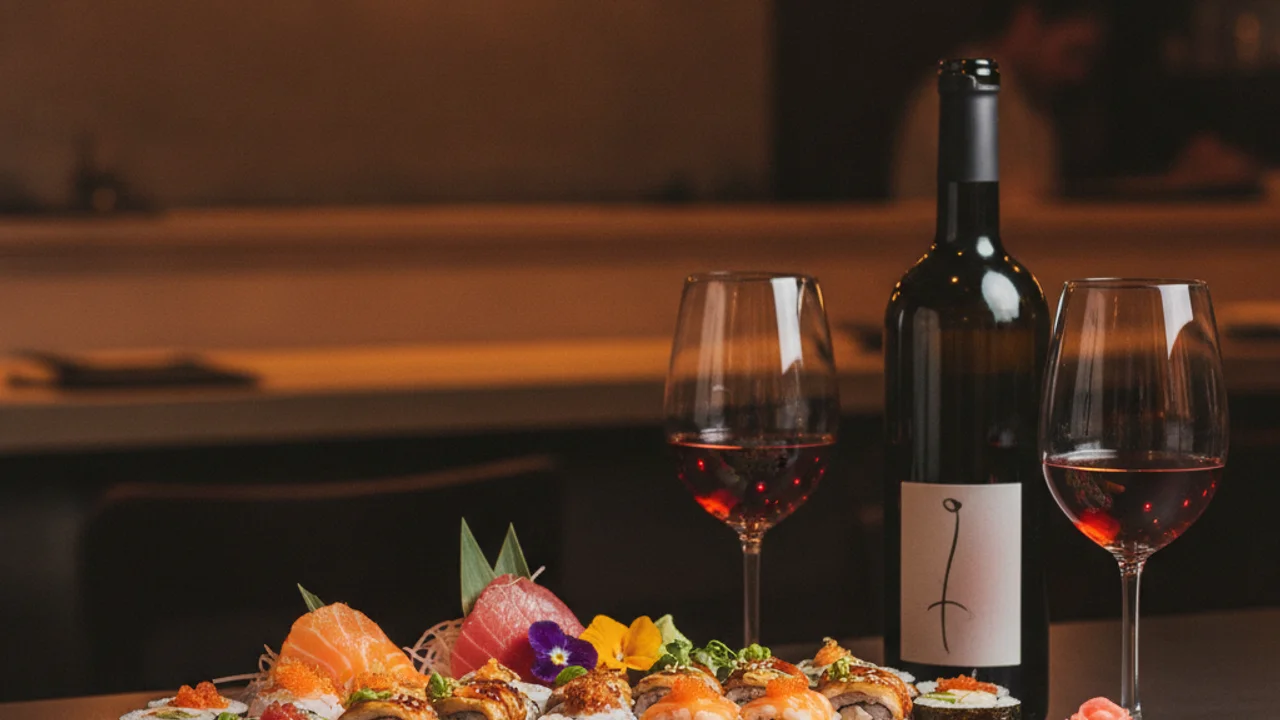
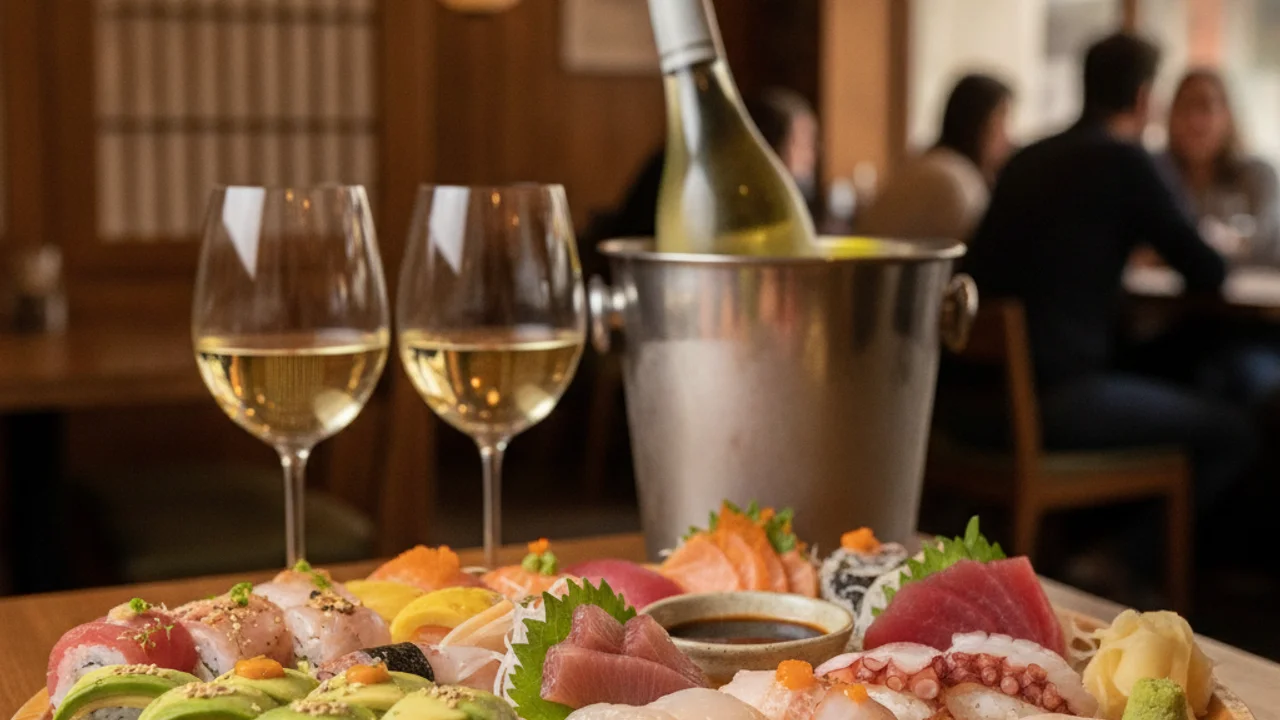
Go for acid-driven whites in the $15 to $25 range. Chill before you arrive. For nigiri, lean mineral. For rolls, a touch more body is fine. For omakase, choose something that works across the whole meal.
Bluefin tuna is fatter, richer, and more expensive, with the legendary otoro and chutoro cuts. Yellowfin is leaner, brighter, and more accessible. Both are serious sushi fish with distinct strengths.
Thirty essential sushi terms covering rice and vinegar, fish and toppings, technique, and counter etiquette, so you can follow the conversation at any serious sushi bar.
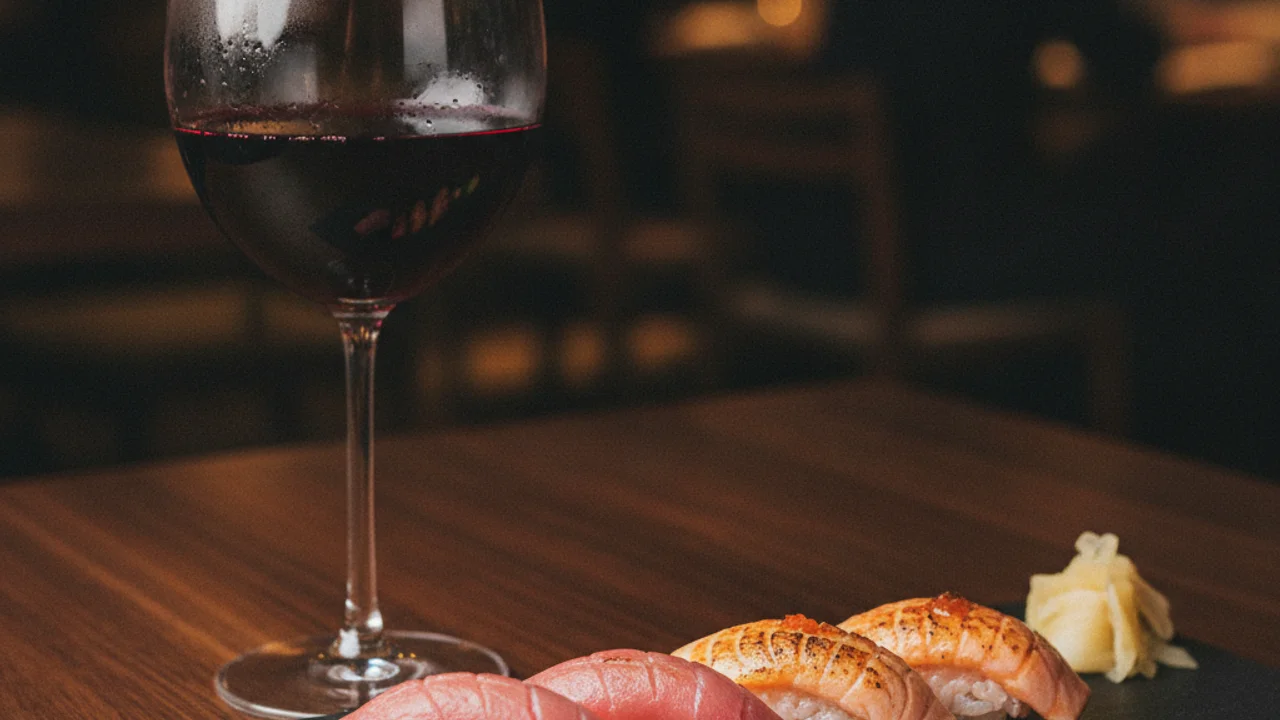
Fresh, mineral, high-acid whites pair naturally with sushi. Chablis, Champagne, and Muscadet are your most reliable options. Avoid tannic reds and heavily oaked whites.
Sake has a natural cultural and chemical affinity with sushi. White wine works beautifully when the fish is rich or fatty. Both are valid: the best choice depends on what you are eating and what you enjoy.
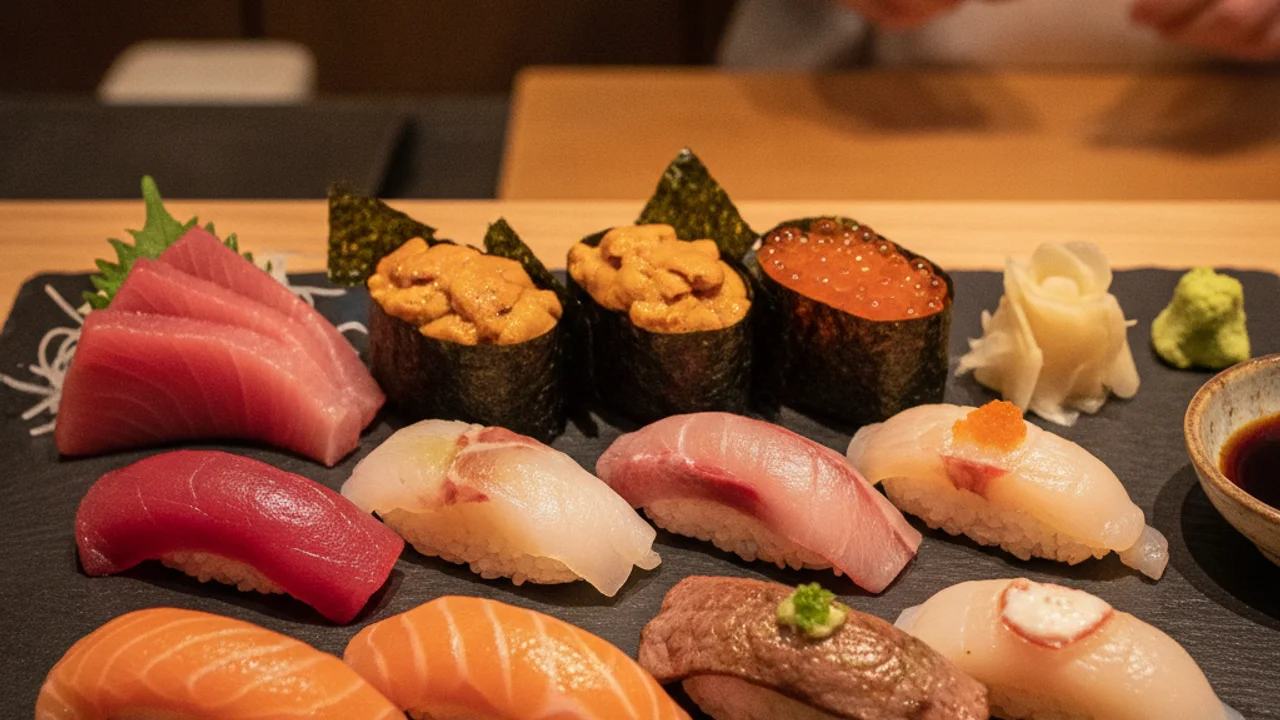
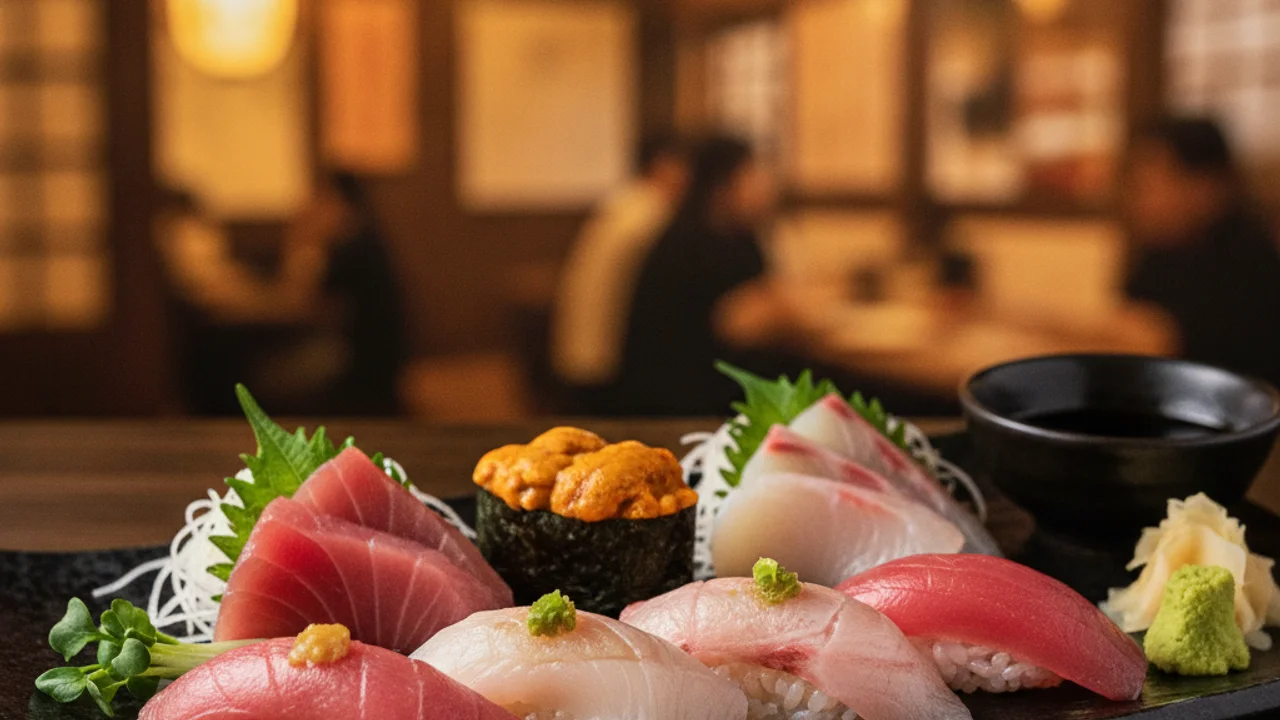
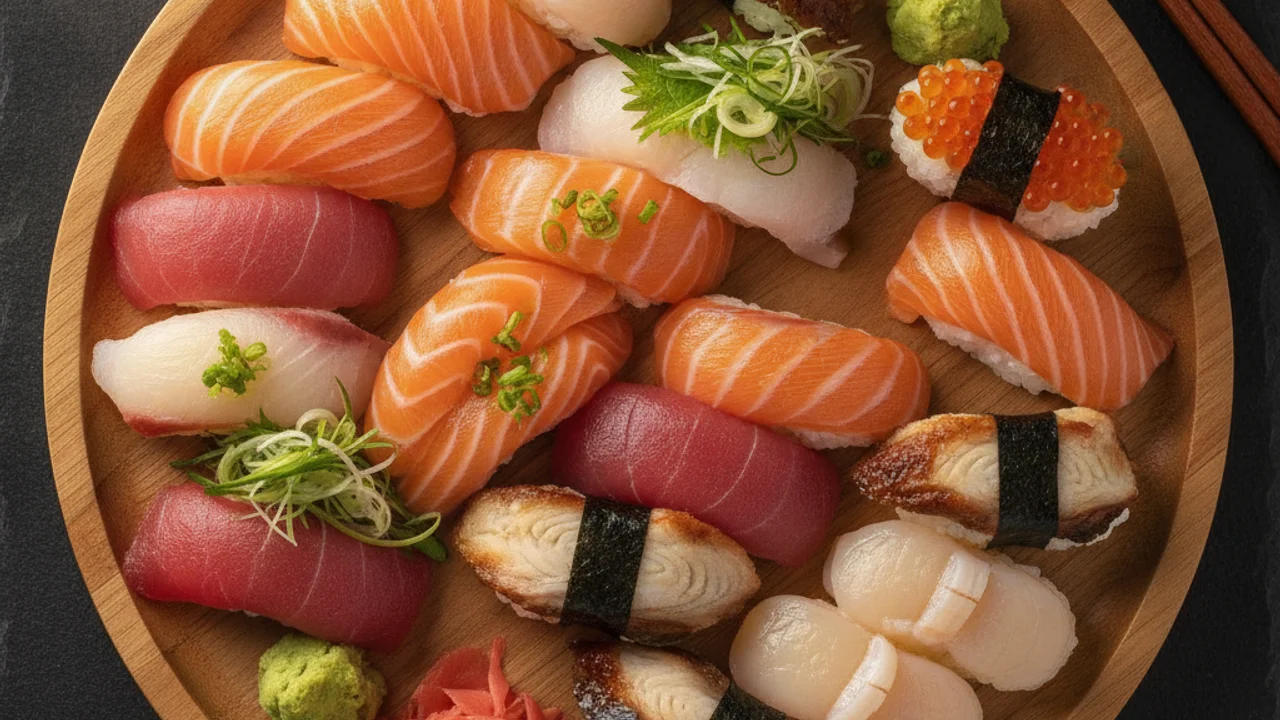
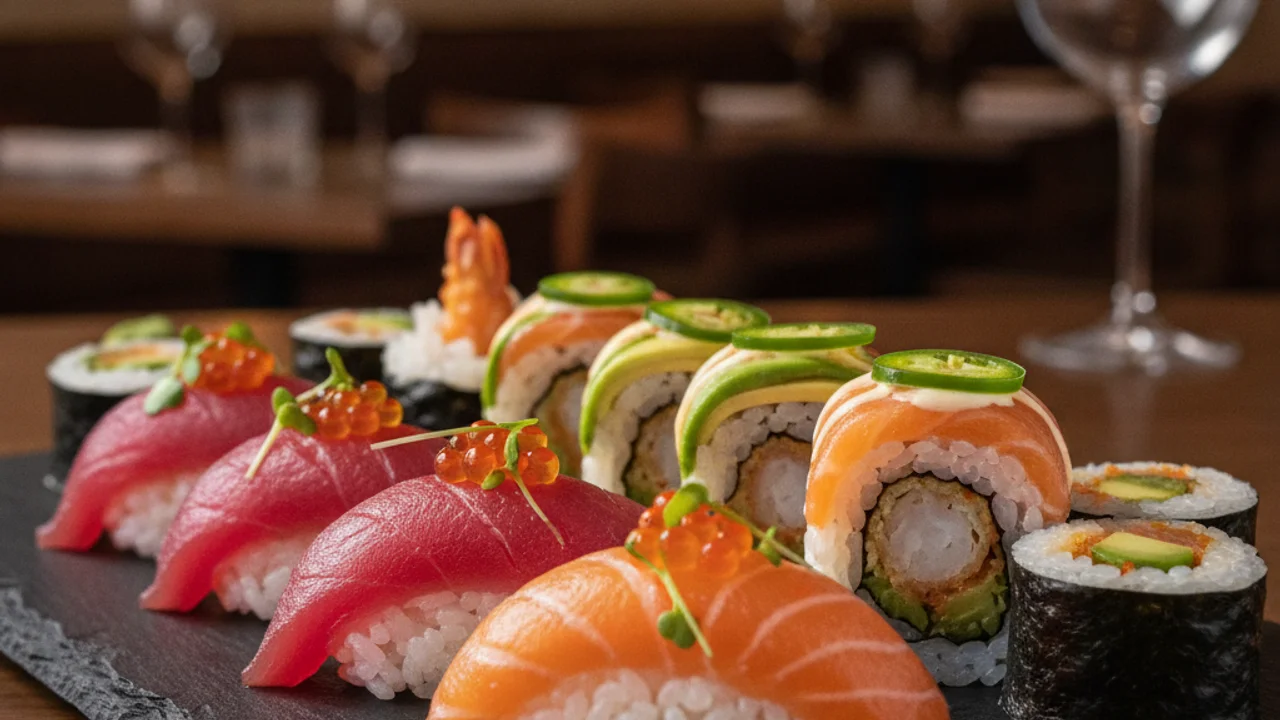
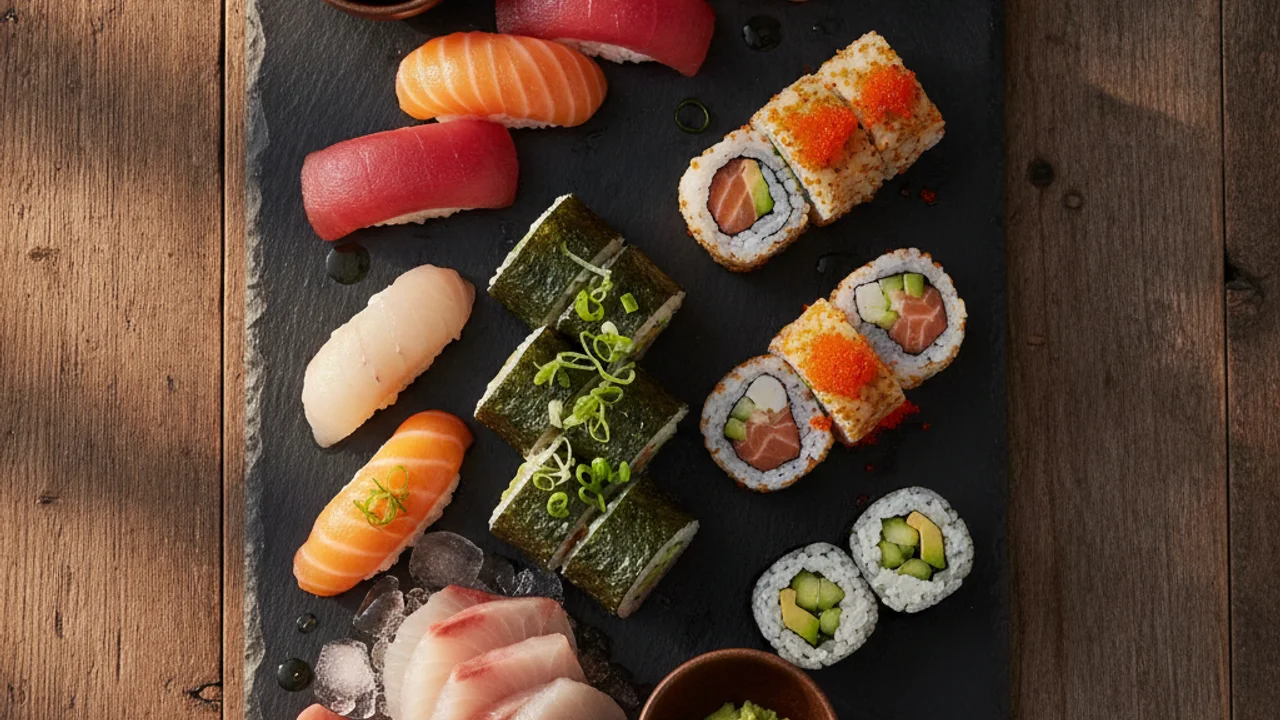
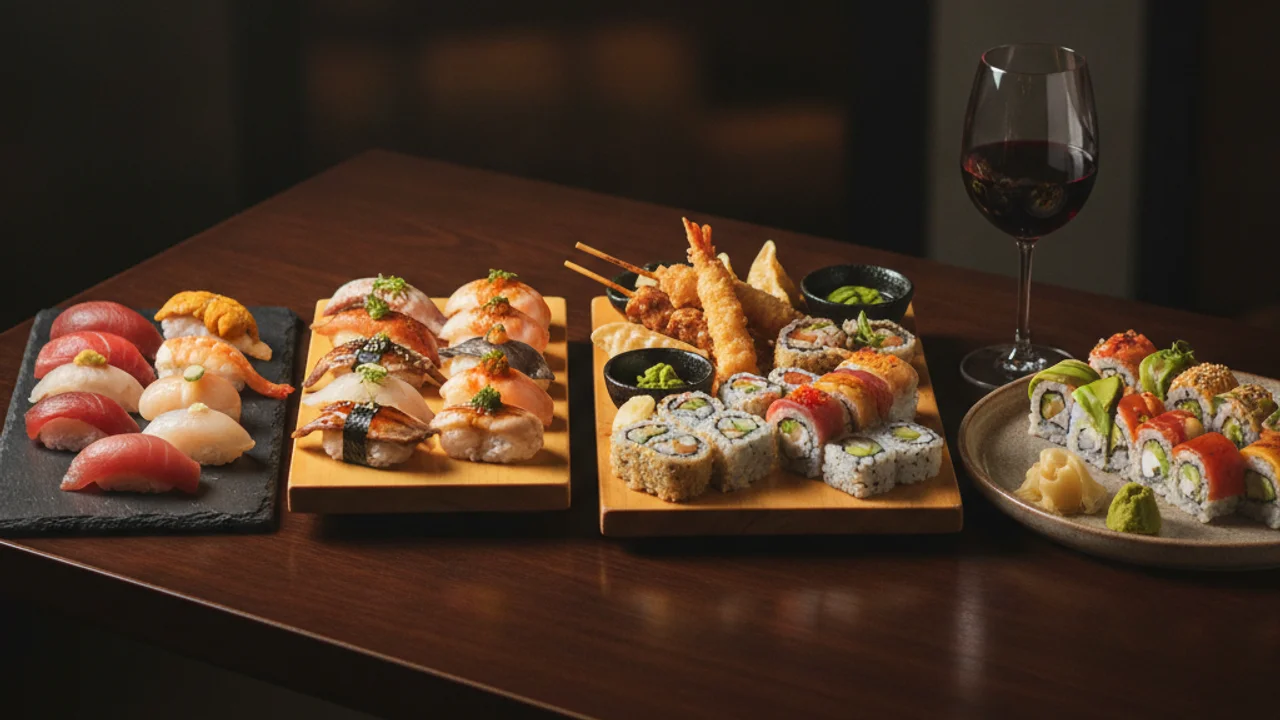
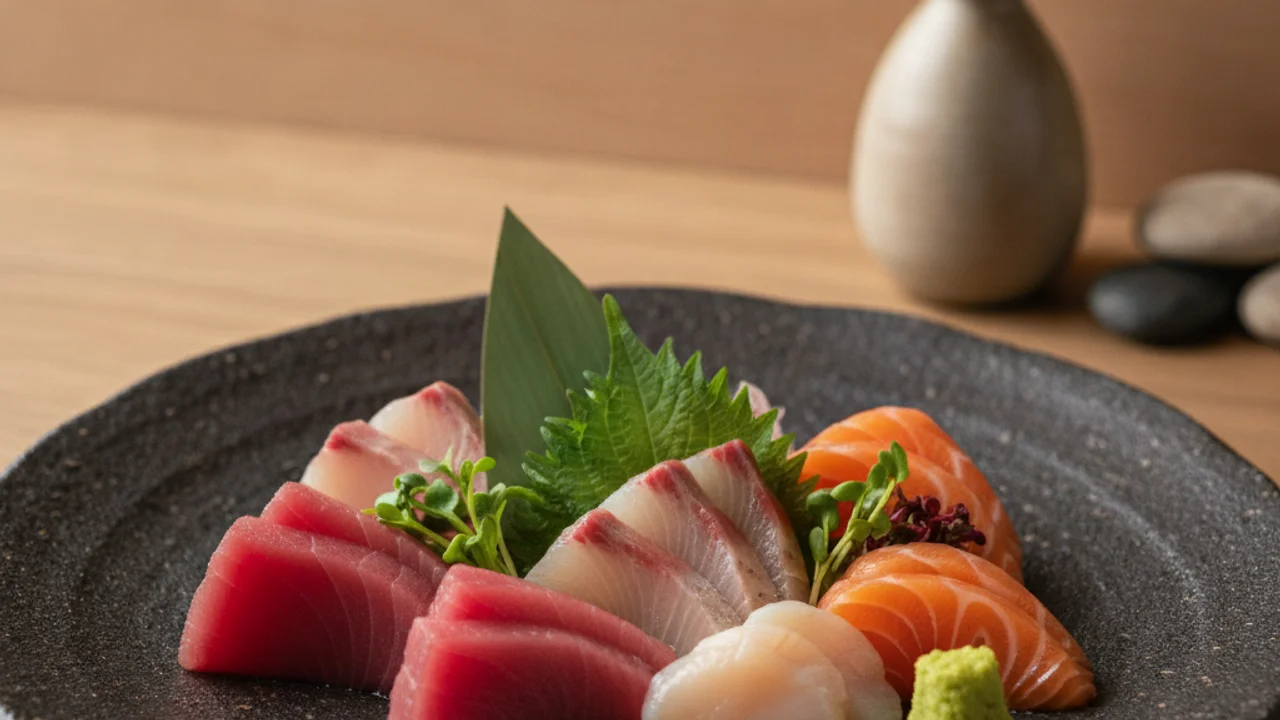
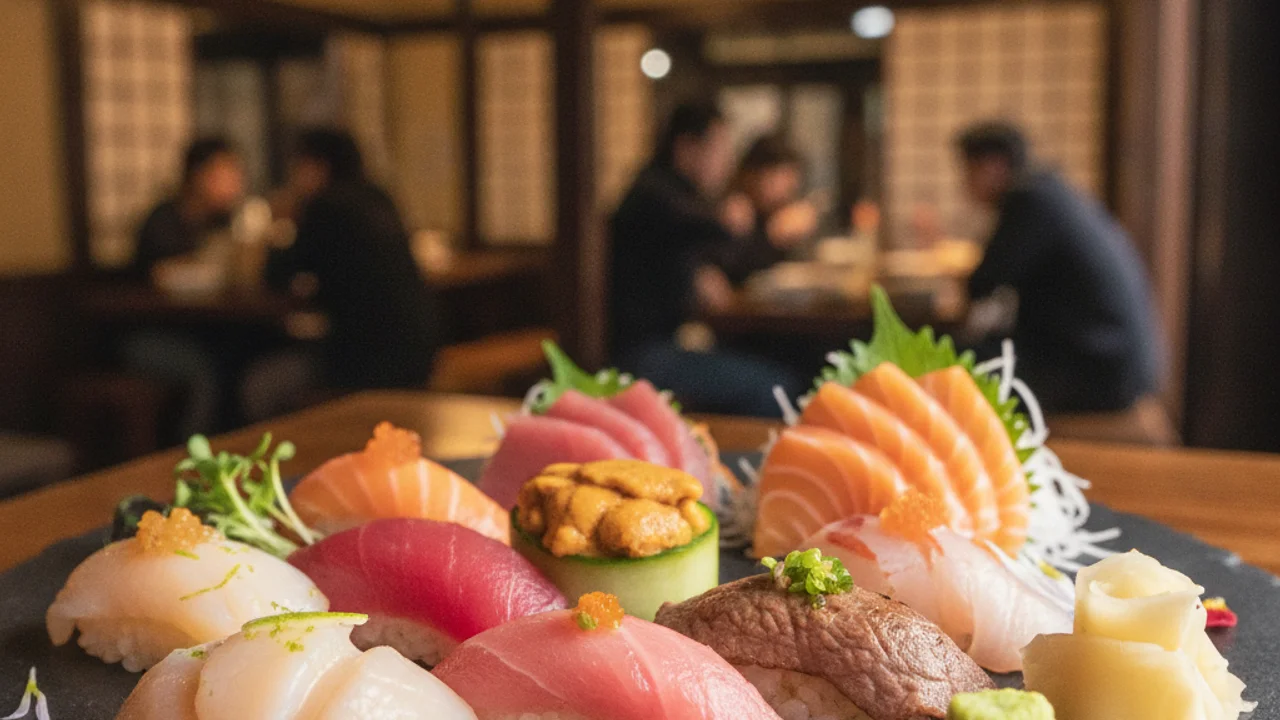
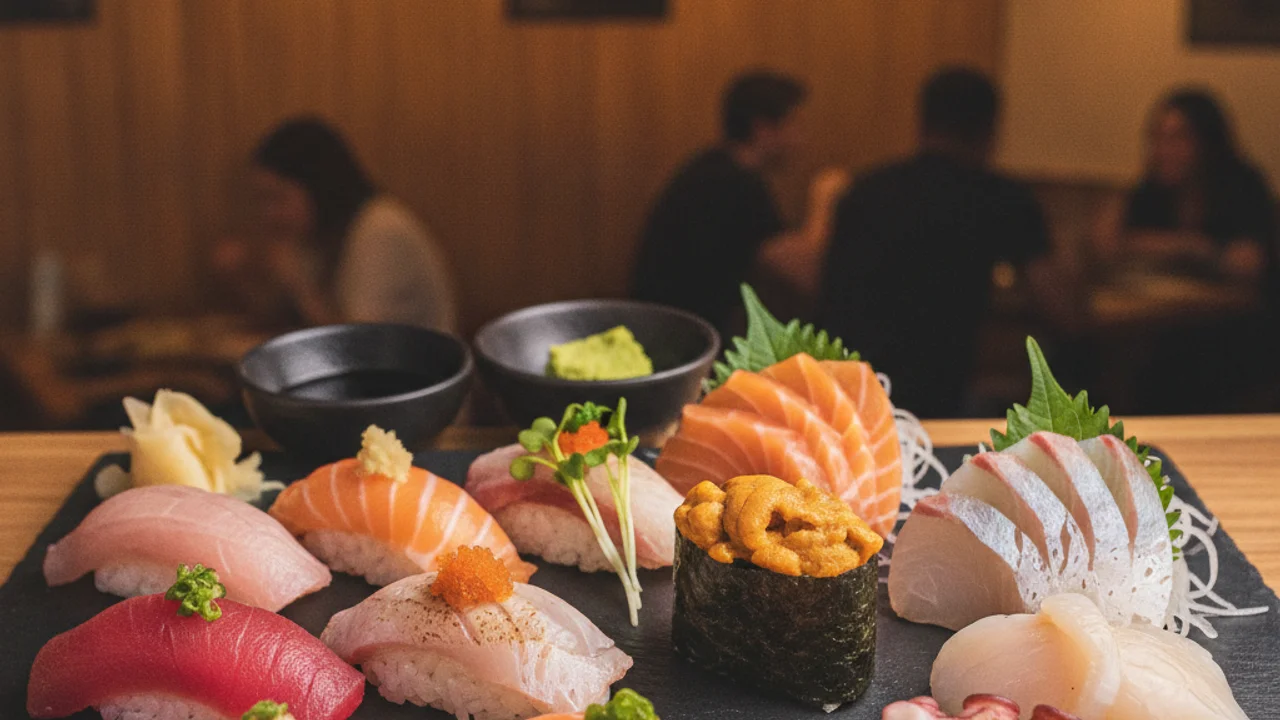
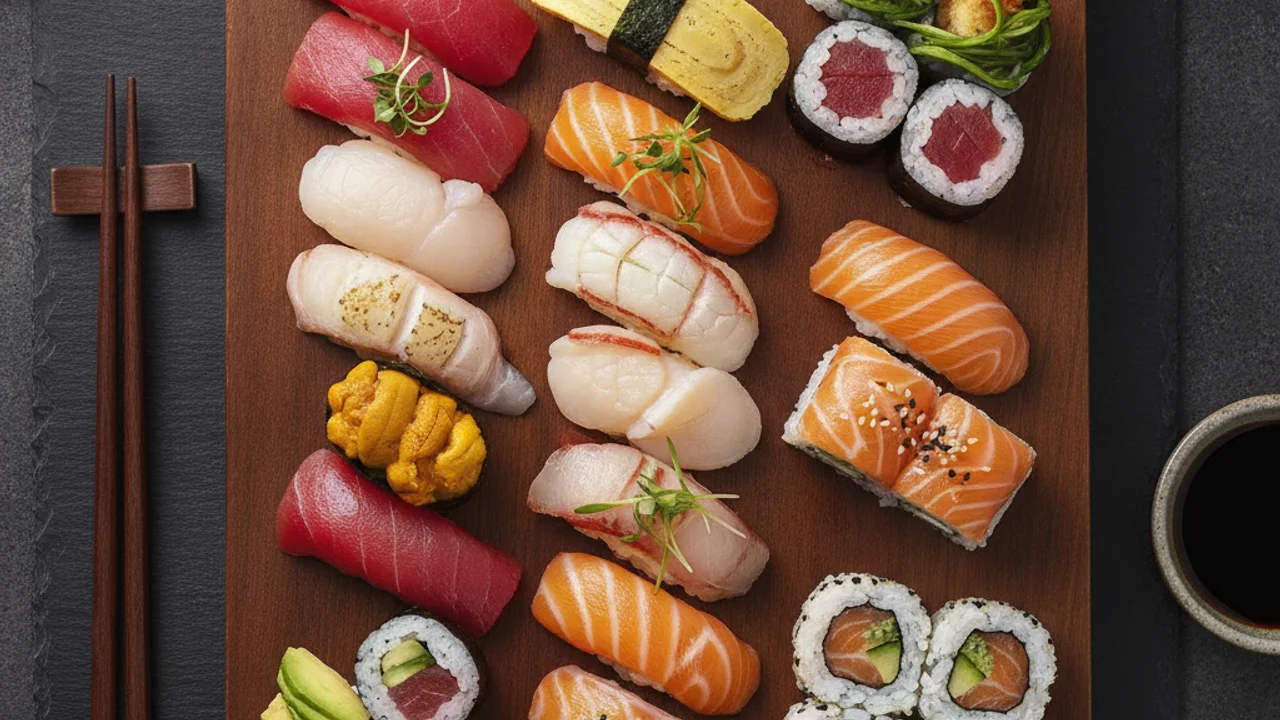
Nigiri is hand-pressed rice with fish on top; sashimi is fish alone; maki is rice and filling rolled in nori. Each format has its place, and nigiri is the centrepiece of edomae tradition.
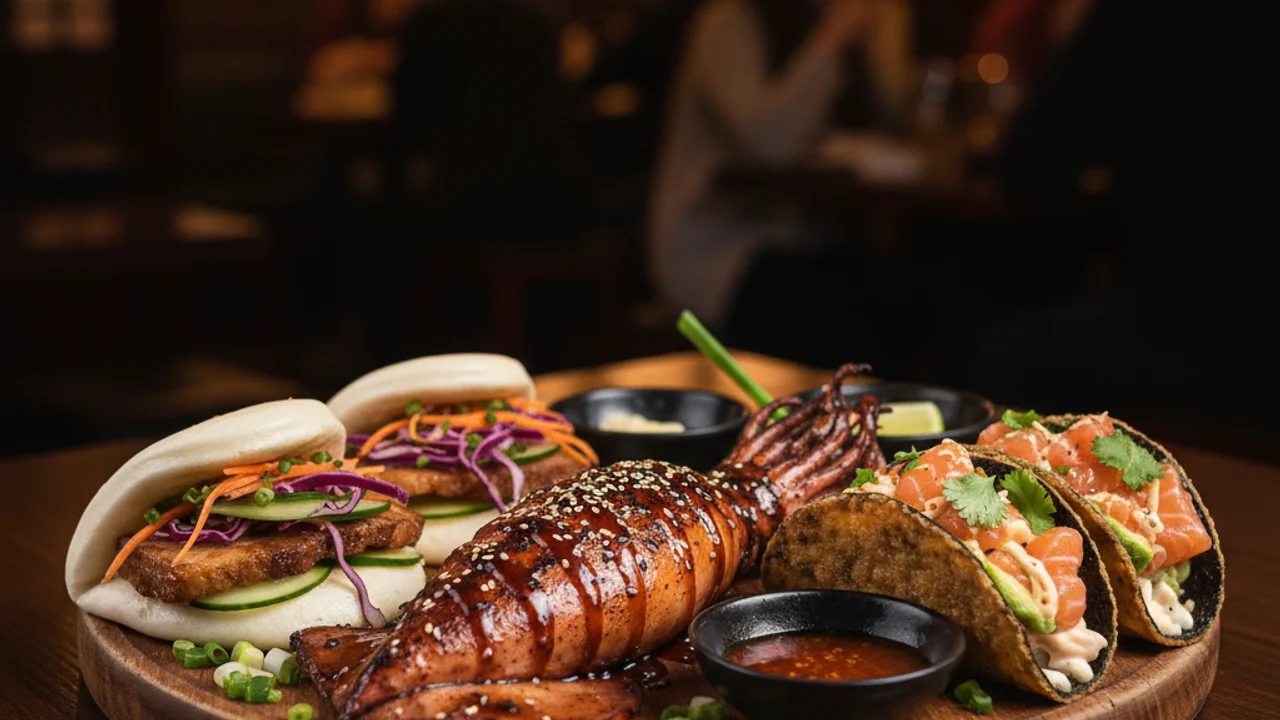
Montréal's Japanese dining scene has matured significantly. The izakaya spirit, shared small plates, an open kitchen, a relaxed atmosphere, and sake or BYOB wine, translates naturally to Québec culture. Aji in Rosemont-La Petite-Patrie is where that spirit meets serious craft.
BYOB in Montréal is governed by a special permit. Most counters charge no corkage fee, but a few simple rules apply: chill your white before you arrive, keep quantities reasonable, and let the staff handle service.