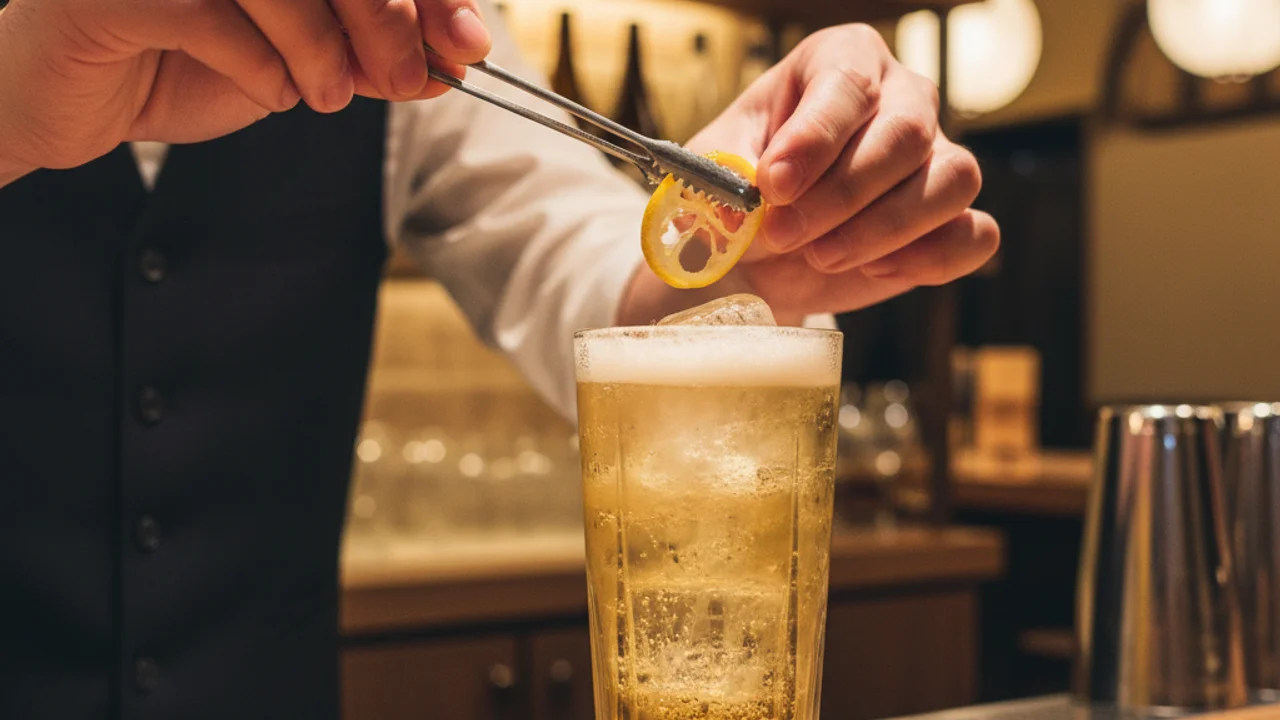
Non-alcoholic options at a Japanese restaurant are not an afterthought and they are not a compromise. The Japanese pantry contains flavors that translate naturally into drinks that hold their own alongside sushi. The challenge is knowing what to look for, and understanding why certain preparations work the way they do.
Non-Alcoholic Dining at Japanese Restaurants
The counter experience at a restaurant like Aji is built around precision: each piece of sushi is seasoned and timed. A beverage that competes with that precision, or that simply fills the glass without contributing anything, misses the point. Non-alcoholic drinks can be chosen with the same intentionality as sake or wine.
The key is understanding what a drink does at the table. It can refresh the palate between bites, complement a specific flavor, provide a contrasting element, or simply offer comfort. Alcohol is one way to deliver those functions. It is not the only way.
Japanese Flavors in Mocktails
Several ingredients from the Japanese pantry translate directly into compelling non-alcoholic drinks.
Yuzu is the most food-friendly. Its tart, aromatic citrus quality functions like a high-end lemon: bright enough to cut through fat, complex enough to add interest. A yuzu soda with a little cold-brewed green tea and sparkling water is both simple and precise. It pairs well with almost any fish.
Matcha brings bitterness and umami, two elements that are also present in the fish and rice at the counter. A cold-whisked matcha thinned with sparkling water, or a matcha lemonade with yuzu, creates a drink with genuine structure and a long, clean finish.
Shiso, the aromatic herb that appears as a garnish on many sushi preparations, also works as a drink ingredient. Muddled shiso with citrus and sparkling water produces a herbal, slightly minty, distinctly Japanese profile. It is particularly good alongside lighter fish such as sea bream or flounder.
Umeshu-inspired preparations mimic the tart-sweet plum liqueur without the alcohol. Ume juice or extract, a small amount of simple syrup, and sparkling water or cold hojicha as a base produces a drink that is sweet-sour, refreshing, and unmistakably Japanese.
Japanese Teas as Pairing Tools
Tea is the oldest companion to Japanese food, and it remains one of the most useful non-alcoholic pairings at the counter.
Sencha, Japan's everyday green tea, is grassy and vegetal when hot. Cold-brewed sencha, steeped in cold water for several hours, is gentler and less bitter, with a clean, refreshing quality that pairs naturally with delicate fish. It is not bold, but that is precisely the point alongside subtle flavors.
Hojicha is roasted green tea, and it is the most food-versatile of the Japanese teas. The roasting process removes much of the caffeine and replaces the raw vegetal notes with warm, toasty, faintly caramel qualities. Served cold, it is particularly good alongside fatty fish, grilled preparations, and anything with a savoury glaze.
Genmaicha, green tea blended with roasted rice, has an earthy, nutty character that recalls the roasted notes of atsukan sake without any alcohol. It is a warming, grounding option that works well with a full sushi meal from start to finish.
Sake for Beginners: Everything You Need to KnowUnderstand the alcoholic side of Japanese beverage culture for context.Sparkling and Still Water Pairings
Water is undervalued as a pairing companion at the sushi counter, but its role is real. A light, mineral sparkling water cleanses the palate effectively between pieces without introducing any competing flavor. Its effervescence removes residual fat from soy sauce and fish oil, resetting the palate in a way that still water does more slowly.
Still water is the right choice during the meal itself, between sips of tea or a richer mocktail. It hydrates without interfering. The temperature matters: ice-cold water alongside warm sushi rice can feel jarring. Room-temperature or lightly chilled still water is a more comfortable companion at the counter.
Which Japanese tea is best suited to pairing with fatty fish like salmon or tuna?
Matching Drinks to Fish Type
A practical approach to non-alcoholic pairing at the sushi counter follows the same logic as wine pairing: match intensity to intensity, and use acidity or bitterness to cut through fat.
- Delicate white fish (sea bream, flounder, halibut): cold-brewed sencha, yuzu sparkling water, still mineral water. The goal is freshness without competition.
- Lean tuna (akami): matcha lemonade, cold sencha. The bitterness of matcha complements the clean, iron-tinged flavor of lean tuna.
- Fatty fish (salmon, otoro, hamachi): cold hojicha, yuzu soda, shiso sparkling water. Acidity and roasted notes cut through the fat.
- Shellfish (scallop, shrimp, clam): yuzu sparkling water or a shiso-citrus preparation. Bright and clean, matching the sweet mineral quality of shellfish.
- Uni and ikura: cold genmaicha or plain sparkling water. These ingredients are already intensely flavored: a neutral or earthy companion is best.
- 1Japanese cuisine has a rich palette for non-alcoholic drinks: yuzu, matcha, shiso, hojicha, and ume.
- 2Cold-brewed sencha is clean and vegetal, ideal alongside delicate white-fleshed fish.
- 3Hojicha, roasted and low-caffeine, pairs naturally with fatty fish and savoury preparations.
- 4Sparkling water is an underrated palate cleanser between sushi pieces.
- 5Match drink intensity to fish intensity: bright and citrus for delicate fish, earthy and roasted for fatty fish.
Drinking well without alcohol at a Japanese counter is not a limitation. It is a different set of tools, drawn from the same pantry that produces the food, and used with the same intention.
Come explore the full beverage experience at Aji, alcoholic or not.
Make a reservation