Most sake lists in North America present a handful of names without much explanation. Knowing what those names mean, and what they predict about flavor, turns a guessing game into a considered choice. The Japanese classification system is one of the most legible in the world of fermented beverages: two variables, six categories, and a clear logic.
The Classification System
Japan's National Tax Agency regulates sake classification. The two criteria that determine a sake's category are:
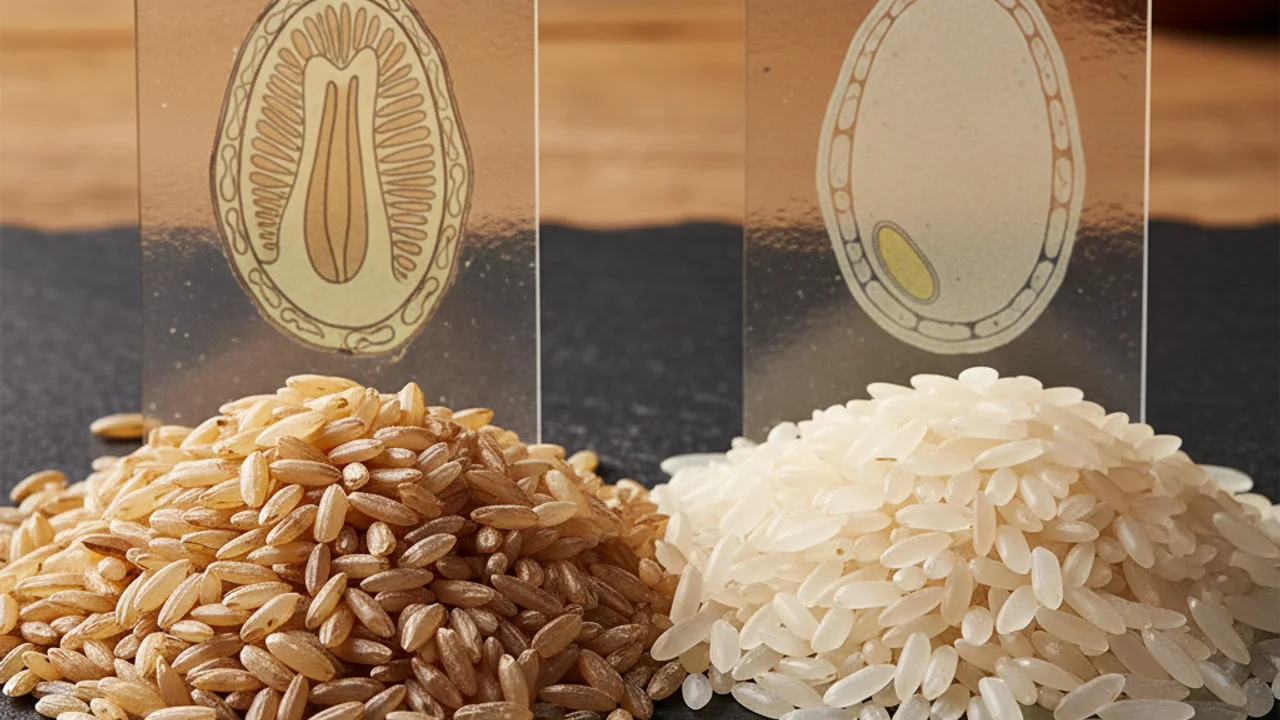
- Seimaibuai: the rice-polishing ratio. Expressed as the percentage of the original grain that remains after milling. A seimaibuai of 70% means 30% was removed. Lower numbers indicate more aggressive polishing and, generally, a lighter and more aromatic profile.
- Added alcohol: whether a small amount of distilled brewer's alcohol is added before pressing. When no alcohol is added, the sake earns the junmai prefix, meaning pure rice.
These two levers produce six regulated premium categories. Sake that falls outside these standards is sold as futsu-shu, ordinary sake, which represents the bulk of production by volume but rarely appears on serious restaurant lists.
Junmai and Honjozo
At the base of the premium hierarchy are two categories with no minimum polishing requirement beyond a threshold of 70% seimaibuai.
Junmai is brewed with rice, water, koji, and yeast only. No distilled alcohol is added. The flavor profile tends to be fuller-bodied, savoury, and umami-forward. Acidity is typically present. Junmai sake pairs particularly well with richer, fattier fish and with cooked preparations.
Honjozo adds a small and legally regulated amount of distilled brewer's alcohol, usually no more than 116 liters per metric ton of rice. The purpose is technical: the added alcohol helps extract aromatic compounds during pressing and lightens the final body. The result is cleaner and drier than junmai, with a crisper finish. Honjozo is excellent cold or lightly warmed.
Ginjo and Daiginjo
The ginjo tier introduces a polishing floor. For a sake to carry the ginjo label, the rice must be polished to at least 60% remaining, meaning at least 40% of the outer grain is removed. Daiginjo raises that bar to 50% remaining.
This level of polishing removes fats and proteins from the outer layers of the grain, which produce heavier, more rustic flavors. What remains is a purer starchy core. The result, when brewed at low temperatures by skilled toji, the master brewer, is a sake with delicate fruit and floral aromatics: pear, melon, white peach, apple blossom.
These categories also exist in junmai versions. Junmai ginjo means no added alcohol and rice polished to 60% or more. Junmai daiginjo means no added alcohol and 50% or more. These two command the highest prices and the most technical attention in the brewery.
Sake for Beginners: Everything You Need to KnowHow sake is made, what koji does, and how to read a sake list for the first time.The Six Regulated Categories
Here are the six premium designations, in order of polishing intensity:
- Junmai (no added alcohol, no minimum polish beyond 70%): full, savoury, earthy. Good warm or cold.
- Honjozo (added alcohol, max 70% seimaibuai): clean, dry, versatile. Excellent lightly warmed.
- Junmai Ginjo (no added alcohol, max 60% seimaibuai): fruity and structured, with more body than non-junmai ginjo.
- Ginjo (added alcohol, max 60% seimaibuai): aromatic, light, and elegant. Served cold.
- Junmai Daiginjo (no added alcohol, max 50% seimaibuai): refined, complex, often the showcase bottle at a brewery.
- Daiginjo (added alcohol, max 50% seimaibuai): the most delicate and aromatic category. Served cold, in good glassware.
What seimaibuai is required for a sake to be classified as ginjo?
Practical Guidance at the Table
Classification predicts flavor tendencies, not absolute quality. A well-made junmai from a great brewery will consistently outperform a carelessly produced daiginjo. Use the categories as a starting point, then let the recommendation of a knowledgeable server take you the rest of the way.
For food pairing, delicate ginjo and daiginjo shine alongside white-fleshed fish, shellfish, and lightly seasoned preparations. Junmai sake, with its greater body and umami, handles fattier fish, grilled dishes, and richer flavors more comfortably. Honjozo occupies a versatile middle ground and works reliably across a full meal.
Japanese Mocktails: Drinking Well Without Alcohol at AjiJapanese cuisine offers a rich palette for non-alcoholic drinks: yuzu, matcha, shiso, hojicha, and umeshu-inspired preparations all pair nat- 1Two variables define sake classification: seimaibuai (rice-polishing ratio) and whether distilled alcohol is added.
- 2Junmai means pure rice, no added alcohol. It tends to be fuller-bodied and savoury.
- 3Honjozo adds a small amount of distilled alcohol for a lighter, cleaner result.
- 4Ginjo requires rice polished to at most 60% remaining; daiginjo requires 50% or less.
- 5Classification predicts flavor tendencies, not absolute quality: producer and vintage matter too.
The six categories are a map, not a verdict. They tell you where a sake starts; the brewer's skill, the rice variety, and the water source determine where it ends up. The counter at Aji is a good place to test the theory.
Discover our rotating sake selection at the Aji counter, 929 Saint-Zotique Est.
Make a reservation