Some of the most extraordinary pieces at a sushi counter are also the ones that give first-time diners the most pause. The gleaming orange tongues of uni, the glistening red pearls of ikura, the shimmering mound of tobiko: these are ingredients that reward curiosity and punish hesitation. Here is what each one is, when it is at its best, and how to eat it without overthinking.
Uni: Sea Urchin at the Counter
Uni is the Japanese culinary name for sea urchin gonads: the reproductive organs of sea urchins belonging to the class Echinoidea. The term "roe" is sometimes used loosely, but technically, what you eat is not the eggs but the lobes that produce them. Five of these lobes are the edible portion of each urchin.
The texture is unlike anything else at the sushi counter: creamy, almost custard-like, dissolving slowly rather than giving a clean bite. The flavour ranges from sweet and oceanic, like a concentrated essence of the sea, to assertive and complex depending on the species, the origin, and the season. The finest Japanese uni, particularly from Hokkaido, has a sweetness and depth that first-time tasters find genuinely surprising.
Uni at the sushi counter is served most commonly as gunkan-maki: a small oval of seasoned rice wrapped in nori with the uni nestled on top. It can also be served as nigiri, pressed gently against the rice without the nori collar, or as a standalone sashimi piece.
When Uni Is Worth Ordering
Uni quality varies enormously by season. Out-of-season uni can taste bitter, watery, and sharp, with none of the sweetness that makes it special. In-season uni from a responsible source is a different ingredient entirely.
Hokkaido bafun and murasaki uni are generally considered at their best in summer, when the cold northern Japanese waters keep the urchins slow, fat, and flavourful. California red sea urchin (Strongylocentrotus franciscanus), a common North American supply source, peaks in winter. Maine uni has its own seasonal window, typically autumn through early spring.
At a serious counter, the chef will not serve uni when it is not at its best. If uni is on the omakase that day, it is because the current stock is worth it.
Seasonal Fish in Japanese Cuisine: The Concept of ShunHow peak season drives flavour decisions at the Aji counter.What part of the sea urchin is eaten as uni?
Ikura: Salmon Roe
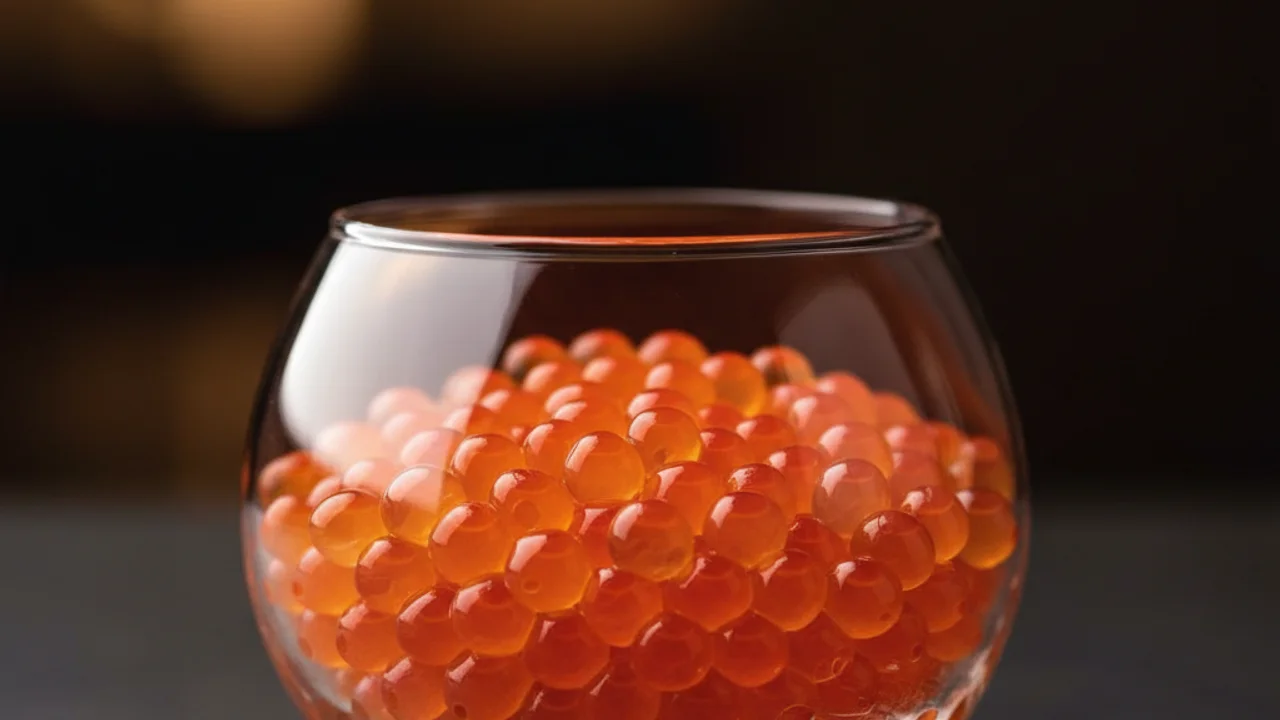
Ikura is salmon roe that has been separated from the skein (the membrane holding the eggs together) and cured. The standard cure uses soy sauce, mirin, and sometimes sake: the eggs are soaked for several hours or overnight, absorbing the seasoning while firming their membranes.
The result is a striking ingredient: large, perfectly spherical eggs with a translucent orange skin that bursts cleanly on the tongue, releasing a concentrated, salty, umami-rich liquid. The flavour is oceanic and assertive, the texture immediately satisfying. Fresh ikura, cured the same day the roe is harvested, is considered superior to product that has been held for days.
At the sushi counter, ikura appears most commonly as gunkan-maki, where the nori collar contains the eggs on top of the rice. It is also served occasionally in a small bowl over rice (ikuradon), and as a topping on other preparations. Ikura season in Japan corresponds to salmon spawning runs in autumn, when the roe is at its freshest and most abundant.
Tobiko and Masago
Tobiko is the roe of the flying fish (genus Exocoetus). The eggs are small, firm, and distinctly crunchy, with a mild brininess and a natural vivid orange colour. Their texture is their defining quality: each egg pops cleanly and distinctly, providing a contrast of sensation alongside the softness of rice and fish.
Tobiko is sometimes flavoured and dyed, appearing in black (with squid ink), green (with wasabi), or red (with beet). The natural version is the most common at serious counters. It is used both as a nigiri topping and as a finishing element on rolls and other preparations.
Masago is the roe of capelin or smelt (Mallotus villosus), a smaller and more affordable product. The eggs are softer and smaller than tobiko, with a milder, less complex flavour. Masago is frequently used as a substitute for tobiko in less precise contexts. At a serious sushi counter, the two are distinguished and used deliberately: tobiko where crunch and flavour complexity are wanted, masago where a lighter presence is appropriate.
How to Approach These at the Counter
The most important piece of advice for approaching uni, ikura, and tobiko at the sushi counter is this: eat each piece promptly and without reservation. These are not ingredients that benefit from being examined before you eat them. Uni begins to lose its delicacy within minutes of being plated. Ikura gunkan becomes soggy if the nori sits.
If you have not tried uni before, ask the chef to introduce it at the right moment in the meal. A skilled omakase chef will place uni after a few lighter pieces, when your palate is engaged but not yet fatigued. This is the moment when its sweetness and complexity land with the most clarity.
If you are uncertain about any of these ingredients, say so at the counter. A good chef welcomes the conversation. At Aji, the team can walk you through each one, suggest a starting point, or adjust the sequence based on what you are comfortable with.
Bluefin vs. Yellowfin Tuna: What's the Difference?The cuts, the fat content, and what drives the flavour of each tuna species.Fresh vs. Frozen Fish for Sushi: The TruthFor most sushi fish, flash-freezing at very low temperatures is both a food safety requirement and a quality preservation method. 'Fresh' is- 1Uni is sea urchin gonads: creamy, oceanic, and intensely seasonal. Quality varies enormously by source and time of year.
- 2Ikura is salmon roe cured in soy and mirin: bursting, salty, and rich in umami. Fresh-cured is best.
- 3Tobiko (flying fish roe) is larger and crunchier than masago (smelt roe) with a more complex flavour.
- 4Eat gunkan-maki pieces immediately and in one bite. These ingredients do not wait.
- 5Ask the chef to introduce uni at the right moment in the omakase. Timing is part of the experience.
These ingredients sit at the edge of what many diners are comfortable ordering on their own. That edge is exactly where the most interesting eating happens. At Aji, the counter is the right place to cross it.
Ready to try uni, ikura, or tobiko for the first time? Book a seat at the counter and let the chef guide the order.
Make a reservation