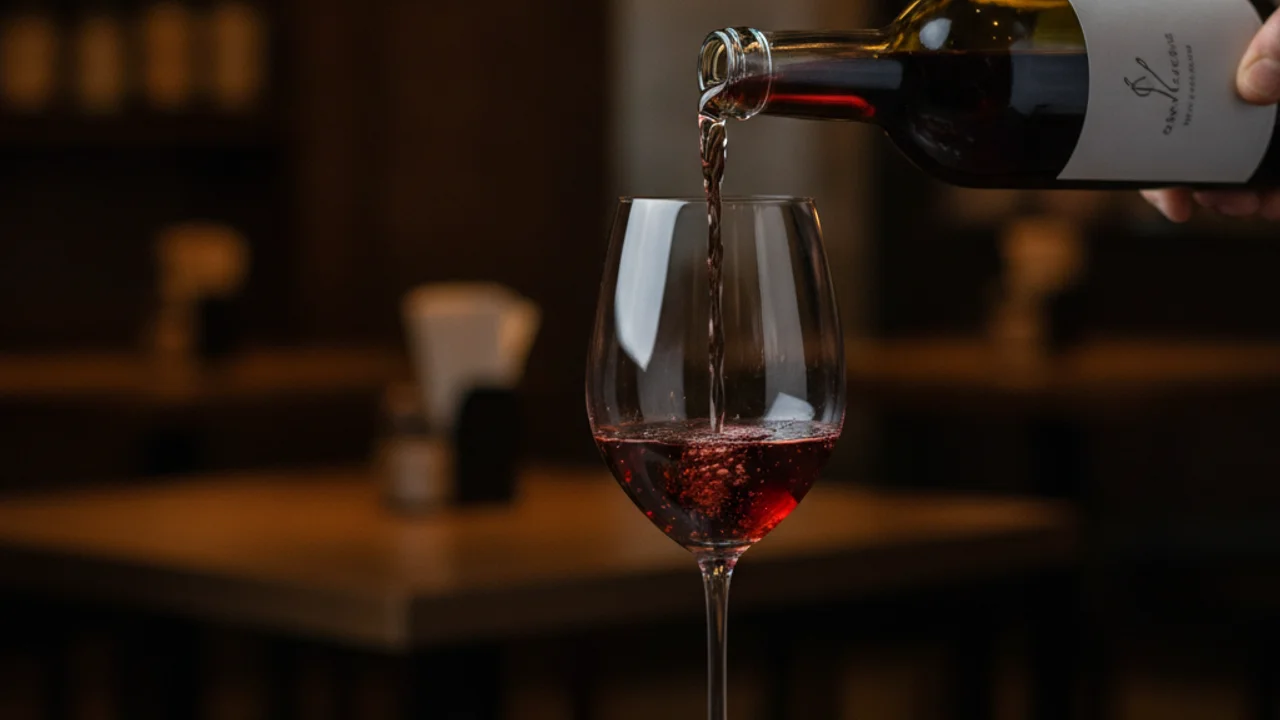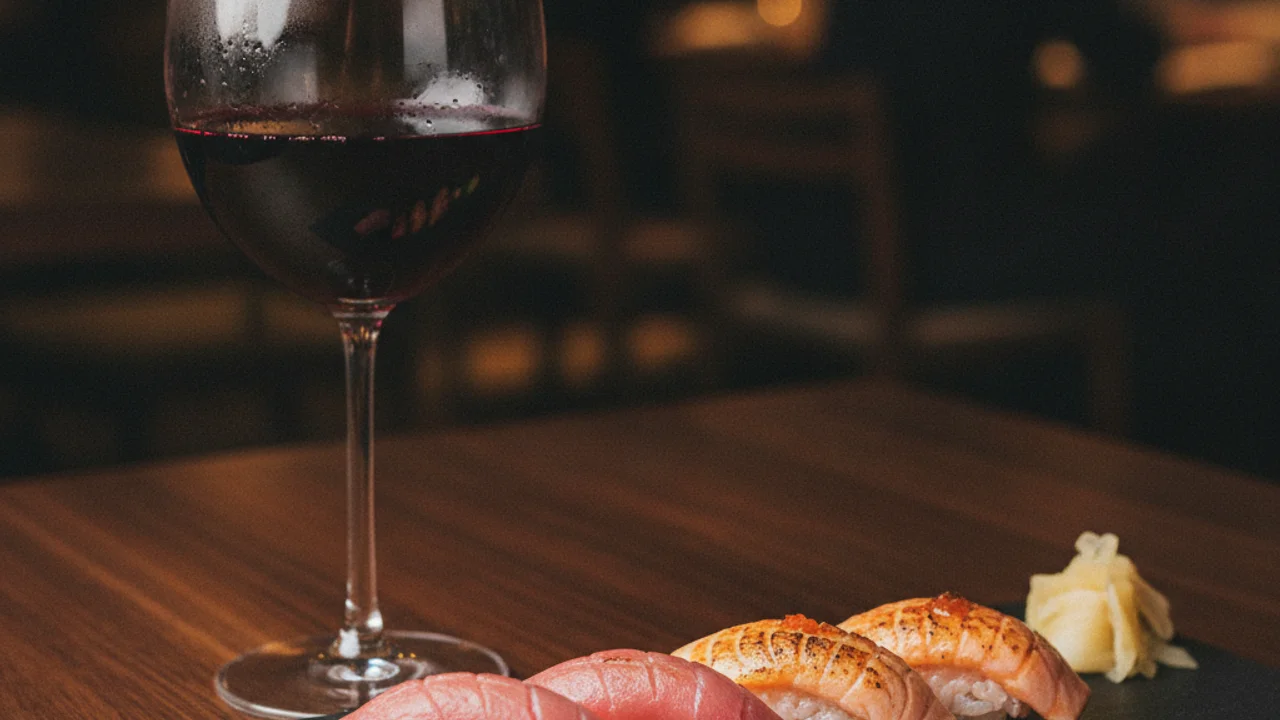
This is one of the questions that comes up most often when people talk about pairings with Japanese cuisine. We have repeated so many times that sushi calls for a crisp white or a sake that we forget to ask the real question: why would red be off-limits? The answer is more nuanced than a flat no. Red is not the enemy of sushi, the wrong red is. And the difference between the two comes down to a single element that many enthusiasts underestimate.
The short answer: yes, but
Forget the idea that red is automatically forbidden. The classic rule, white with fish and red with meat, is a useful guideline, not a law. What truly matters is not the color of the wine but its structure. A red can accompany a plate of sushi very well if you choose it light, fresh and fruity, and if you match it with the right pieces. The nuance is essential: you would never serve the same red on a delicate sea bream nigiri as on a skewer of grilled wagyu.
The trick is to think in terms of weight and texture rather than category. The richer, fattier, more grilled or more glazed the piece, the better it handles, and sometimes craves, a wine with a bit of body. Conversely, the more raw, lean and delicate the fish, the riskier red becomes. Seeing red as a targeted option rather than a one-size-fits-all choice changes everything.
The real problem: tannins
If some reds clash with raw fish, it is above all a matter of chemistry, not personal taste. Tannins come from the skin, the seeds and sometimes the stems of the grape, as well as from time in oak barrels. They are what give that astringent sensation, that drying-out feeling in the mouth, in a full-bodied Cabernet Sauvignon or Syrah. On contact with the iodine and fat of raw fish, those tannins produce a distinctly unpleasant metallic bitterness.
Add to that the fact that many powerful reds also carry high alcohol and oaky aromas that smother marine flavors. Raw fish works in subtlety: a sea-butter note, a hint of iodine, a melting sweetness. An overbearing red wipes all of that away. So the solution is not to ban red, but to choose a wine where the tannins stay discreet and the fruit takes the lead.
The reds that work
The watchword is simple: light, low in tannin, fruity and fresh. Pinot Noir is the absolute benchmark. Whether it comes from Burgundy, Alsace or Niagara, its silky texture, lively acidity and fine tannins make it a surprisingly supple companion for richer pieces. It is the red to reach for first if you hesitate.
Gamay, the Beaujolais grape, is another standout ally. A Beaujolais-Villages or a light cru such as a Fleurie offers bright, almost crunchy fruit with very little tannin. Served chilled, it has the drinkability of a white while bringing the roundness of a red. Cinsault, often made as a light red or a rosé in southern France, plays in the same airy register.
On the discovery side, Sicilian Frappato charms with its floral freshness and thirst-quenching lightness. In the Loire, a light Chinon made from cabernet franc can work if you pick a supple vintage without excess tannin. What all these wines share: you can chill them without losing their soul, and their fruit converses with the food instead of crushing it.
Wine and sushi pairing: the combinations that workThe complete guide to whites, sparkling wines and light reds, piece by piece.The pieces that call for red
Red does not belong everywhere. It shines with pieces that are rich, grilled, seared or glazed. Unagi eel, coated in its sweet-savory sauce, is a textbook pairing with Pinot Noir. Aburi, that torched fish whose surface caramelizes slightly, gains depth alongside a light red. Akami tuna or maguro, meatier and less briny than white fish, also handles the fruit of a Gamay very well.
When it comes to hot and izakaya dishes, the ground becomes even more favorable. Yakitori skewers, teriyaki, duck, wagyu or grilled beef, tamago and even sautéed mushroomsnaturally call for a red. The sweetness of the glaze and the char of the grill echo the fruit and roundness of the wine.
Conversely, keep red away from delicate white fish such as sea bream or bass, from very briny seafood like sea urchin and oysters, and from very fatty raw pieces. On these fine flavors, even a light red risks taking over. That is where the crisp white, the sparkling wine or the sake regain the advantage.
Service and BYOB strategy
Aji is a BYOB counter: you bring your bottle, the team handles the service and the glasses. That freedom changes the way you think about the pairing. If you are set on red, deliberately choose a light, low-tannin wine and ask to have it chilled a good fifteen minutes before serving. A light red is best enjoyed between 12 and 14 degrees, noticeably cooler than room temperature. That simple chill softens the wine and tightens its fruit.
A strategy that works well: bring two modest bottles rather than one ambitious one. Start the meal with a crisp white or a sparkling wine for the delicate pieces, then switch to your light red when the eel, the aburi or the grilled dishes arrive. You follow the natural progression of the menu, from most delicate to richest, without ever overwhelming a flavor. Begin by pouring small amounts and taste before you fill: a pairing is confirmed in the mouth, not on paper.
Sake or white wine: which to choose with sushi?A head-to-head comparison to decide what to slip into your bag before you leave.What wine should you bring to a Japanese restaurant?Budget, grapes and safe bets so you never go wrong in front of the SAQ shelf.- 1Red works with sushi if you choose it light, low in tannin and fruity.
- 2Tannins, from skin and seeds, create a metallic sensation with raw fish.
- 3Pinot Noir, Gamay, Cinsault, Frappato and light Chinon are the best choices.
- 4Save red for rich, grilled pieces: eel, aburi, tuna, teriyaki, wagyu.
- 5Serve red chilled between 12 and 14 degrees, and keep a dry rosé as a compromise.
Drinking red with sushi is therefore nothing heretical: it is a matter of common sense and the right choice. Think light rather than powerful, fresh rather than warm, fruity rather than oaky, and match every glass to the right piece. The bottle you bring to Aji is part of the meal just as much as the chef's work: choose it with the same care, and red will find its place at the counter quite naturally.
Book your seat, bring a light red you love, and let the service handle the rest.
Book a table