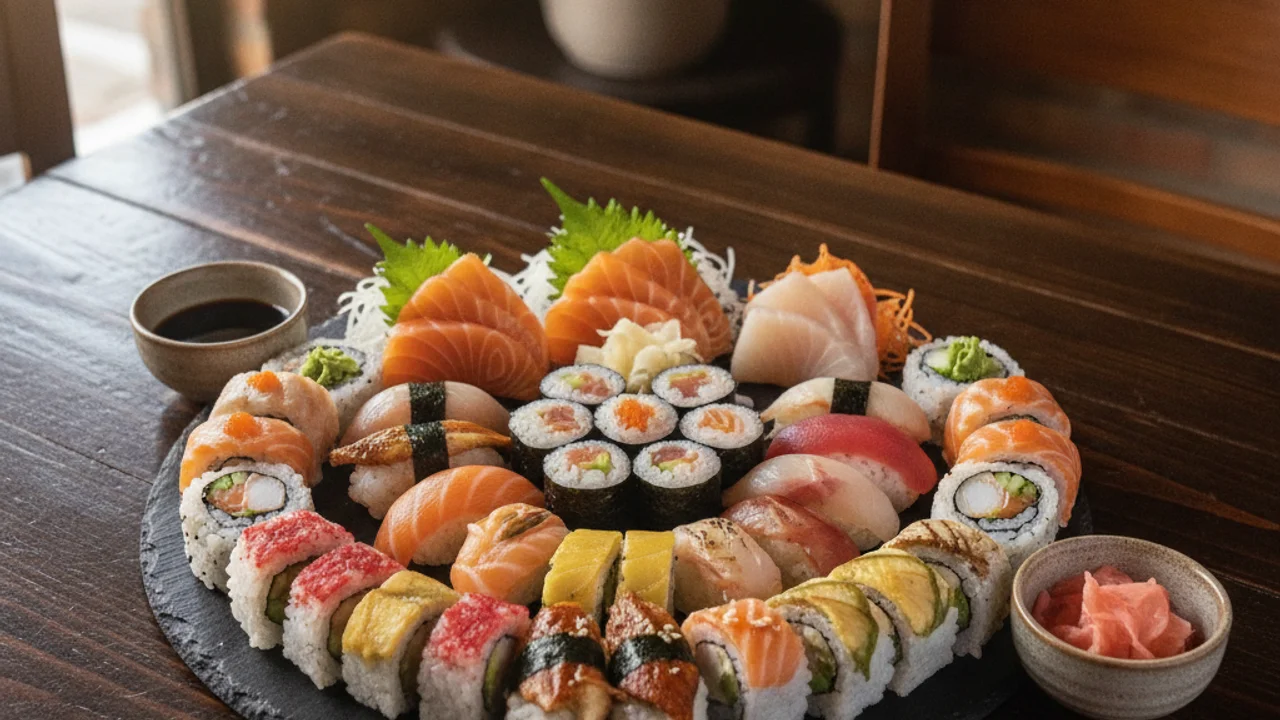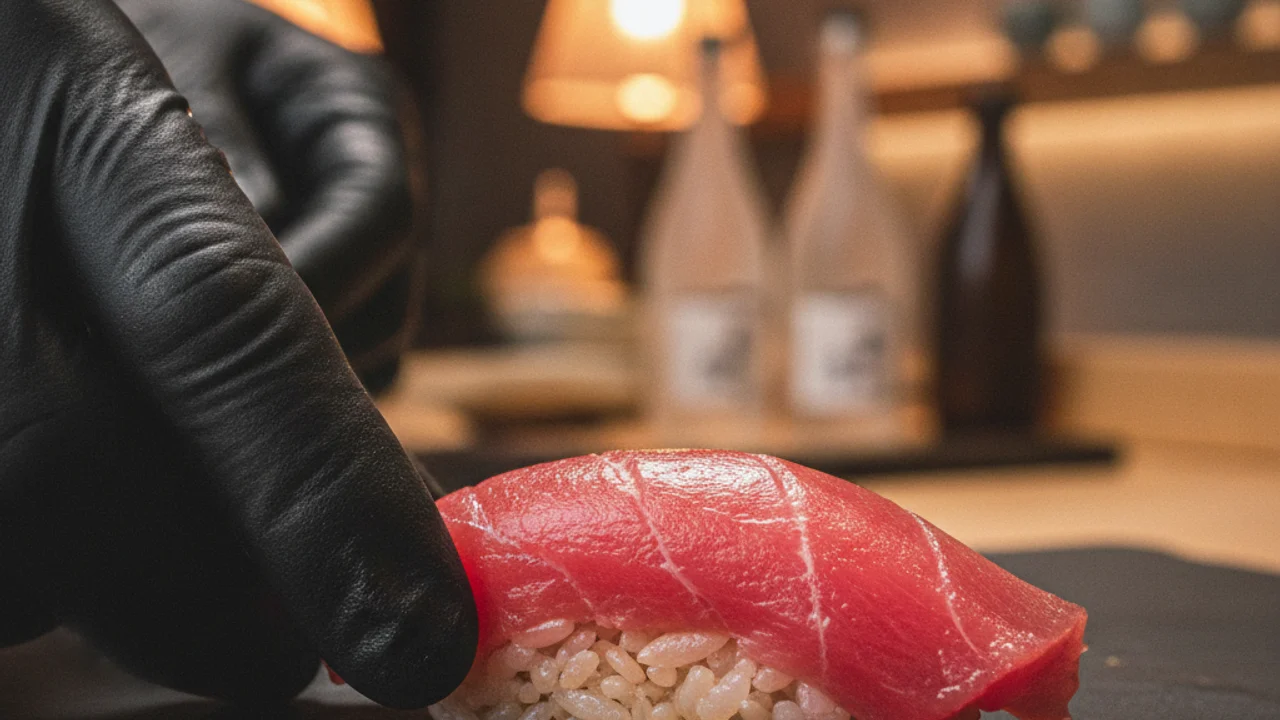
It’s a familiar scene: a beautifully prepared plate of sushi arrives at your table. Then, the hesitation begins. Do you try to pick up those delicate pieces with chopsticks, risking a complete collapse, or do you use your fingers and risk looking rude? It's one of the most common questions in the world of Japanese cuisine.
At Aji Bar Sushi & Izakaya, in the heart of Montreal's Rosemont-La Petite-Patrie, Chef Yamamoto and his team believe that enjoying sushi is a complete experience. Far from being a simple matter of preference, the choice between fingers and chopsticks is tied to tradition, the type of sushi, and respect for the product. This guide is here to clear things up, simply and without pretense.
- Address
- 929 Saint-Zotique St E, Montreal, QC H2S 1M9
- Phone
- 514 272 2929
- Neighborhood
- Rosemont-La Petite-Patrie
- Specialty
- Bring Your Own Wine (BYOW)
- Chef
- Chef Yamamoto
The Origin of the Practice: A Look Back at Tradition
To understand the proper method, we have to go back to the origins of sushi. During Japan's Edo period, sushi was a quick snack, a kind of 'fast food' sold from street stalls. It was eaten on the go, with one's hands. It was practical, direct, and allowed people to appreciate the texture of the fish and rice.
This tradition has endured. Eating nigiri with your fingers is therefore not only accepted, but it is also a tribute to sushi's history. It's a gesture that signifies a direct connection with the food and an appreciation for the chef's artisanal work.
Chopstick Etiquette at the Sushi BarThe Case for Fingers: Why It's Best for Nigiri
Nigiri, that slice of fish gently placed on a bed of vinegared rice, is the centerpiece where fingers are most appropriate. Using your fingers (typically the thumb, index, and middle finger) provides far greater control than chopsticks.
This allows you to grasp the piece firmly without compressing it. You can then easily turn it over to lightly dip the fish side, not the rice, into the soy sauce. The carefully prepared rice is airy; if it gets soaked in sauce, it will fall apart and its flavor will be masked. By using your fingers, you preserve the perfect balance of the bite, from temperature to texture, exactly as the chef intended.
When Chopsticks Are Essential
While fingers are perfect for nigiri, chopsticks (hashi) certainly have their place at the table. They are indispensable in several situations. The first and most obvious is for eating sashimi. Since these are slices of raw fish served without rice, chopsticks are the ideal tool to pick them up elegantly.
Chopsticks are also preferable for most rolls (maki), especially if they are cut into small rounds or contain ingredients that might fall out. They are also the only way to pick up pickled ginger (gari) to place it on your plate or eat it between servings.
Gari and Soy Sauce: Using Ginger and Dipping WellOther Golden Rules of Sushi Etiquette
Beyond the fingers vs. chopsticks debate, a few simple rules help show your respect for the cuisine and tradition:
1. **Eat it in one bite:** A piece of sushi is designed to be a balanced explosion of flavors. Eat it all at once if possible.
2. **Don't mix wasabi in your soy sauce:** The chef has already placed the perfect amount of wasabi between the fish and the rice. Trusting the chef is the highest sign of respect. If you want more, add a tiny dab directly onto the fish.
3. **Ginger is a palate cleanser:** The gari is not meant to be eaten at the same time as the sushi. Enjoy a small slice between different types of fish to refresh your mouth.
4. **Don't rub your chopsticks together:** Rubbing your chopsticks implies they are of poor quality and might have splinters. It's a gesture to avoid.
The Aji Experience: More Than Rules, It's About Enjoyment
At Aji Bar Sushi & Izakaya, we are passionate, not rigid purists. Located on Saint-Zotique Street East, our restaurant is a place of discovery where you can enjoy authentic Japanese cuisine in a relaxed atmosphere. And since we are a 'Bring Your Own Wine' establishment, the experience is all the more convivial.
The most important thing, whether you use your fingers or chopsticks, is to take the time to taste, to appreciate the freshness of the ingredients and the complexity of the flavors. Never hesitate to ask our staff questions. We are here to guide you and share our love for sushi. After all, the most important thing is the pleasure you take in your meal.
- 1Nigiri is traditionally eaten with fingers for better control and to respect its texture.
- 2Chopsticks are reserved for sashimi, certain maki rolls, and for handling ginger.
- 3Always dip the fish side into the soy sauce, never the rice.
- 4The main goal is to preserve the integrity and flavor of each piece prepared by the chef.
- 5Etiquette is important, but the enjoyment of the meal comes first.