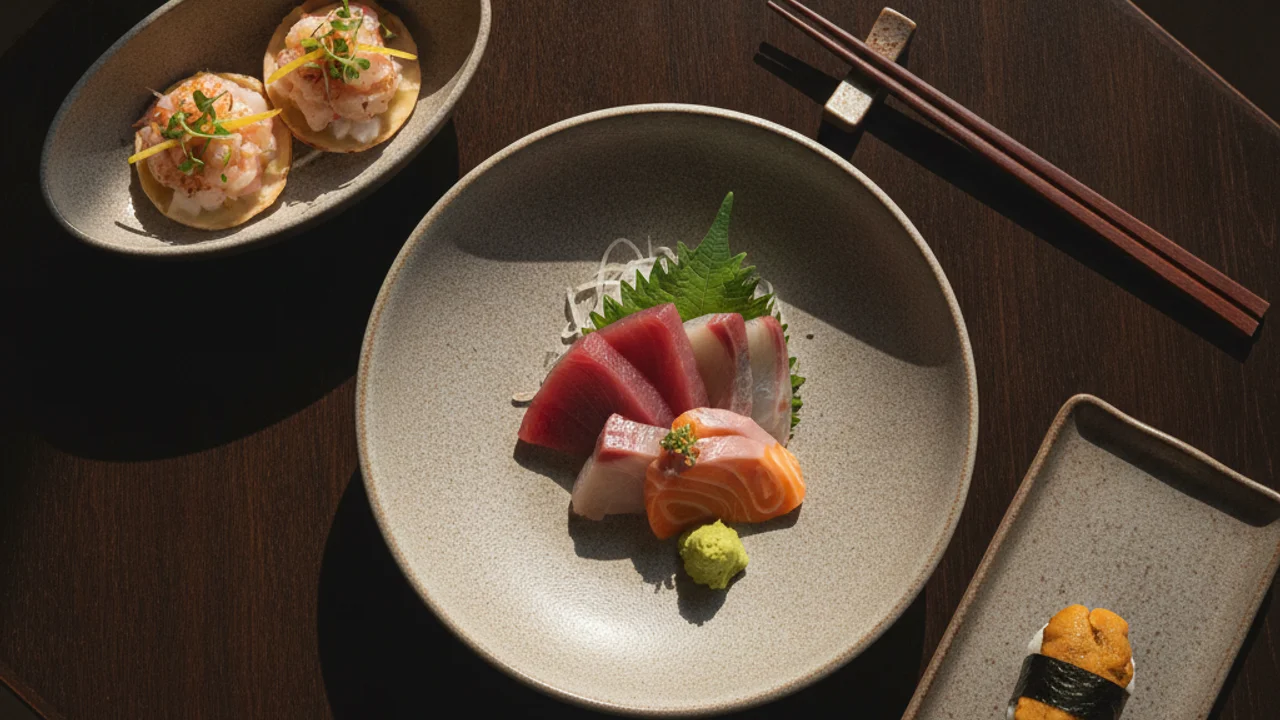
The Japanese phrase 'omakase' (お任せ) translates to 'I'll leave it up to you.' It's more than a saying: it's an invitation to trust, a quiet dialogue between a guest and a sushi chef. Instead of choosing from a menu, you give the artist 'carte blanche' to compose a symphony of flavors based on the freshest ingredients available and their inspiration of the moment.
In Montreal, this authentic tradition is alive and well, offering an intimate and memorable culinary experience. But how does an omakase dinner actually unfold, and more importantly, how much should you expect to pay? This guide answers all your questions.
- Omakase Price Range (Montreal)
- $100 - $300+ per person
- Restaurant
- Aji Bar Sushi & Izakaya MTL
- Address
- 929 St-Zotique St E, Montreal, QC H2S 1M9
- Special Feature
- Bring Your Own Wine (BYOW)
- Reservation
- Essential (Call 514 272 2929)
What Exactly Is an Omakase Meal?
At the heart of omakase lies a relationship of trust. You don't order; you receive. The chef becomes your culinary guide for the evening. They select the finest fish of the day, often flown in directly from Japan, and prepare each piece right before your eyes, serving it at the perfect moment.
Unlike ordering a sushi platter, an omakase is a sequential journey. Each piece is designed to follow the last and prepare the palate for the next, creating a progression of tastes and textures. It's a dynamic experience, often personalized in real-time as the chef observes your reactions to subtly adjust the following courses.
Finding Montreal's Best Omakase: Why Aji Bar Sushi & Izakaya is the Top ChoiceWhat to Expect During a Typical Omakase Dinner
The experience usually begins by taking a seat at the sushi counter, the prime spot for interacting with the chef. This is the stage where the magic happens. The meal often starts with a few 'otsumami': small cooked appetizers or delicate sashimi to whet the appetite.
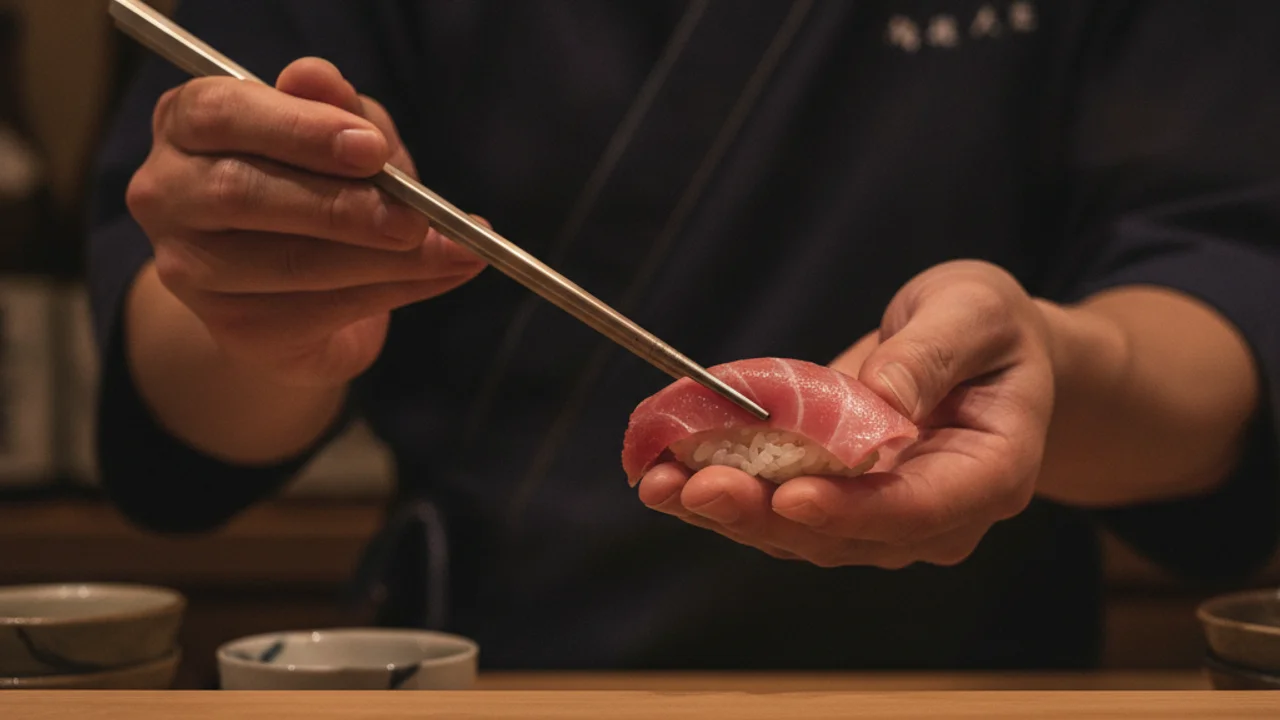
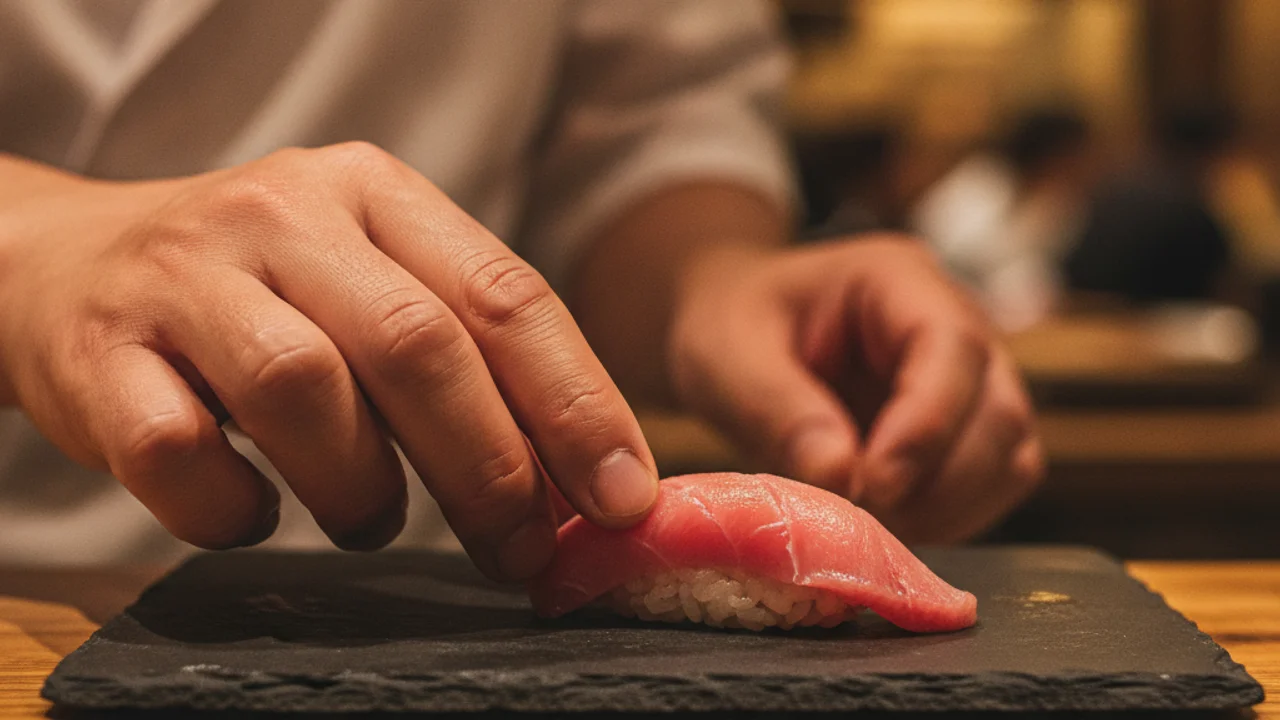
Then, the nigiri ballet begins. The chef shapes the vinegared rice (shari), dabs it with fresh wasabi, and drapes a perfectly cut slice of fish (neta) over it. They might add a light glaze of soy sauce or a subtle garnish. Each piece of nigiri is presented to you individually and should be eaten within seconds to appreciate the ideal temperature and texture.
The pace is measured, allowing you to savor every bite. The chef will announce the name of the fish, its origin, and sometimes a note on its preparation. The meal consists of a dozen to twenty courses, often concluding with a hand roll (maki), miso soup, or a sweet Japanese omelet (tamago).
The Price of Omakase in Montreal: What's the Cost?
This is the central question for many. The cost of an omakase is significantly higher than an à la carte meal for several reasons. First, the quality of the ingredients is exceptional. This often includes rare fish or premium cuts, such as fatty tuna (otoro), sea urchin (uni), or seasonal products imported at great expense.
Second, you are paying for the skill and experience of a highly trained chef. Years of practice are required to master the art of cutting fish, cooking rice, and balancing flavors. Finally, exclusivity comes at a price: omakase counters only seat a few guests per evening, ensuring personalized service.
In Montreal, the price range for an omakase is generally between $100 and over $300 per person, before tax and tip. A significant advantage of certain establishments like Aji Bar Sushi, located at 929 St-Zotique E., is their 'Bring Your Own Wine' (BYOW) policy. This allows you to manage the total cost of the evening by bringing a quality bottle to pair with this exceptional meal, without the typical restaurant markup on alcohol.
Your First Omakase: The Complete GuideCounter Etiquette: Tips for the Best Experience
To have the best possible omakase experience, a few points of etiquette are appreciated. First, trust the chef. Avoid asking for substitutions or specific ingredients, unless for allergy reasons (which you must mention when booking).
Eat the nigiri as soon as it's served. You can use your fingers or chopsticks, whichever you're more comfortable with, but try to eat it in one bite. The chef has already seasoned the sushi with the perfect amount of soy or other condiments, so it's usually unnecessary to add more. If you must use soy sauce, dip only the fish side, never the rice.
Finally, avoid wearing strong perfumes or colognes. They can interfere with the delicate aromas of the food for both you and your neighbours. Omakase is a full sensory experience, and smell is an integral part of it.
- 1Omakase means 'I'll leave it up to you': it's a 'carte blanche' menu where the chef is in control.
- 2The experience is intimate, most often taking place at the counter with direct interaction with the chef.
- 3The price in Montreal ranges from $100 to $300+, justified by premium ingredients and exceptional skill.
- 4Reservations are mandatory due to limited seating and the meticulous preparation required.
- 5BYOW (Bring Your Own Wine) restaurants like Aji Bar Sushi offer an excellent way to enjoy the experience while managing the overall budget.