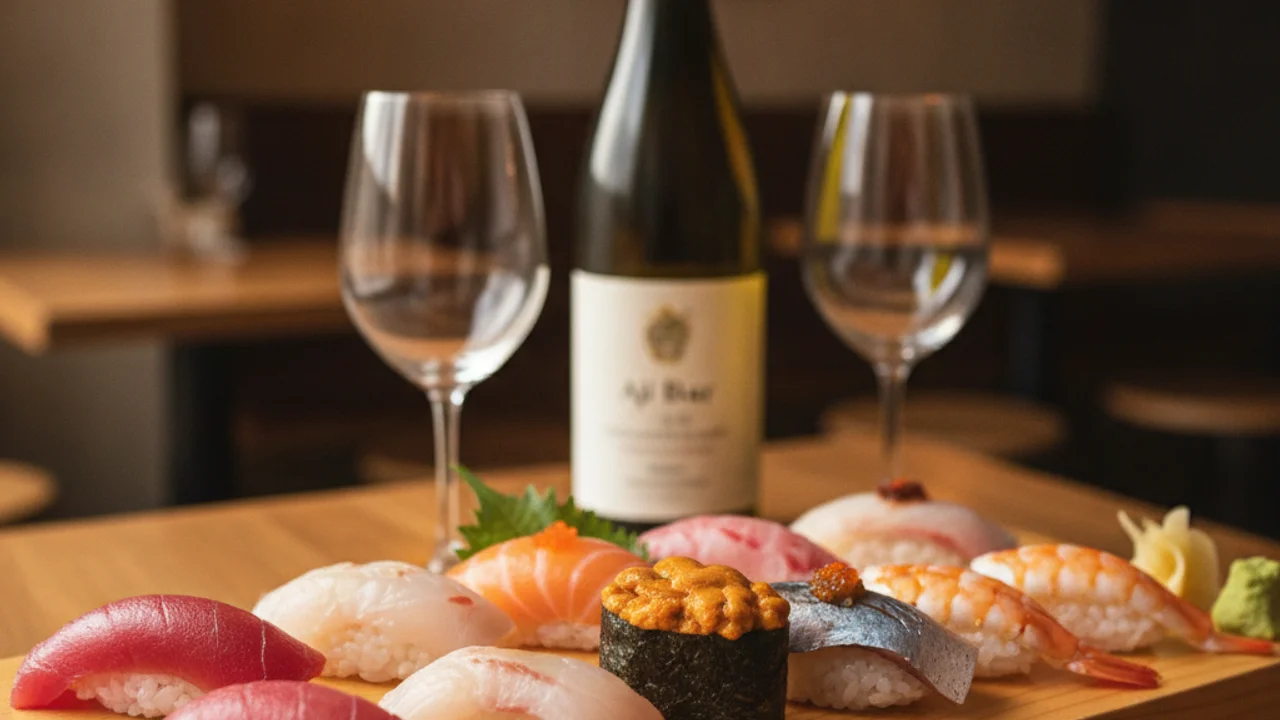
Sushi is everywhere. From grocery store coolers to fine dining restaurants, it has become a global staple. But how do you tell a memorable, artful bite from an ordinary, hastily assembled roll? The difference is vast, and it lies in details that a discerning eye and palate can learn to recognize.
In a city like Montreal, with its celebrated food scene, knowing how to spot quality is key. This guide will equip you with the knowledge to appreciate sushi for what it is at its best: a culinary art form where simplicity belies immense complexity. Let us walk you through the secrets of exceptional sushi, like the kind savored at the hands of passionate artisans such as Chef Yamamoto of Aji Bar.
- Aji Bar Address
- 929 St-Zotique Est, Montréal, QC H2S 1M9
- Phone
- 514 272 2929
- Price Range (Dinner)
- Approx. $80-$120 for two (before wine)
- Special Feature
- Bring Your Own Wine (BYOB)
- Hours
- Tuesday to Saturday, 5 PM à 10 PM
- Signature Experience
- Omakase (Chef's tasting menu)
It's All About the Rice (Shari): The Soul of Sushi
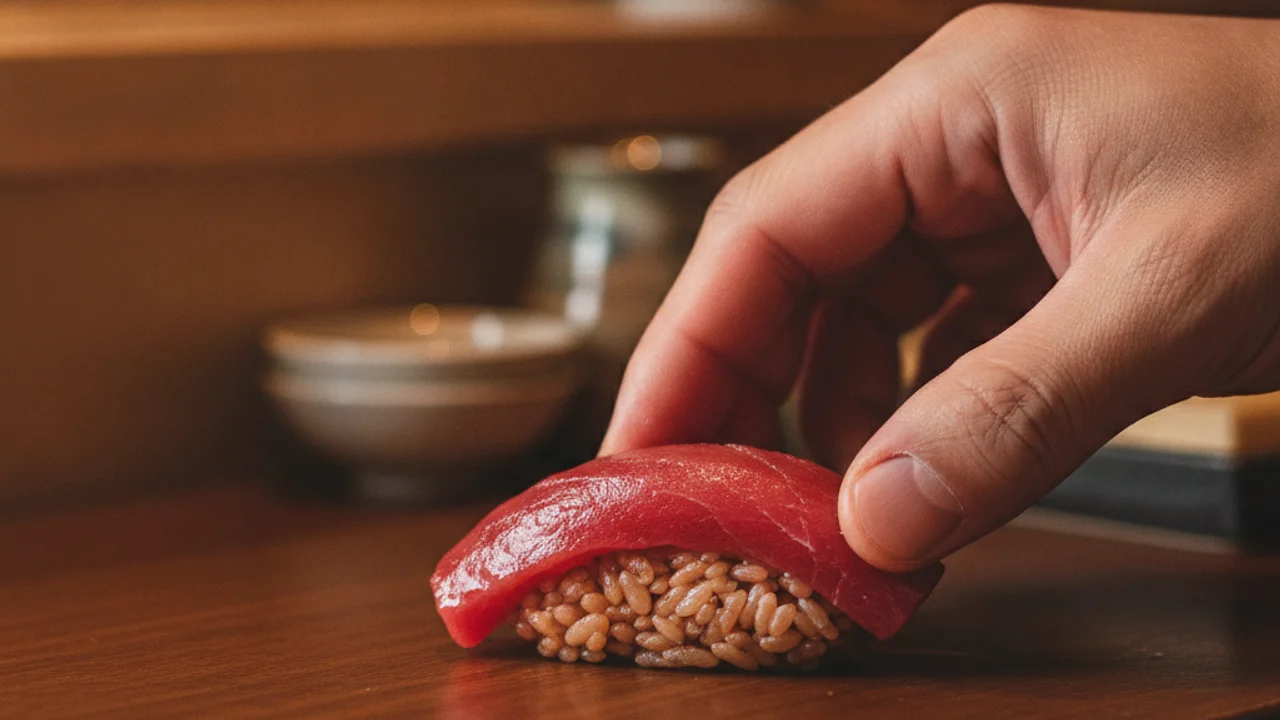
The first and most critical indicator of quality isn't the fish; it's the rice. A true sushi master will tell you that 70% of a great sushi piece is the shari. Forget cold, dense, bland blocks of rice. Perfect sushi rice should be served at body temperature, meaning it's slightly warm. This subtle warmth helps to release the aromas of the fish it carries.
You should be able to distinguish individual grains. The texture is key: neither mushy nor dry. The seasoning is just as crucial, a delicate balance of rice vinegar, sugar, and salt that should enhance the flavor, never overpower it. If the rice is cold, hard, or tasteless, you're not in the right place.
Edomae Sushi: A Tradition Born in Edo-Era TokyoThe Fish (Neta): Freshness and the Art of the Cut
Of course, the quality of the fish, or neta, is fundamental. Freshness is the baseline. Quality fish should never smell 'fishy'. It should have a clean, oceanic scent, almost neutral. Its color should be vibrant, and its texture should be firm yet melt in your mouth. Mushy or discolored fish is a bad sign.
But freshness alone isn't enough. The cut is a direct reflection of the chef's skill. Different types of fish require specific cutting techniques to optimize their texture and flavor. A clean, precise cut made with a specialized knife (yanagiba) is the hallmark of a true craftsman. Some fish, like tuna, even benefit from a controlled aging process to deepen their flavors, an advanced technique found only in serious establishments.
The Supporting Cast: Real Wasabi and Soy Sauce
The condiments can give away mediocre sushi. The bright green paste commonly served as wasabi is rarely the real thing. It's typically a mixture of horseradish, mustard, and green food coloring. Real wasabi, or hon-wasabi, is a freshly grated root. Its color is a more muted green, its texture is slightly grainy, and its heat is more complex and fleeting.
A great chef will often apply the perfect amount of wasabi between the rice and the fish for you. Likewise, soy sauce should be used sparingly. Lightly dip the fish side, never the rice side, which would absorb too much sauce and fall apart. A quality restaurant will offer high-grade, properly brewed soy sauce.
Finding True Edomae Sushi in Montreal: The Aji Bar ExperienceOverall Harmony and the Omakase Experience
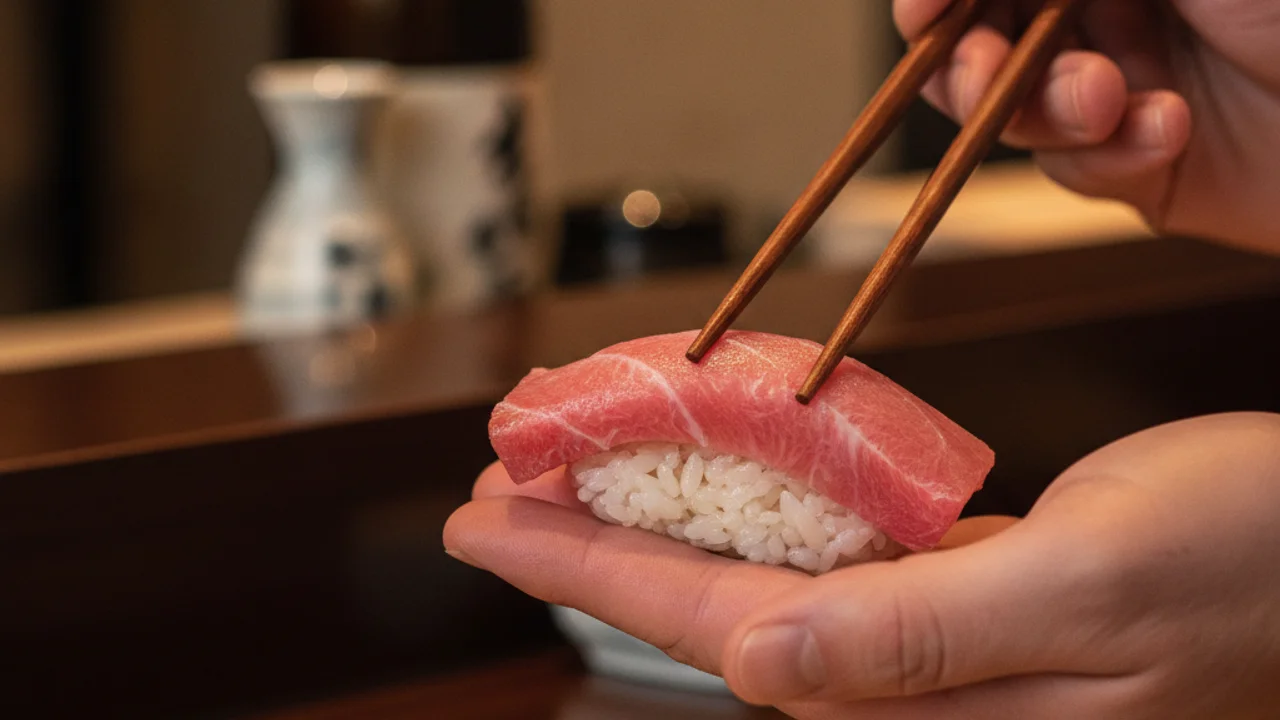
Great sushi is all about balance. The fish-to-rice ratio must be perfect. The piece should hold together when you pick it up with chopsticks (or your fingers, which is perfectly traditional), yet fall apart gently in your mouth. This harmony of textures, temperatures, and flavors is what creates a memorable experience.
To experience this at its peak, nothing beats omakase. The term means 'I'll leave it up to you,' and it involves giving the chef free rein to serve you the best of what's available that day. It's an expression of trust that allows you to taste the pinnacle of the chef's craft. Taking a seat at the counter at Aji Bar for Chef Yamamoto's omakase is to embark on an authentic culinary journey.
Red Flags: How to Spot Mediocre Sushi
To sum up, here are a few warning signs: an enormous menu (a sign of frozen ingredients), pre-made sushi sitting in a display case, cold and hard rice, a strong fishy smell in the restaurant, and the overuse of sauces (spicy mayo, unagi sauce) to mask the poor quality of the ingredients. Good sushi needs no disguise.
- 1The rice is more important than the fish: look for perfect texture and body temperature.
- 2Fresh fish is non-negotiable: it should never smell 'fishy'.
- 3Details matter: real wasabi and high-quality soy sauce elevate the experience.
- 4The chef's skill is paramount, from the knife work to the balance of flavors.
- 5Trust the Omakase experience to taste the very best a restaurant has to offer.