The question of freshness is at the very heart of the art of sushi. A successful sushi experience begins and ends with impeccably high-quality fish. But how can you distinguish exceptional fish from what's merely acceptable? As passionate advocates of Japanese cuisine, and drawing on the expertise of our Chef Yamamoto at Aji Bar Sushi & Izakaya, we're sharing the secrets to never getting it wrong again.
In Montreal, sushi culture is thriving, and knowing how to recognize quality is a valuable skill. These tips will serve you well whether you're dining out or venturing into making sushi at home. Let's dive in.
- Address
- 929 Saint-Zotique St E, Montreal, QC H2S 1M9
- Neighborhood
- Rosemont-La Petite-Patrie
- Feature
- Bring Your Own Wine (BYOB)
- Chef
- Chef Yamamoto
- Phone
- 514 272 2929
The Visual Test: What to Look For
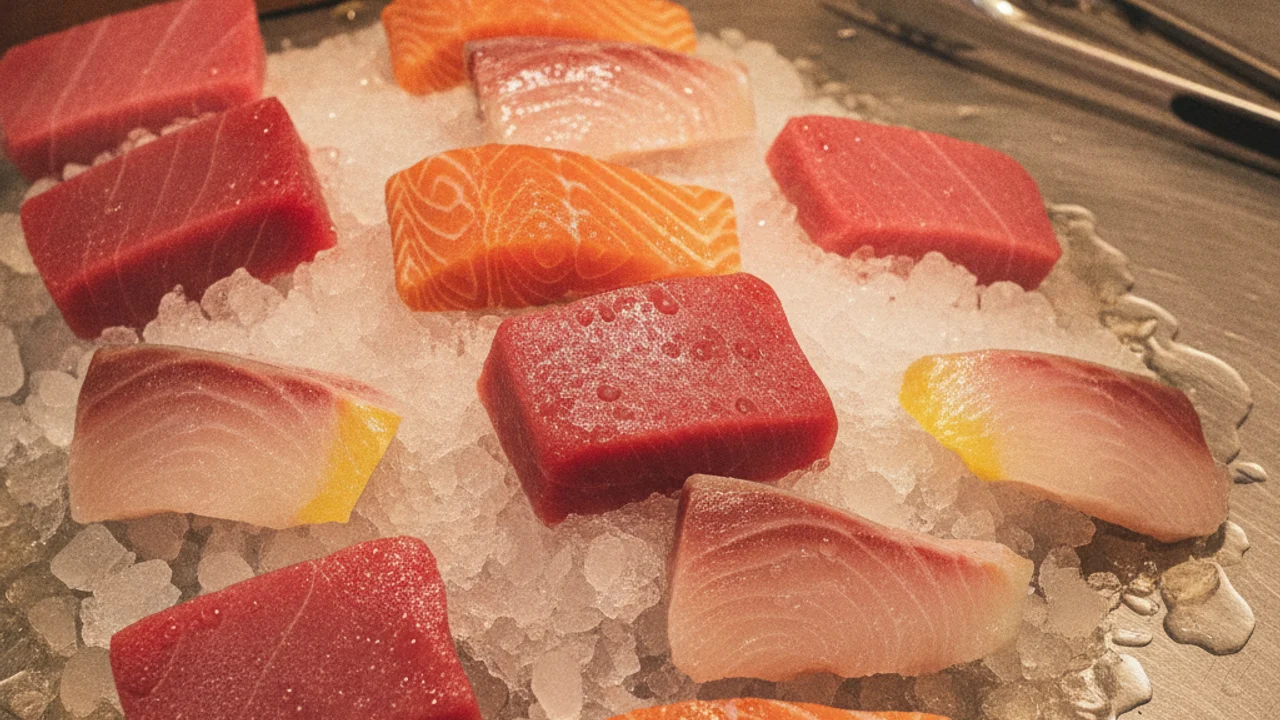
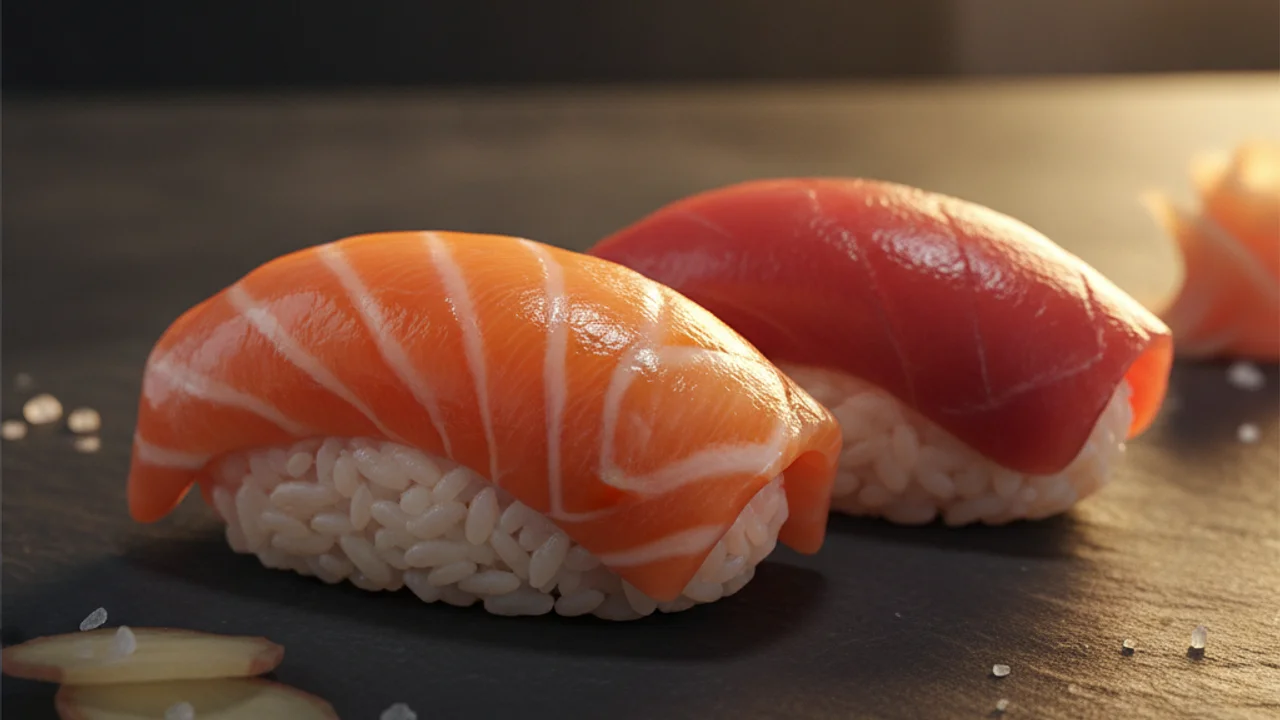
The first contact with fish is visual. Even before you smell or taste it, its appearance speaks volumes. A slice of sushi-grade fish should look glossy, almost moist, and have a certain translucence. The color should be vibrant and uniform. For example, high-quality bluefin tuna will display a deep, rich red, while salmon should be a vivid orange with well-defined fat lines.
If you have the chance to see the whole fish, the indicators are even clearer. The eyes should be plump, clear, and bright, never cloudy or sunken. The gills, if visible, should be bright red, a sign of good oxygenation and, therefore, freshness. Flesh that looks dry, dull, or discolored at the edges is a major red flag.
Bluefin vs. Yellowfin Tuna: What's the Difference?The Smell Test: Your Nose Knows Best
Contrary to popular belief, fresh fish doesn't smell 'fishy.' A strong, unpleasant 'fishy' odor is actually a sign that decomposition has begun. Sushi-grade fish should have a very subtle, clean, and marine scent. It should smell of the ocean, of brine, like a sea breeze, but never of fish itself.
This is one of the most reliable tests. If you walk into a sushi restaurant and a strong fish odor hangs in the air, it's rarely a good sign. At Aji Bar, we pride ourselves on a neutral environment where only the delicate aroma of vinegared rice and fresh ingredients prevails.
The Touch Test: The Texture of Freshness
Texture is the third pillar of assessment. The flesh of a fresh fish should be firm and elastic. If you were to gently press a finger on the fillet, the flesh should spring back to its original shape almost instantly. Flesh that holds an indentation, or feels soft or mushy, indicates the fish is past its prime.
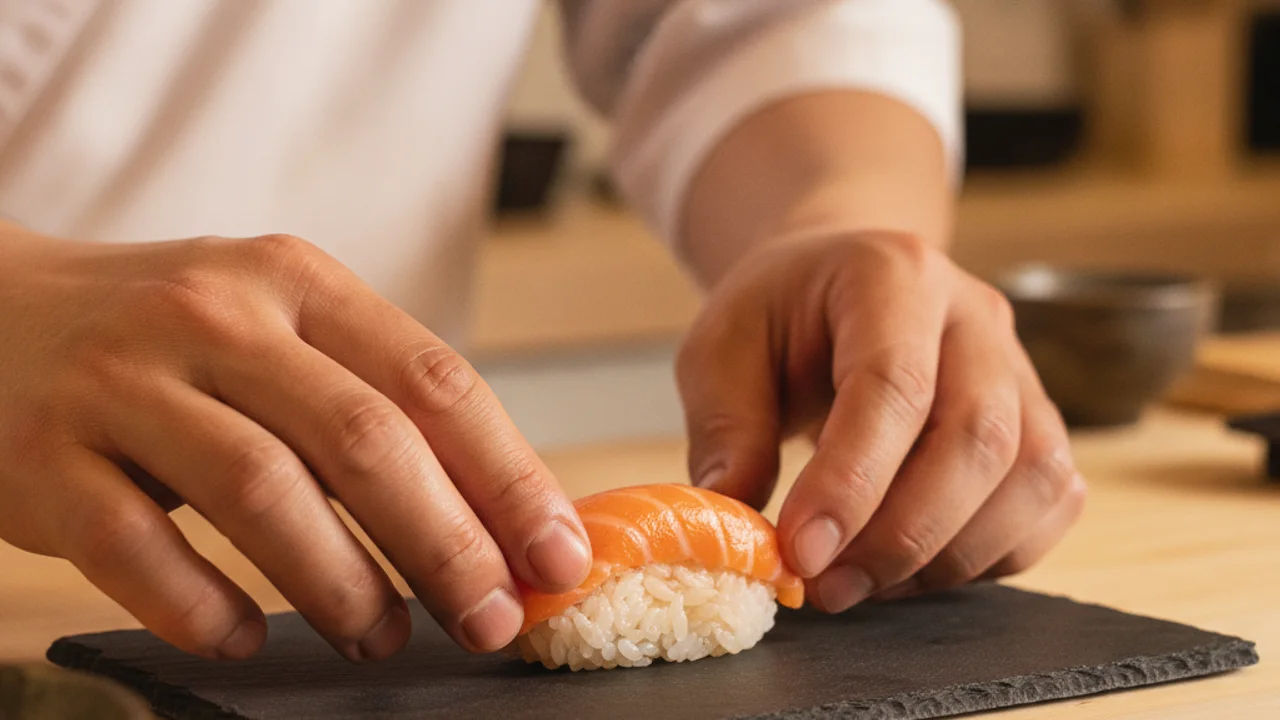
In the mouth, this firmness translates to a pleasant mouthfeel. The fish shouldn't fall apart or be stringy. It should melt on your tongue while retaining a certain structure. It's this delicate balance that sushi masters like Chef Yamamoto strive to achieve with every single piece they serve.
Farmed or Wild Salmon for Sushi: Which Is Best?The Sushi Chef's Role: Trust Above All
Beyond your own senses, the best indicator of quality is the trust you place in your restaurant and its chef. A true sushi master maintains close relationships with their suppliers. They know which fish to choose, at what time of year, and how to store it optimally.
This expertise doesn't stop at selection. The cutting technique, the aging process (for certain fish like tuna to develop flavor), and the presentation are all crucial steps that enhance the product's quality. This is the expertise that separates a simple meal from a true culinary experience, which is what we aim to provide every night at 929 St-Zotique East.
- 1Trust your senses: appearance, smell, and texture are the best indicators of freshness.
- 2High-quality fresh fish smells like the ocean or brine, never a strong 'fishy' odor.
- 3The flesh should be firm, glossy, and spring back when touched.
- 4Trust in your sushi chef and restaurant is crucial; their expertise guarantees quality.
- 5Flash-freezing is a safe and common method to ensure the quality and safety of sushi fish.
To experience absolute freshness for yourself, book your table at Aji Bar Sushi & Izakaya and let Chef Yamamoto be your guide.
Réserver une table