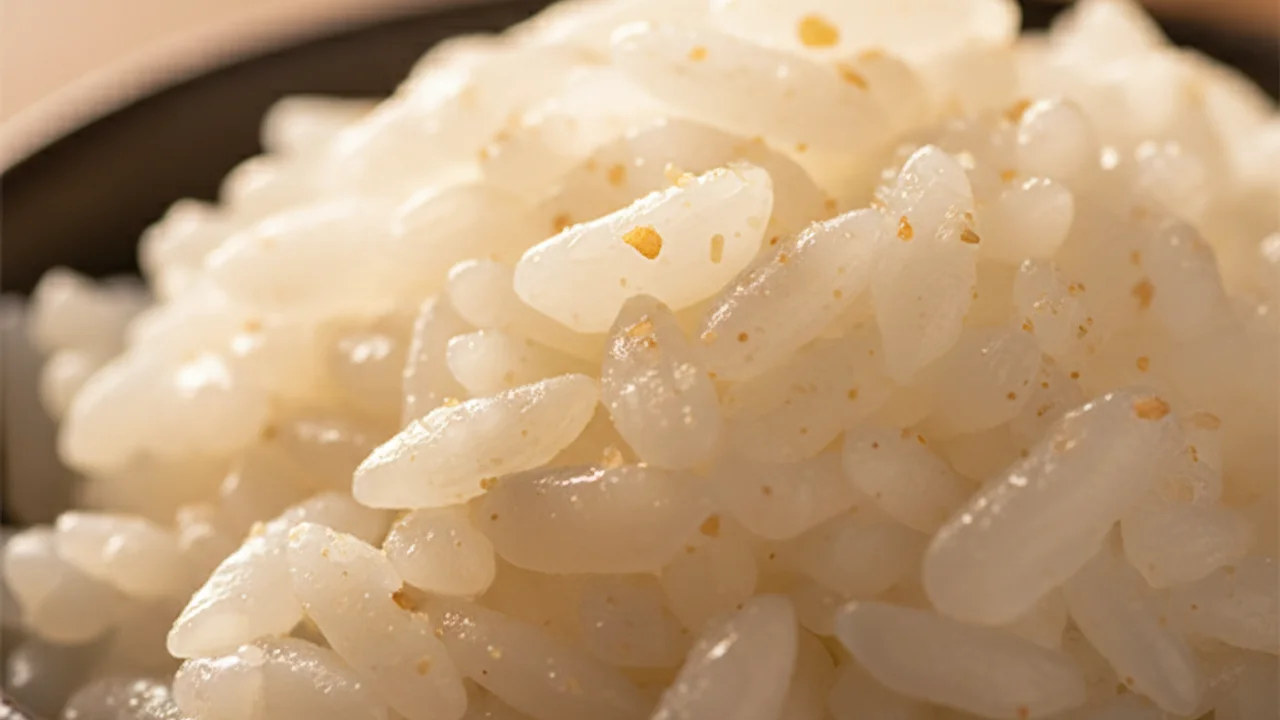
People often talk about the cut of the fish or the choice of pieces, rarely about their temperature. Yet it is one of the details that separates an ordinary nigiri from a true one. The warmth of the rice and the freshness of the fish form a precise balance, judged to the degree.
A Contrast of Temperature
Nigiri is not a cold dish. The rice is served warm, the fish stays fresh: between the two, a slight contrast. That gap is not trivial. It melts the rice in the mouth, wakes the scent of the vinegar, and brings out the texture of the flesh laid on top.
A fully cold nigiri, rice included, loses that tension. The rice hardens, its aromas go to sleep, and the bite turns flat. The temperature contrast is therefore part of the taste, on par with the seasoning.
Hito-Hada: the Warmth of the Skin
The Japanese have a word for this warmth: hito-hada, literally the warmth of human skin, around 36 to 37 degrees. It is the ideal temperature of the rice at the moment of shaping the nigiri. The chef judges it by hand, by habit, without a thermometer.
Keeping the rice at hito-hada takes attention throughout service. Too hot, it cooks the fish from below; too cold, it hardens. The rice is kept in a fitting vessel, the ohitsu, which holds it at the right temperature without drying it out.
Sushi rice, the shariWhy rice is the foundation of edomae sushi.Why the Rice Is Not Cold
Warm rice is more supple and more fragrant. The warmth softens the grains, releases the aroma of the vinegar, and lets the rice come apart gently in the mouth, almost at the same time as the fish. It is this simultaneous melting that gives a good nigiri its unity.
Chilled, the rice contracts and hardens. The grains tighten, the aroma goes out, and the bite splits into two distinct blocks. Warmth, then, is not a comfort: it is a technical condition of taste.
Eat It the Moment It Is Set Down
A nigiri shaped at the counter is at its peak in the seconds that follow. Past that moment, the rice cools, the fish warms, and the intended contrast fades. That is why, at the counter, the chef serves piece by piece: he gives you the nigiri at the exact moment it should be eaten.
Counter Service
At the four-seat counter, piece-by-piece service takes on its full meaning. The chef adjusts the temperature of each nigiri, sometimes tempers a fish rather than serving it ice-cold, and gives it to you at the right moment. That dialogue, impossible to reproduce on a plate prepared in advance, is the heart of the edomae experience.
What does the word hito-hada describe for sushi rice?
- 1Nigiri rests on a contrast: warm rice, fresh fish.
- 2The ideal warmth of the rice is hito-hada, the warmth of the skin.
- 3Warm rice is more supple and aromatic than cold rice.
- 4Nigiri is eaten the moment it is set down, before the contrast fades.
- 5Piece-by-piece counter service gives each piece at the right moment.
Temperature is an invisible detail and yet a decisive one. Warm rice, fresh fish, a piece eaten in the moment: that is what makes a nigiri stay in your memory. Come check for yourself at the counter.
Book your seat at the counter and taste nigiri at the right moment.
Reserve online