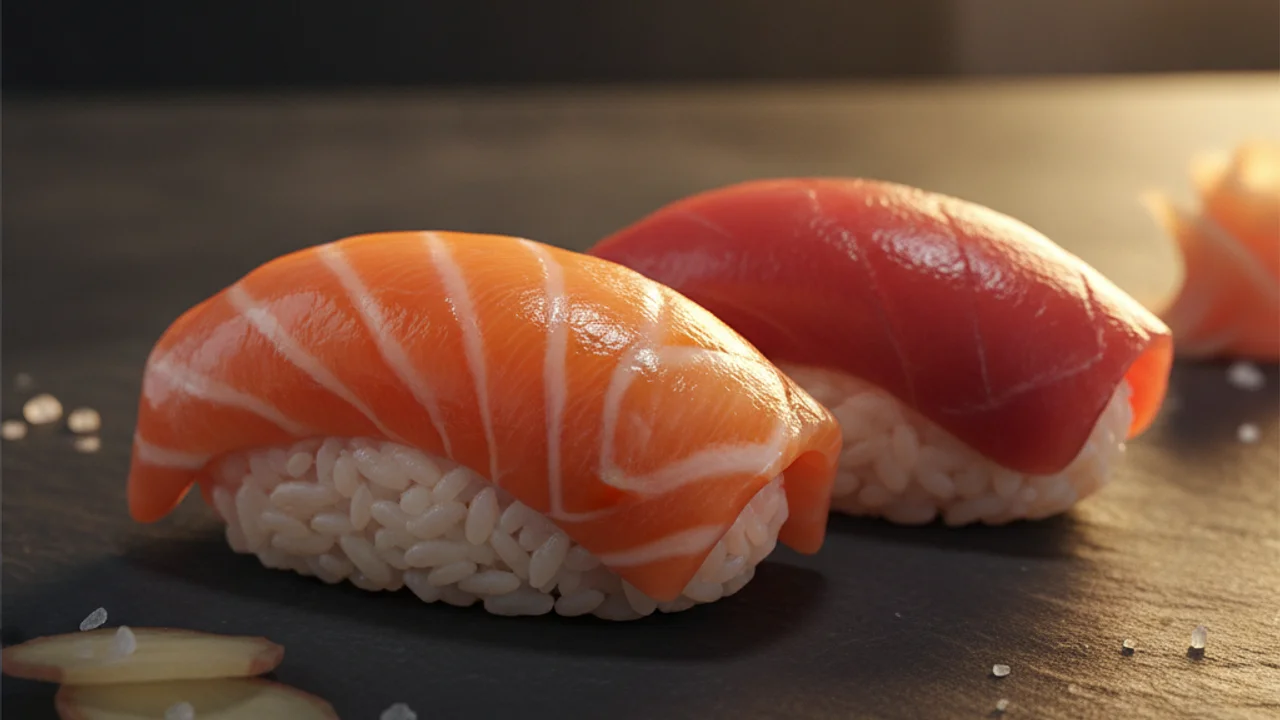
At the heart of the sushi philosophy is a fundamental Japanese concept: 'shun' (旬). This is the idea that every ingredient has a peak season, a specific time of year when it is at its absolute best in terms of flavor, texture, and nutritional value. For a sushi master like Chef Yamamoto of our restaurant, Aji Bar in Montreal's Rosemont neighborhood, serving 'shun' fish isn't an option: it's a promise.
But how do you navigate this marine culinary calendar? When is tuna most flavorful and sea bream most delicate? This guide will walk you through everything about the seasonality of sushi fish, so your next experience, whether with us or elsewhere, is an unforgettable one.
- Restaurant
- Aji Bar Sushi & Izakaya MTL
- Address
- 929 Saint-Zotique St E, Montreal, QC H2S 1M9
- Phone
- 514 272 2929
- Neighborhood
- Rosemont-La Petite-Patrie
- Policy
- Bring Your Own Wine (BYOB)
- Specialty
- Chef Yamamoto's Omakase based on seasonal arrivals
Shun: Why Does Seasonality Matter So Much?
The concept of 'shun' goes beyond mere availability. It's about the moment a fish is most delicious. Typically, this corresponds to the period before spawning, when the fish stores fat for energy. This higher fat content translates to a richer, more complex flavor and a melt-in-your-mouth texture. It's the difference between a good piece of sushi and an exceptional one.
Respecting 'shun' is also an act of respecting nature. It promotes more sustainable fishing by avoiding critical spawning seasons. At Aji Bar, our menu is constantly evolving to reflect the daily catch and what nature has best to offer at any given time.
Bluefin vs. Yellowfin Tuna: What's the Difference?Winter: The Reigning Season of Fatty Fish
Winter (December to February) is often considered the best season for sushi. The cold waters cause fish to develop an insulating layer of fat, making them incredibly flavorful.
This is the perfect time to enjoy fatty tuna, or 'toro'. Pacific bluefin tuna ('hon-maguro') is particularly prized. Japanese amberjack or yellowtail ('buri') is another must-try. As winter progresses, 'buri' gets fattier and is called 'kan-buri' (winter yellowtail), a true delicacy. Flounder ('hirame') and squid ('ika') are also excellent during this period.
Spring: Freshness and Delicacy
In spring (March to May), the flavors become more subtle and delicate. This is the season for Japanese sea bream ('madai'), a white-fleshed fish highly valued for its clean flavor and firm texture. It's often called the 'king of white fish'.
It's also the time to enjoy 'sayori' (Japanese halfbeak), recognizable by its sleek, silver appearance, and the first bonito of the season ('hatsu-gatsuo'), which has a fresher, less fatty flavor than its autumn counterpart.
Farmed or Wild Salmon for Sushi: Which Is Best?Summer: Bright and Light Flavors
Summer (June to August) brings a host of fish perfect for warmer days. Japanese sea bass ('suzuki') is at its best, with a clean, white flesh. It's also the season for 'aji' (horse mackerel), the namesake of our restaurant. Its flavor is rich yet elegant, not overly 'fishy'.
Freshwater eel ('unagi'), often grilled and served as nigiri, is a traditional summer treat in Japan, believed to provide stamina during the heat.
Autumn: The Richness of the Harvest
In autumn (September to November), fish begin to fatten up again for the winter, and their flavors intensify. The 'katsuo' (bonito) returns as 'modori-gatsuo', now much fattier and richer than its spring version. This is also the season for 'sanma' (pacific saury), a silver fish often served slightly seared to bring out its flavorful oils.
Salmon ('sake') is also traditionally associated with autumn, when wild salmon swim upriver to spawn. Although farmed salmon is available year-round, wild autumn salmon has an unparalleled flavor.
Beyond the Season: The Chef's Expertise
Knowing the seasons is one thing, but the true art lies in the chef's skill. An experienced chef like Yamamoto knows not only which fish is in season, but also where it came from and how to prepare it to elevate its taste. Techniques like 'kobujime' (curing between sheets of kombu seaweed) or dry-aging can transform a fish's texture and flavor profile.
The next time you sit down at a sushi counter, whether it's at Aji Bar in Rosemont-La Petite-Patrie or elsewhere, don't hesitate to ask, 'What's shun today?'. It's the start of a conversation that could lead to the best bite of your life. And remember to bring your favorite bottle, as we are a Bring Your Own Wine (BYOB) establishment!
- 1The Japanese concept of 'shun' refers to an ingredient's peak season, ensuring optimal flavor and texture.
- 2Winter is the prime season for rich, fatty fish like tuna ('toro') and yellowtail ('buri').
- 3Summer offers lighter, more refreshing fish such as Japanese sea bass ('suzuki') and horse mackerel ('aji').
- 4Farmed salmon is available year-round, but wild salmon has a distinct seasonality in summer and autumn.
- 5The best way to experience seasonal fish is to trust the chef and choose the 'Omakase' option.